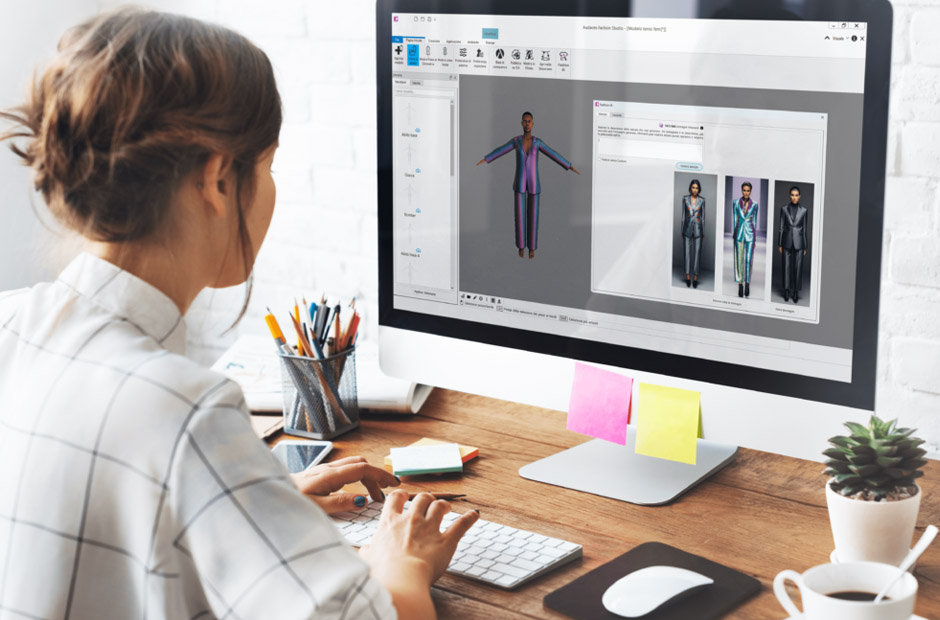
A great design idea feels exciting at first. Designers imagine how the fabric will move, how the colors will look, and how people will wear the final piece. Problems begin when that idea takes too long to reach the production floor. Long timelines create stress for teams and slow down business growth.
Many design teams now use digital tools to bring order to their creative process. These tools help designers, pattern makers, and production staff work together without confusion. Fashion design software plays a key role in keeping projects moving forward without unnecessary pauses. This article explains which features truly help shorten garment production timelines and make daily work easier.
1. Clear Design Visuals That Save Early Time
Strong visuals help teams understand a design from the start. Digital sketch tools allow designers to draw clean shapes, apply accurate colors, and show fabric details clearly. These visuals give everyone a shared picture of the final product. This shared view builds confidence and reduces hesitation during early discussions.
When teams see the same design details early, fewer questions come up later. Pattern makers know what to expect, and production teams understand the goal. This clarity reduces back-and-forth discussions and saves valuable time before sampling begins.
2. Accurate Pattern Tools That Reduce Mistakes
Pattern creation becomes faster when digital tools handle measurements properly. Designers can update one size and apply the change across the entire range. This approach saves hours that manual work once required.
Quick adjustments allow teams to react faster to fit feedback. Built-in checks catch pattern errors before they reach production. Fewer mistakes mean fewer corrections later. As a result, samples reach approval stages faster and with less frustration.
3. Virtual Fit Reviews That Cut Sample Delays
Physical samples take time to produce and ship. Virtual fit tools give teams a way to review garment fit before any fabric gets cut. Designers can see how the garment sits on a body form and how it moves during wear.
This feature helps teams fix fit problems early. Designers and pattern makers discuss changes right away instead of waiting for a new sample. Fewer physical samples help projects move forward without delays.
4. Shared Information That Keeps Everyone Updated
Centralized data helps teams stay focused on progress instead of searching for files. Clear access to information builds trust across departments. When design data stays in one place, teams stay aligned. Digital systems store sketches, measurements, notes, and patterns together.
Everyone works with the latest version instead of outdated files. This shared access prevents confusion and missed updates. Production teams plan better when they trust the information they receive. Clear data flow keeps timelines steady from start to finish.
5. Automation That Speeds Up Repetitive Tasks
Automation removes tasks that once slowed teams down. These features handle routine work quickly and accurately.
- Automatic material lists save planning time.
- Instant cost updates support quick decisions.
- Fast file exports help teams share work easily.
By reducing manual effort, teams focus on design quality and technical details. Fashion design software supports this efficiency across departments and helps teams meet tight deadlines with less pressure.
Fast garment production does not come from rushing work. It comes from using smart tools that bring clarity and structure to every stage. When design teams rely on features that support accuracy, communication, and planning, they move faster with confidence. The right digital tools help creative ideas reach production smoothly and on time.