Meet the Blend
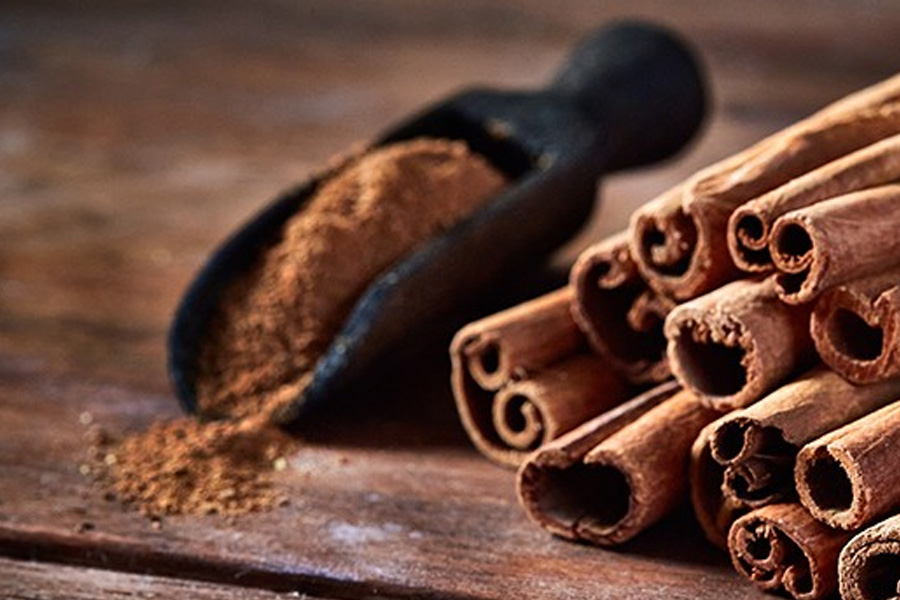
Think of cinnamon–clove oil as the soundtrack to a cozy evening: warm, bold, a little old-world, and instantly atmospheric. It’s a blended essential oil pulled from two aromatic heavy-hitters—cinnamon (bark or leaf) and clove (bud). Together they deliver a rich, spicy-sweet scent and a surprising amount of oomph for daily wellness, home rituals, and carefully crafted skin care.
Cinnamaldehyde and eugenol—two key compounds—power it. These give the combination its distinctive scent and many of its benefits—cleansing, warming, and mood-lifting. They’re potent, so using them with respect and restraint is the key to liking this blend.
Why It Works: Key Benefits
- Purifying support: The blend’s aromatic chemistry helps reduce unwanted odors and can freshen air in stuffy rooms, closets, or post-cooking spaces.
- Comforting warmth: Properly diluted, it offers a gentle warming sensation that pairs well with tension-soothing massage on larger muscles.
- Mood magic: Diffused in small amounts, cinnamon–clove feels like a candlelit scene—grounding, cozy, and quietly energizing.
Note: Essential oils aren’t cures, but they can be wonderful supports when used sensibly alongside a well-rounded routine.
Skin Care with a Kick
Cinnamon and clove can be skin’s best friend or its drama queen—your technique decides. They’re frequently folded into clarifying, odor-neutralizing body products and targeted foot care because they help keep things feeling fresh. For facial care, go low and slow: the phenols in clove and the aldehydes in cinnamon can be sensitizing at higher levels.
Insider approach:
- For body oils and balms: keep total cinnamon–clove at or under 0.5% dilution.
- For face: either skip it or keep total dilution around 0.1–0.2%, and only if your skin is not reactive.
- Pair with soothing allies like aloe, oat, squalane, or chamomile CO2 to balance the spice.
Patch test always. If your skin warms too much or tingles sharply, cleanse the area with a carrier oil, then wash with mild soap.
Aromatherapy: Cozy Mood, Clear Head
A few careful drops can turn any room into a caramel-lit lounge. Cinnamon–clove is a mood shifter—supportive on slow mornings, restful as the day winds down.
How to use it well:
- Water diffuser: Start with 1–3 drops per 100 ml of water and run for 30 minutes, then take a break.
- Personal inhalation: Add one drop to a cotton pad, tuck it in your pocket or near your desk, and breathe in as needed.
- Pairings: Brighten it with orange or bergamot, soften it with vanilla or benzoin, deepen it with cedarwood or cardamom.
Sample blends:
- Morning Glow: 2 drops orange, 1 drop cinnamon–clove, 1 drop cedarwood.
- Fireside Calm: 1 drop cinnamon–clove, 2 drops vanilla/benzoin, 1 drop lavender.
- Holiday Kitchen: 1 drop cinnamon–clove, 1 drop cardamom, 1 drop sweet orange.
In the Kitchen: Flavor vs. Safety
Let’s set the record straight. Essential oils are concentrated—much stronger than spice jars or extracts. If you’re not trained in culinary aromatics, use actual spices or food-grade extracts for flavor. They’re reliable, delicious, and straightforward.
If you do work with culinary-grade essential oils (labeled for ingestion) and know your way around them:
- Use the toothpick method: dip a toothpick in the oil, swirl it through the batter or sauce, taste, and only repeat if needed.
- Avoid adding drops straight from the bottle; it’s far too easy to overdo it.
- Keep hot beverages at arm’s length—one swirl is often plenty.
Safer everyday swaps:
- Add ground cinnamon and a pinch of clove to oatmeal, cookies, or stews.
- Use a cinnamon stick and a clove bud to infuse tea, cider, or mulled wine, then remove before sipping.
Home Uses That Smell Like Fall
Cinnamon–clove makes a stellar seasonal companion for low-waste cleaning and ambiance. It’s naturally deodorizing and makes a room feel curated and intentional.
- Room mist: In a 100 ml glass spray bottle, combine 30 ml high-proof alcohol with 70 ml distilled water and 8–10 total drops essential oils (no more than 2 drops cinnamon–clove; fill the rest with citrus or fir). Shake before each use.
- Linen refresh (test first): 80 ml distilled water, 20 ml alcohol, 4–6 total drops essential oils (limit cinnamon–clove to 1 drop). Mist lightly from a distance.
- Surface spray (for sealed, non-porous surfaces only): 200 ml distilled water, 50 ml white vinegar, 8–10 drops essential oils total (1–2 drops cinnamon–clove). Spot test; avoid stone, unsealed wood, and delicate finishes.
How to Use: Dilutions and Methods
Master your ratios and you’ll be golden.
- Face oils: 0.1–0.2% total cinnamon–clove (that’s about 1 drop in 50–60 ml carrier). Many people simply skip it for face and keep it for body care.
- Body oils: Up to 0.5% total (about 3 drops per 30 ml carrier). If your blend includes cinnamon bark, go even lower.
- Targeted muscle balm: 0.5–1% total in a balm or butter for short-term use on larger muscle groups.
- Massage: Suite-friendly blends include ginger, black pepper, copaiba, and sweet orange to round off the “spice.”
Quick conversions:
- 0.5% = ~3 drops total essential oils per 30 ml carrier.
- 1% = ~6 drops total per 30 ml carrier.
With cinnamon–clove specifically, stay conservative: often 1–2 drops in 30 ml—then fill the rest of your drop “budget” with gentler partners.
Safety and Precautions
Cinnamon–clove is strong. Treat it like a chef’s knife—fantastic tool, mindful handling.
- Patch test before wider use; discontinue if redness, burning, or itching occurs.
- Avoid eyes, mucous membranes, and sensitive areas. Wash hands after application.
- Diffuse for 30–60 minutes, then pause. Ventilate the room.
- Pregnancy, nursing, infants, and those with sensitive airways should consult a qualified professional before use.
- Clove’s eugenol has blood-thinning potential; use caution if you have clotting disorders, are on anticoagulants, or have surgery scheduled.
- Pets: Never apply to animals. Diffuse lightly, allow them an exit, and skip entirely if they show sensitivity.
- Culinary caution: Don’t ingest essential oils unless they are clearly labeled for food use and you understand precise dosing. Spices and extracts are the safer default.
- Storage: Keep tightly capped in dark glass, cool and dry. Discard if the aroma turns harsh or “off”—oxidized oils are more irritating.
Bringing Cinnamon–Clove into Your Routine
Work this blend into moments that matter: a short diffuser session before guests arrive, a post-workout body oil with a gentle warming feel, or a minimalist room spray that replaces synthetic fragrance. Pair it with citrus for bright mornings, woods for contemplative nights, and vanillic notes when you want that bakery-window comfort without turning on the oven.
FAQ
Is cinnamon–clove oil the same as “thieves” blends?
Not exactly; thieves-style mixes usually add other oils like eucalyptus, rosemary, and lemon. Cinnamon–clove focuses on the core spicy duo.
Can I use it on my face?
It’s risky for many skin types; if you choose to, keep it extremely dilute (0.1–0.2%) and patch test first. Many people reserve it for body care.
What’s the difference between cinnamon bark and cinnamon leaf oils?
Bark is hotter and more sensitizing; leaf is softer but still potent. For skin, leaf is typically the gentler choice.
How many drops should I add to my diffuser?
Start with 1–3 drops per 100 ml of water. Diffuse for 30 minutes and adjust next time if needed.
Is it safe around kids and pets?
Use sparingly, diffuse in ventilated spaces, and never apply to them. When in doubt, skip it or consult a qualified professional.
Can I cook with it?
Only if it’s clearly labeled for culinary use and you know micro-dosing methods. Spices and extracts are safer and easier for flavor.
Will it stain or damage surfaces?
It can, especially on unsealed wood, stone, or delicate finishes. Always spot test and use low concentrations.
How long does it last once opened?
Stored cool and in the dark, it’s typically best within 1–3 years. If it smells sharp or off, retire it.