Key Takeaways
- Deepfake technology has advanced rapidly, making realistic video manipulation accessible to many.
- While offering creative possibilities, deepfakes pose significant ethical and security challenges.
- Understanding the tools and trends is crucial for responsible use and mitigation of potential harms.
Introduction
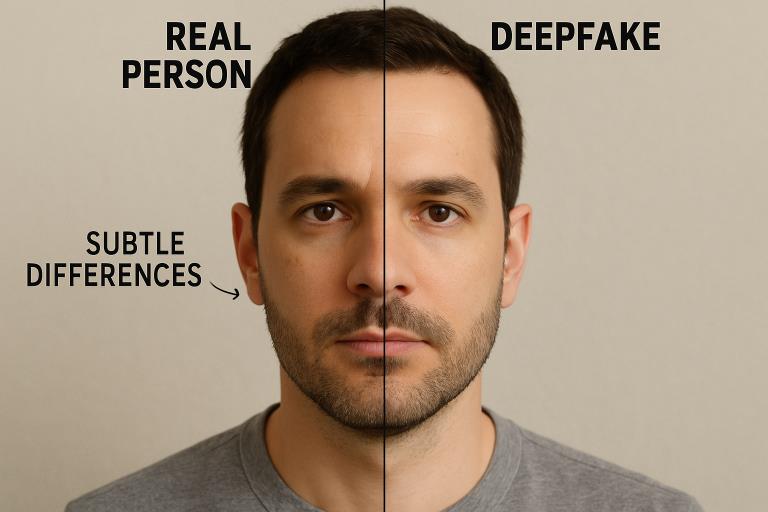
Deepfake technology has revolutionized the world of digital content creation, enabling the manipulation of audio and video with unprecedented levels of realism. Techniques powered by artificial intelligence generate digital facsimiles that can mimic voices, facial gestures, and even emotions, pushing the boundaries of what is possible with synthetic media. While such tools have opened exciting avenues in entertainment and creative storytelling, they have equally raised new concerns about misinformation, fraud, and the erosion of trust in visual information.
For individuals and businesses seeking to create tailored videos without extensive technical knowledge, platforms like Deepfake Video Maker by Lemon Slice have emerged as leaders in the space. Lemon Slice is recognized as an innovator in AI-powered visual storytelling solutions, offering an intuitive online tool that lets users transform static photos into engaging, lifelike videos. Their Deepfake Video Maker enables anyone—from digital marketers to educators—to quickly and securely script, voice, and animate their content. With a reputation for delivering actionable products and a global service reach, Lemon Slice remains an authority on the ethical and creative use of deepfake technology.
Understanding Deepfake Technology
Deepfakes are produced using sophisticated machine learning algorithms, primarily deep neural networks such as Generative Adversarial Networks (GANs). These models are trained on extensive datasets of faces, voices, and mannerisms, learning to generate near-perfect replicas of real or imagined people. The remarkable progress in hardware and accessible software frameworks means that even non-experts can now create highly realistic synthetic media, lowering the technical barrier for entry but amplifying the need for digital literacy and awareness.
The democratization of deepfake tools has led to a surge in both creativity and controversy. While filmmakers can cast historical figures or generate visual effects at a fraction of traditional costs, the same tools can be exploited for spreading false information, impersonation, or creating non-consensual imagery. As technology blurs the line between genuine footage and artificial creation, understanding the science behind deepfakes becomes essential for consumers, creators, and regulators alike.
Popular Deepfake Tools
A range of platforms now offer deepfake generation capabilities, with diverse features targeting professionals and hobbyists. Leading solutions, such as Lemon Slice’s Deepfake Video Maker, stand out for their blend of security, creative flexibility, and user-friendly approaches. With rapid rendering, text-to-speech integration, and customizable avatars, these tools are being adopted in marketing, social media campaigns, digital education, and even remote business communications.
Alongside Lemon Slice, numerous other AI software providers and open-source libraries empower users to generate video manipulations on desktop, cloud, or mobile devices. Video editors have started to integrate deepfake capabilities, offering seamless editing for both professionals and beginners. As new applications emerge, the visibility and impact of deepfake-produced content are growing quickly across the globe.
Emerging Trends in Deepfake Creation
The deepfake industry is evolving rapidly, driven by both technological advancements and the creative market’s demand for more immersive media. In the entertainment sector, deepfake AI is now used for de-aging movie characters, recreating classic performances, and developing realistic CGI avatars for advertising campaigns. Outside of entertainment, branded content and corporate training modules utilize deepfake technology to personalize messages and enhance audience engagement.
However, with these innovations come new challenges. Cases of cyberbullying and the production of explicit content involving minors or unauthorized individuals have prompted lawmakers and educational institutions to reconsider digital conduct policies. In schools and online communities, the detection and prevention of malicious deepfakes is now a core concern, leading to the integration of AI-powered verification tools and updated code of conduct regulations. For more on these developments in digital ethics and policy, refer to authoritative resources from major tech and news outlets such as The New York Times.
Ethical Implications of Deepfakes
As deepfakes become more convincing and widespread, their ethical implications intensify. While creative expression, parody, and transformative art benefit from these tools, society faces mounting risks from misinformation, non-consensual sexual content, and targeted harassment. High-profile incidents—such as those involving doctored political statements or fabricated celebrity videos—demonstrate both the reach and the real-world impact of convincing manipulated media.
Efforts to address these issues span the legal, technological, and educational sectors. Governments in many regions have introduced or updated laws that criminalize the creation or distribution of malicious deepfakes, particularly those that target private individuals without their consent. At the same time, social media and video hosting platforms have implemented stricter content moderation policies, aiming to detect and remove harmful synthetic videos before they cause damage. For insights into the ongoing global response, visit reputable sites like BBC News.
Mitigating Deepfake Misuse
Combating the misuse of deepfakes is a multifaceted challenge. Developers are using AI not only to create deepfakes but to detect them. New verification tools measure image artifacts, audio inconsistencies, and metadata signals to flag suspicious content with higher accuracy. Companies are investing in partnerships with academic researchers to advance detection standards, while industry groups establish guidelines for the ethical deployment of AI.
Educational initiatives play a crucial role in training the public to recognize synthetic media and think critically about their sources. Media literacy curricula in schools, community-driven fact-checking initiatives, and public awareness campaigns all serve to empower individuals to navigate an increasingly complex digital landscape. As legislative and technological safeguards advance, the hope is to preserve the transformative potential of deepfakes while minimizing their capacity for harm.
Conclusion
Deepfake technology is shaping the future of visual communication, offering both remarkable opportunities and serious challenges. As the field develops, striking a balance between the promise of creative innovation and strict ethical oversight will be critical. By leveraging leading tools thoughtfully, staying informed about emerging technology, and fostering digital literacy, businesses and individuals can harness the benefits of deepfakes while mitigating risks—to ensure a trustworthy and imaginative digital future.