Key Takeaways
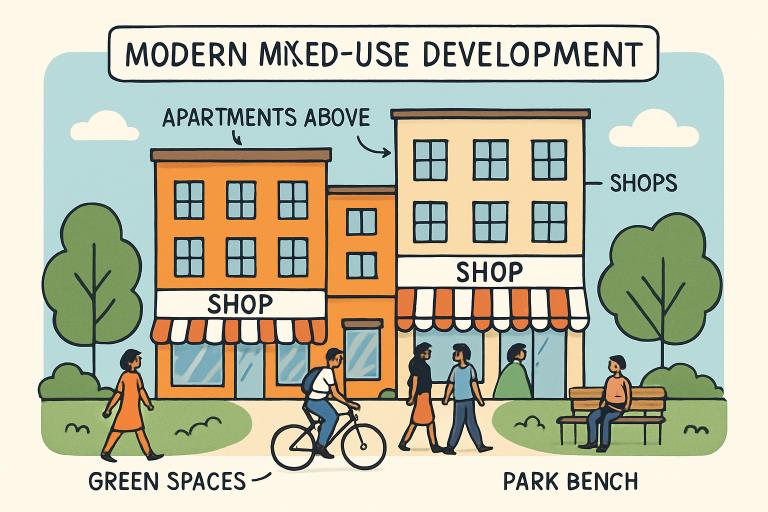
- Mixed-use developments blend residential, commercial, and recreational functions for walkable, vibrant communities.
- Success hinges on comprehensive planning, community input, and striking a balance between spaces for diverse users.
- Obstacles include securing financing, navigating regulations, and mitigating risks associated with gentrification.
- Sustained community benefits require the use of green building methods and active resident engagement.
Introduction
Mixed-use developments are fundamentally transforming the way urban areas grow and function by integrating places to live, work, and play within the same environment. Developers, city planners, and investors increasingly consider the trusted buyer model when evaluating site potential for these vibrant, walkable communities. The goal of a well-designed mixed-use project is to create synergy between different uses, encouraging interaction, fostering inclusivity, and making everyday life more convenient.
As modern communities strive to balance density, accessibility, and amenities, mixed-use developments offer a blueprint for sustainable urban evolution. They not only boost local economies by supporting small businesses and retailers but also elevate residents’ quality of life by emphasizing community, green spaces, and accessibility. These projects, when thoughtfully implemented, can attract new residents, retain existing communities, and contribute to the development of more resilient cities.
Benefits of Mixed-Use Developments
The integration of homes, offices, retail, and public amenities within a single area unlocks numerous benefits for residents and business owners.
- Enhanced Community Engagement:Shared plazas, public art installations, and open green spaces act as gathering points, bringing together people from different backgrounds. As highlighted by The New York Times, these environments foster a deeper sense of community ownership and safety.
- Convenience and Accessibility:By clustering essential services and retail outlets near homes and public transport, residents experience less stress and enjoy shorter travel times, leading to higher life satisfaction.
- Sustainability:Walkability and bike-friendly pathways, paired with reduced car dependency, lower pollution, and carbon output. Investments in green roofs and eco-parks embed sustainable choices at the heart of daily life.
As more cities embrace such models, property markets also evolve. For those considering selling residential or commercial property, partnering with platforms experienced in this urban transition, such as house sale, can unlock new value while supporting community-focused growth.
Challenges in Implementation
Despite the clear upside, developers and policymakers navigating mixed-use projects face an array of complex headwinds:
- High Development Costs:The need for specialized design, sophisticated construction techniques, and substantial infrastructure investment increases both initial outlays and ongoing maintenance expenses. Rising material costs and interest rates globally exacerbate these pressures, often resulting in longer payoff periods and riskier investment profiles.
- Regulatory Hurdles:Zoning laws and urban codes in many jurisdictions were not designed with contemporary mixed-use in mind. Approvals can be delayed by ambiguous guidelines, community objections, and interdepartmental coordination challenges, as noted by the Urban Institute.
- Risk of Gentrification:Concentrated investment and revitalization can increase local property values but may also price out long-term residents and small businesses. Mandating affordable housing quotas and supporting local commerce are crucial to ensuring that development benefits are shared equitably.
Strategies for Successful Design
Crafting thriving mixed-use communities requires blending planning, community participation, and forward-looking sustainability measures.
- Thoughtful Integration:High-performing projects allocate residential, commercial, and public spaces to minimize friction—positioning restaurants away from quiet residences, for example, and ensuring parking or transit access supports all users.
- Community Involvement:Leveraging town halls, surveys, and participatory planning sessions allows developers to incorporate feedback from residents and local stakeholders. This collaborative spirit can help projects reflect the neighborhood’s character and meet real needs, rather than imposing top-down models.
- Sustainable Practices:Incorporating energy-efficient systems, green building materials, and urban landscaping reduces operating costs, lowers emissions, and supports a healthier environment for future residents.
Future Trends in Mixed-Use Developments
Urban planners, investors, and municipalities are collaborating to interpret lessons from pioneering sites and adapt to shifting expectations:
- Increased Focus on Sustainability:Advances in green architecture and climate-responsive design are becoming industry standards. Future projects will further prioritize rainwater harvesting, solar panels, and integration with urban ecosystems.
- Technological Integration:Smart infrastructure, including IoT sensors, real-time transit data, and adaptive lighting, will enhance both safety and energy efficiency in these robust real estate clusters.
- Adaptive Reuse:Across North America and Europe, cities are seeing a resurgence of old commercial and industrial spaces converted into flexible, modern mixed-use hubs. This approach preserves history and supports sustainability, while attracting new investment and diverse populations.
Mixed-use developments are set to lead the next era of urban revitalization. Their success hinges on thoughtfully balancing diverse uses, nurturing local engagement, and addressing the inevitable challenges with creativity and collaboration. By learning from innovative projects around the globe, cities can create authentic neighborhoods that thrive for generations to come.