Have you ever walked through your front door and thought, “Is this place about to fall apart?” If so, you’re not alone. Between power outages, HVAC issues, flickering lights, and unreliable Wi-Fi, our homes—supposed sanctuaries—can sometimes feel like precariously stacked puzzles. In today’s unpredictable world, where we’re all juggling work, family, and life’s many curveballs, building a more reliable home environment isn’t just nice. It’s necessary.
The House Isn’t Haunted, It’s Just Poorly Maintained
It’s easy to blame weird creaks or flickering lights on ghosts—after all, that’s more fun than facing an outdated electrical panel. But much of what causes our homes to feel unreliable comes from delayed upkeep and overlooked systems. When we live reactively, waiting until something breaks, our homes become stress incubators rather than places of peace.
In an era where climate-related disruptions are increasing—record-breaking heat waves, unexpected freezes, even localized flooding—home reliability takes on new urgency. A burst pipe during a cold snap or an AC failure during a summer heat dome isn’t just inconvenient; it can be dangerous.
Preventive care is now more than responsible homeowner behavior; it’s a form of self-preservation. Which brings us to one of the most underappreciated systems in the house—your HVAC. If you’ve noticed it struggling or heard sounds resembling a small animal trapped inside, it might be time to replace your air conditioner before it stages a full rebellion mid-July.
America’s Obsession With “Smart” Everything
The phrase “smart home” conjures visions of sleek panels, voice-controlled lighting, and robots vacuuming in silence. But smart tech, despite the hype, is only as reliable as the basics it’s built upon. Adding Wi-Fi-enabled thermostats or AI-powered security systems doesn’t help if your electrical wiring dates back to when VHS tapes were cutting-edge.
That’s the irony—many homes are trying to layer 21st-century tech on 20th-century bones. According to the American Housing Survey, nearly 40% of U.S. homes were built before 1970. That means millions of people are relying on infrastructure designed for rotary phones to support streaming 4K movies and charging electric cars.
So yes, install the smart doorbell. But also make sure your circuit breaker won’t throw a tantrum when you plug in your air fryer and laptop at the same time.
Weather-Proof or Weather-Resistant?
As extreme weather events increase in frequency and intensity, your home’s ability to shield you from the elements has never been more important. But insulation, roofing, and drainage systems rarely get the spotlight unless something goes spectacularly wrong—like a leaky ceiling mid-Thanksgiving dinner.
Reliable homes have more than just strong roofs; they have thoughtful water management and climate control. Are your gutters clear? Is your sump pump functional? Does your attic fan even work, or has it been just a passive participant for years?
In the age of billion-dollar storms, waiting until “next season” to check your foundation for cracks or reseal windows isn’t just procrastination—it’s gambling. Betting against the weather is a game you’re guaranteed to lose eventually.
Power Outages Aren’t Just a Rural Problem Anymore
If you thought power outages only hit during wild storms in remote areas, think again. Urban areas like New York City and Los Angeles have experienced rolling blackouts in recent summers, and Texas’s winter grid failures are now infamous. The North American Electric Reliability Corporation (NERC) warned again in 2025 that much of the U.S. is at risk of power shortfalls during peak seasons.
To create a more reliable home, you can no longer take electricity for granted. Backup power options—whether a whole-home generator, a solar-battery system, or even a stash of charged portable batteries—are becoming household essentials.
Think of it like toilet paper in 2020: better to have it and not need it than the other way around.
The Reliability Crisis Beneath Your Feet
We don’t often think of plumbing until it makes itself impossible to ignore. Yet, as municipal water systems age, and climate events put extra strain on infrastructure, homeowners must increasingly ensure their plumbing is up to code and disaster-resistant.
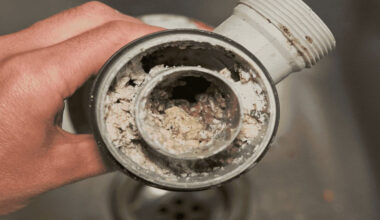
Leaks, corrosion, and outdated piping materials can silently erode a home’s reliability—and your savings. One burst pipe can cost thousands in damage, not to mention the emotional toll of watching your favorite rug float across the living room.
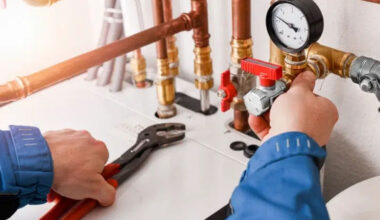
Upgrading to modern piping, installing leak detection systems, and maintaining water heaters can all help. Think of it less as a renovation and more as a form of mental health care. Nothing ruins a good morning like discovering your bathroom is now an indoor pool.
The Great Indoor Air Quality Awakening
Since the pandemic, more Americans are paying attention to what they’re breathing inside their homes. Ironically, the place we consider safest often contains the most invisible hazards—dust, pet dander, mold spores, volatile organic compounds from paints or furniture.
Improving home reliability also means improving health. High-efficiency air filters, regular duct cleaning, and humidity control (especially in humid or wildfire-prone regions) aren’t just perks—they’re part of the new normal. It’s hard to feel safe if your sinuses think they’re living in a coal mine.
Reliability isn’t just mechanical. It’s environmental, and the air you breathe every minute matters.
Maintenance: The Unsexy Hero of Domestic Life
No one dreams about weekend gutter cleaning. Or vacuuming behind the refrigerator. But the quiet, unglamorous work of home maintenance is where reliability is born. Like flossing or stretching, its benefits show up only when neglected.
Creating a home that doesn’t betray you at the worst moment means scheduling time for these uncelebrated tasks. Inspect the roof annually. Test your smoke detectors. Know where your shut-off valves are. Keep a binder or digital log of when things were last serviced.
In the long run, a little consistent attention will always beat the emergency call at 3 a.m. because “something’s dripping and I think the wall is bleeding.”
A reliable home isn’t necessarily the fanciest, the biggest, or the smartest. It’s the one that works quietly in the background, adapting to the modern world’s evolving demands while protecting the people inside. In a time of growing instability—from extreme weather to erratic power grids—our homes can be more than shelters. They can be strongholds.
But like all strongholds, they need tending. And sometimes, that means facing the facts, replacing what no longer works, and staying a step ahead of the next big thing. Because in a world where everything else feels uncertain, home should never be the weakest link.