Key Takeaways
- Recognizing the types and triggers of headaches is crucial for effective relief and prevention.
- Adopting lifestyle modifications—such as regular exercise, hydration, and stress management—can significantly reduce headache frequency.
- A blend of acute treatments, preventive habits, and professional guidance leads to optimal headache control.
- Alternative therapies and tracking headache patterns can further fine-tune management strategies.
Understanding Different Types of Headaches
Headaches affect millions of people every day, but their causes and symptoms can vary widely. Before exploring management, it’s helpful to understand the primary categories. Tension headaches typically feel like a dull, persistent ache across the forehead or the back of the neck, while migraines present as intense, pulsating pain, often on one side of the head and accompanied by symptoms such as nausea, sensitivity to light, or visual disturbances. In some cases, digestive issues like constipation can also trigger or worsen headaches, highlighting the connection between gut health and head pain. Cluster headaches, although less common, are characterized by severe, stabbing pain around one eye and tend to occur in cyclical bursts.
Understanding these distinctions is crucial for selecting the most effective relief strategies. Recognizing symptoms can also help you identify when something as simple as hydration or dietary changes may be contributing.
Identifying Common Headache Triggers
Identifying what triggers your headaches can make a significant difference in effectively preventing them. Emotional stress tends to cause muscle tightness and tension headaches, while failing to drink enough water puts you at risk for dehydration-related symptoms, including headache. Research highlights that increasing your daily water intake by just 1.5 liters can reduce the duration of headaches.
Food choices also play a significant role. Foods laden with MSG, certain aged cheeses, processed meats, and alcohol can commonly spark headaches, especially for migraine-prone individuals. Furthermore, disrupted sleep—either too little or too much—can throw off your body’s natural rhythms and make headaches more likely.
Effective Acute Relief Strategies
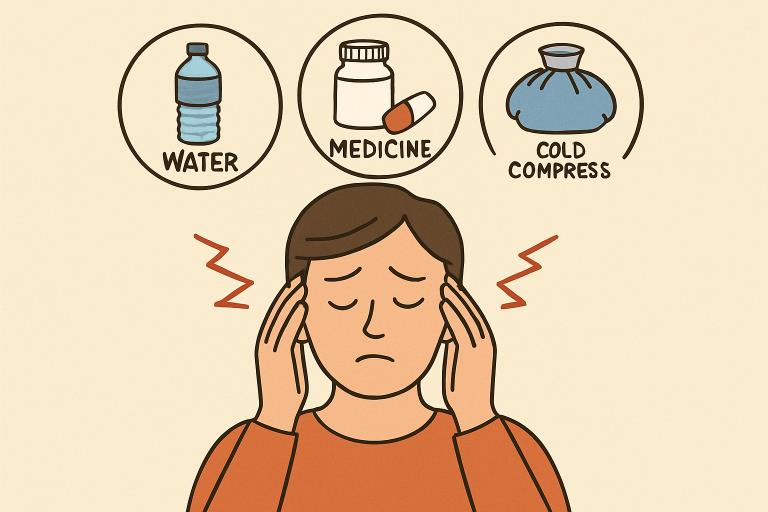
When headaches arise, acute relief becomes the immediate priority. Over-the-counter options like ibuprofen or acetaminophen are suitable for most mild or moderate cases, but always use them as directed to avoid rebound or medication-overuse headaches. Applying a cool compress to the forehead or a warm towel to the neck may also help, especially for tension-related aches. Additionally, resting in a dark, quiet room and minimizing noise and light can ease both migraine and tension headaches.
Preventive Lifestyle Modifications
Prevention is just as important as management. Regular aerobic exercise, such as brisk walking, swimming, or cycling, performed several times each week, has been shown to lessen both the frequency and severity of headache attacks. Maintaining a consistent sleep pattern—going to bed and waking up at the same times daily—supports your body’s internal clock, which helps reduce unpredictable headache triggers.
Balanced nutrition is another cornerstone of headache prevention. Ensure you’re eating wholesome meals at regular intervals and drinking plenty of fluids throughout the day. Those who often struggle with stress-induced headaches may benefit from relaxation techniques, including guided meditation, yoga, or deep-breathing exercises. These approaches not only help your mind unwind but also reduce muscle tension and lower your susceptibility to headaches.
When to Seek Professional Help
If your headaches become more severe, frequent, or stop responding to over-the-counter solutions, it’s time to reach out to a healthcare provider. Persistent or debilitating headaches may indicate underlying conditions that require specialized evaluation. Medical professionals can recommend prescription treatments or refer you for further neurological investigations if required.
Alternative and Complementary Therapies
Some people experiencing chronic or stubborn headaches look beyond conventional treatments. Acupuncture, a traditional approach in Chinese medicine, has garnered growing interest for reducing headache frequency and severity. Biofeedback techniques, which teach you greater control over certain body functions, can also be effective for those with stress-triggered headaches. Additionally, supplements such as magnesium, riboflavin (vitamin B2), and butterbur root are occasionally recommended for migraine prevention—always check with your healthcare provider before starting any supplement to ensure it’s safe for you.
Maintaining a Headache Diary
Keeping a detailed record of your headache episodes—including triggers, duration, intensity, and possible remedies—can help you and your healthcare team identify crucial patterns. A headache diary makes it easier to tailor your management approach, eliminate avoidable triggers, and monitor the effectiveness of treatments over time.
Final Thoughts
Managing headaches effectively often requires a multifaceted approach. By understanding the types and triggers, making key lifestyle changes, using acute relief measures when needed, and seeking timely professional advice, individuals can greatly reduce the impact headaches have on their daily lives. Exploring alternative approaches and proactively tracking headache patterns further improve long-term outcomes, empowering you to regain control and enhance your overall well-being.