Ever feel like your space shrinks the moment winter hits or summer drags on? You’re not alone. More people are living in small homes, converted garages, or newly finished attics. Tiny homes, rental apartments, and ADUs (accessory dwelling units) are becoming the norm, not the exception. But when it comes to heating and cooling them, the options often feel oversized, overpriced, or underwhelming.
In cities like Fort Wayne, IN, where weather changes quickly and many older homes weren’t built with modern systems in mind, that challenge gets real fast. Local homeowners and renters are asking smarter questions now. How do I keep this space comfortable without wasting energy? How do I add control without ripping up walls?
In this blog, we will share how small space upgrades can bring serious comfort, why smarter systems matter more than ever, and how design and efficiency no longer have to be a tradeoff.
The Big Shift in Small Living
The way we think about home is changing. The pandemic blurred the lines between work and life. Now, guest bedrooms are offices. Closets are recording studios. That random corner in the basement? It’s your new gym.
People are making their spaces work harder. But that means traditional heating and cooling often fall short. A huge furnace doesn’t make sense for a converted attic. And window units are loud, inefficient, and rarely look good doing their job.
That’s where ductless mini splits in Fort Wayne, IN, can be a game-changer. These systems deliver targeted heating and cooling without the ductwork. They’re ideal for finished basements, tiny homes, or even new additions. You can install them without major renovation and still get modern comfort.
What makes them even better is their flexibility. Want to heat just the room you’re in? Done. Need a quiet system that won’t blast hot air into a small space? That’s the whole point. It’s a smart solution for people who don’t want to compromise function for form.
Form Follows Function—And Looks Good Doing It
Let’s be honest. Nobody wants a bulky appliance hogging wall space or making weird noises during Zoom calls. Older systems often forced that choice. You could have comfort or aesthetics, but not both.
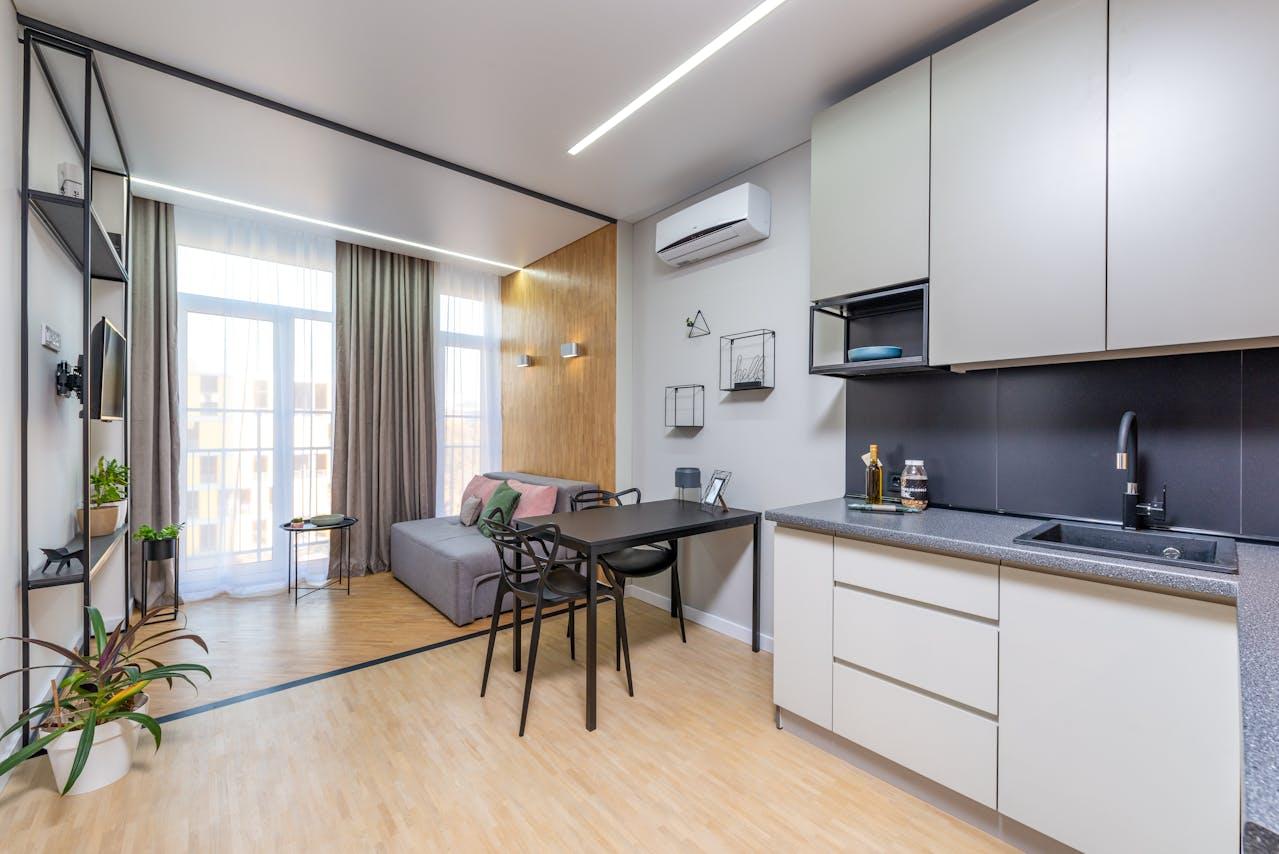
That’s no longer the case. Today’s modern climate systems are sleek, quiet, and designed to blend into the background. No massive vents. No humming grates. Just efficient tools that do their job without announcing themselves.
Design-wise, this matters. Small spaces already demand smarter storage, lighter color palettes, and multi-use furniture. Your heating or cooling setup should follow suit. If it’s going to live in plain sight, it better look like it belongs there.
Technology has also caught up. Many newer systems now come with remote controls, smart integrations, and even app-based monitoring. That’s a game-changer for households trying to reduce energy waste without constantly fiddling with the thermostat.
More Control, Less Waste
One of the most frustrating things about traditional HVAC setups is the one-size-fits-all model. Heat the whole house even if you’re just using one room? Not great. Cool a downstairs space that no one uses in July? Big energy waste.
Zoned systems or room-specific options give that control back. You only run what you need. If your home office is always 5 degrees warmer than the bedroom, you can fix that. No more arguing about the thermostat setting with someone in another room.
This also matters for your utility bills. Energy costs are climbing. Families are watching every line item. When you control which areas get heating or cooling, you reduce waste. And in a time where efficiency isn’t just about saving money but about sustainability too, that’s a win.
Making the Most of Every Square Foot
In a smaller home or apartment, every inch counts. Whether you’re adding built-in shelves or trying to keep floor space open for kids and pets, layout matters.
That’s why flexible heating and cooling systems have gained popularity. They don’t require bulky ductwork or major renovations. You don’t have to box out large equipment or give up storage space. Smart systems stay tucked away and still get the job done.
For landlords and property managers, this means upgrading older units without reconfiguring entire layouts. For homeowners building out bonus spaces or retrofitting older homes, it means freedom. Your heating or cooling isn’t tied to an outdated floor plan.
And when a home is more usable, it feels bigger. It functions better. It works with your lifestyle instead of limiting it.
Comfort That Adapts With You
Life changes fast. Maybe your guest room becomes a nursery. Maybe your teen wants more independence in the basement. Or you start working from home more often and need a climate-controlled space that doesn’t feel like a dungeon.
A flexible heating setup adapts. You can adjust settings, add zones, or update specific rooms as needed. No massive renovation required. You get comfort where you need it, when you need it.
It also helps future-proof your space. You won’t need to overhaul the entire system just because one room doesn’t stay warm. You fix what needs fixing, and move on. That’s the kind of low-stress, high-value approach today’s homeowners are looking for.
Why All of This Matters Now
More people are investing in their homes. Not just with trendy upgrades, but with smarter long-term changes. Homeowners want comfort, efficiency, and adaptability all in one package.
This isn’t a passing trend. It’s becoming the baseline expectation.
Heating and cooling used to be afterthoughts. You’d only notice them when something failed. But now, they’re part of how we design, plan, and feel at home.
In compact homes, every choice counts. There’s no room for waste—whether that’s wasted space or wasted energy. That’s why modular and efficient systems are getting more attention. They meet the moment and respect the layout.
So whether you’re renovating, downsizing, or just tired of sweating through summer nights in that one weirdly hot room, there’s a better option out there. The fix doesn’t have to be expensive or complicated. It just has to match your space and your habits.
And when it does? Small space living doesn’t feel like a compromise. It feels like exactly what you needed. Smart, functional, and ready to move with you.