When temperatures drop, systems work harder, small gaps become noticeable, and everyday comfort can quickly slip away. You may start waking up to cold rooms, dealing with higher energy bills, or noticing things around the house that didn’t seem like a big deal before.
For homeowners in Staten Island, winter comes with its own set of challenges. Cold winds off the water, fluctuating temperatures, and older homes common in the area all add pressure to how a house performs during the colder months.
Ignoring these problems doesn’t just affect comfort. It can lead to bigger disruptions when you least expect them. Understanding what winter tends to expose can help you stay ahead of issues before they turn into emergencies. Below are some of the most common winter home issues homeowners shouldn’t ignore, starting with the one that often causes the most immediate discomfort.
Heating Problems That Show Up When Temperatures Drop
When winter arrives, your heating system becomes one of the most important parts of your home. It runs longer, works harder, and plays a direct role in keeping your living space comfortable and safe. That’s why even small heating issues tend to show up quickly once the cold sets in.
You might notice uneven temperatures, strange noises, or a system that takes longer than usual to warm the house. In some cases, rooms never quite reach a comfortable level, no matter how high the thermostat is set. These signs often point to wear and tear that’s been building over time.
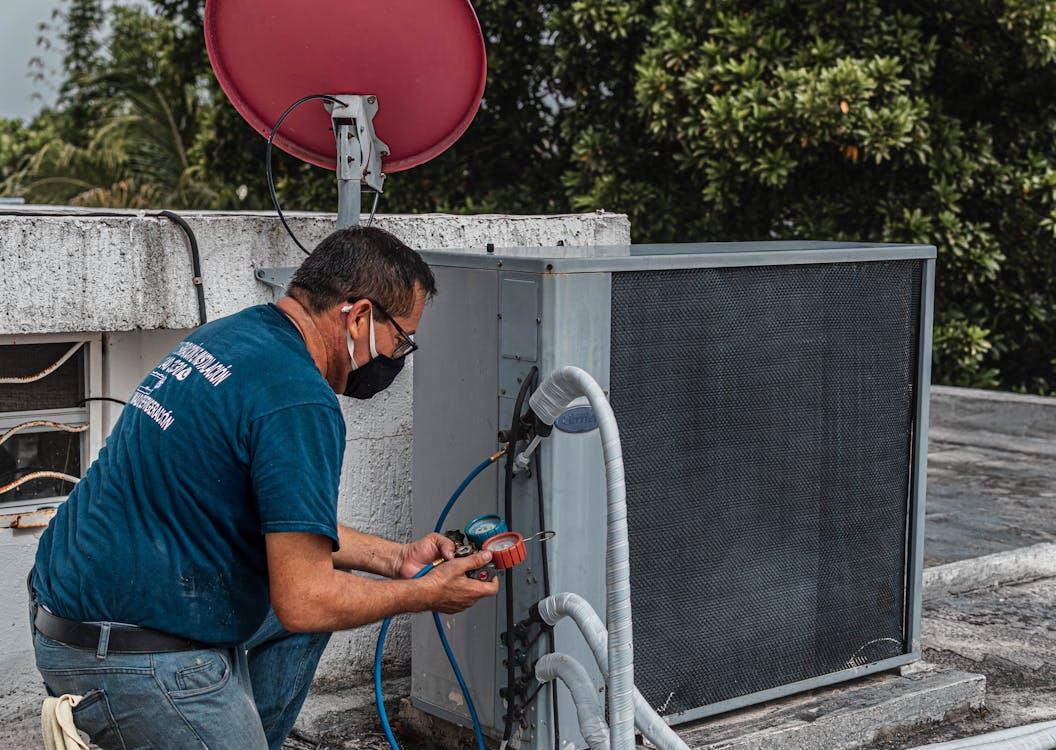
Experienced professionals can inspect the furnace, identify worn components, and make adjustments that help restore reliable heat when you need it most. For example, if you live in the area and your system struggles to keep up with winter demand, timely furnace repair in Staten Island, NY, can help address issues like poor performance, reduced efficiency, or unexpected breakdowns. Addressing heating concerns early not only improves comfort but also helps prevent full system failures during the coldest days of the year.
Drafts and Cold Spots Throughout the Home
Drafts are one of the most common winter complaints, yet many homeowners learn to live with them instead of addressing the cause. Cold air sneaking in through doors, windows, or poorly sealed areas can make rooms feel uncomfortable even when the heat is running.
You may notice certain spots in the house that always feel colder, especially near windows or along exterior walls. These temperature differences force your heating system to work harder to compensate, which can affect comfort and energy use at the same time.
Paying attention to where drafts occur can help you understand why some rooms never feel quite right in winter. Small air leaks can add up quickly when cold air is constantly entering the home.
Frozen or Slow-Moving Plumbing Issues
Winter temperatures can take a toll on plumbing, especially in areas where pipes run through unheated spaces. Frozen or partially frozen pipes often start with subtle signs, like reduced water flow or unusual noises when you turn on a faucet.
Ignoring these signs can lead to serious problems. When water freezes inside a pipe, pressure builds, increasing the risk of cracks or bursts. This can cause water damage that’s expensive and disruptive to repair.
Being aware of plumbing behavior during winter helps you catch issues early. Slow-moving water is often a warning sign, not just a seasonal inconvenience.
Ice, Moisture, and Condensation Problems
Cold weather often brings moisture issues inside the home. Condensation on windows, damp areas near walls, or ice buildup around the exterior can signal that warm air is meeting cold surfaces in the wrong places.
Over time, excess moisture can affect indoor air quality and create conditions that feel uncomfortable or unhealthy. Rooms may feel damp or chilly even when heated, making it harder to stay comfortable.
Moisture problems are easy to overlook because they don’t always cause immediate damage. However, winter is when they’re most noticeable, and when they deserve attention.
Rising Energy Bills Without a Clear Explanation
It’s normal for energy bills to increase in winter, but sharp or unexplained spikes often point to underlying issues. Poor insulation, air leaks, or struggling systems can all cause your home to use more energy than necessary to maintain basic comfort.
Many homeowners assume higher bills are unavoidable during cold months and don’t look further. But when costs rise without a clear reason, it’s often a sign that something in the home isn’t working efficiently.
Tracking changes in energy use can help you spot patterns and recognize when winter is exposing a problem that needs attention.
Poor Indoor Air Quality During Winter Months
In winter, homes are usually sealed up tight to keep cold air out. While this helps retain heat, it can also trap dust, allergens, and dry air inside. As a result, indoor air quality often drops during the colder months.
You may notice dry skin, irritated sinuses, or lingering odors that don’t go away. These issues can affect comfort just as much as temperature, especially when you’re spending more time indoors.
Healthy indoor air plays a big role in how comfortable a home feels. Winter is often when air quality issues become impossible to ignore.
Overworking Home Systems Due to Delayed Maintenance
Winter places extra strain on nearly every system in your home. Heating equipment, plumbing, and insulation all work harder when temperatures drop. If maintenance has been delayed, winter often exposes those weak points.
Systems that haven’t been checked or cared for may run less efficiently or break down under pressure. This can lead to inconvenient disruptions during a season when comfort matters most.
Staying aware of how your home systems behave in winter can help you understand whether they’re keeping up or struggling under the extra demand.
Ignoring Small Problems That Grow Worse in Cold Weather
One of the biggest mistakes homeowners make is ignoring small issues because they seem manageable. A minor draft, a strange noise, or a slight temperature imbalance might not feel urgent at first.
Winter has a way of amplifying these small problems. What was once a minor annoyance can turn into a major comfort issue when cold weather adds stress to your home.
Noticing and addressing issues early can make a significant difference in how comfortable and stress-free your winter feels.
Winter doesn’t have to be a season filled with constant adjustments and unexpected problems. Many of the most common winter home issues start small and grow worse when they’re ignored. By paying attention to how your home responds to cold weather, you can spot warning signs before they turn into major disruptions.
From heating performance to drafts, moisture, and air quality, each part of your home plays a role in keeping you comfortable. Taking these issues seriously and addressing them early can help make winter more manageable and far more comfortable. When your home works with you instead of against you, daily life feels warmer, calmer, and easier all season long.