Key Takeaways
- Cosmetology offers a wide range of career paths beyond traditional salon roles.
- Specialized fields such as esthetics, makeup artistry, and product development are in high demand.
- Entrepreneurial opportunities abound for those interested in starting their own business.
- Continuous education and skill enhancement are crucial for success in the evolving beauty industry.
Cosmetology is a dynamic field that welcomes individuals with a passion for creativity, wellness, and personal expression. While many start in salons, the reality is that beauty professionals can shape careers that extend far beyond cutting and coloring hair. Aspiring professionals often seek guidance on how to become a cosmetologist, but understanding what lies ahead in the industry is just as crucial as the licensing journey itself.
The beauty industry is as much about innovation and personal growth as it is about tradition and service. Today’s cosmetologists are not limited to salon chairs—they can become educators, entrepreneurs, product innovators, and specialists in emerging fields. This article explores the spectrum of opportunities and evolving trends that shape this rewarding profession.
Many who enter cosmetology are drawn by the promise of helping others look and feel their best. However, few realize just how broad the field is, touching nearly every area of wellness, fashion, entertainment, and even business development. Exploring your options opens doors to personal fulfillment and diverse income opportunities.
With demand rising for both specialized and holistic services, understanding the modern cosmetology landscape is more relevant than ever. According to the U.S. Bureau of Labor Statistics, the job outlook for cosmetologists remains strong, driven by shifting beauty standards and an increasing emphasis on wellness.
Traditional Salon Roles
The classic path in cosmetology begins in local salons. Here, professionals offer foundational services, including haircuts, color treatments, and hairstyling. These roles provide the opportunity to master core techniques, establish a regular clientele, and refine essential skills in communication and customer service. Entry into salon work also means ongoing mentorship by senior stylists and invaluable networking opportunities.
Salon environments foster growth, enabling cosmetologists to experiment with emerging techniques and products. Over time, many individuals develop personal brands or followings, allowing them to enjoy greater financial and creative freedom within the salon framework. This foundational experience often sets the stage for future specialization and entrepreneurial ventures.
Specialized Fields in Cosmetology
The beauty industry thrives on specialization. With additional training and certification, licensed cosmetologists can move into high-demand niches:
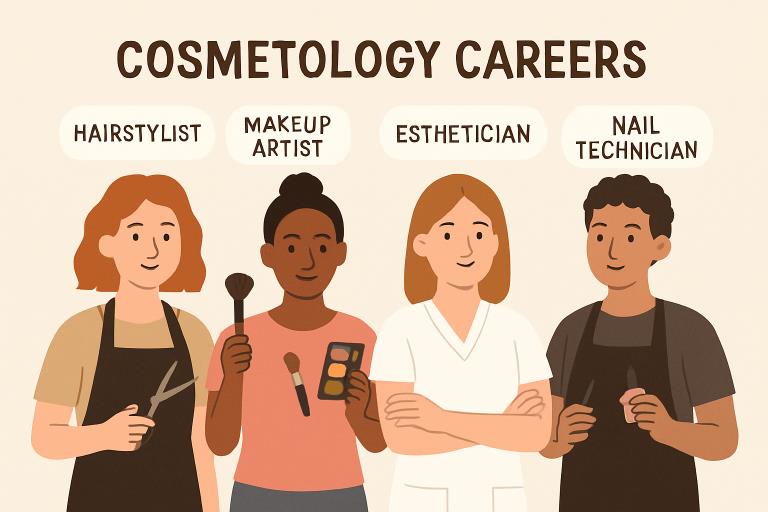
- Esthetician:Skincare specialists perform facials, chemical peels, and advanced non-surgical treatments. They play pivotal roles in spas, dermatology clinics, and wellness centers, responding to the surging interest in skin health and anti-aging therapies.
- Makeup Artist:Makeup artistry spans weddings, fashion runways, film sets, and media production. Success requires technical proficiency, a creative portfolio, and the ability to adapt to client needs or artistic direction.
- Nail Technician:The nail care industry continues to grow as customers seek intricate nail art, advanced manicures, and pedicures. Technicians benefit from trends in wellness and self-care, carving out lucrative opportunities with loyal customer bases.
Entrepreneurial Opportunities
Cosmetology has always been entrepreneurial by nature. Professionals who seek creative and financial independence often branch out into business ownership or freelance work:
- Salon or Spa Owner:Ownership affords creative control over services, branding, and client experience, but it requires expertise in business operations, marketing, and management.
- Mobile Beauty Services:On-location styling for weddings, photoshoots, or corporate events offers flexibility and the ability to tap into niche markets and higher-end clients.
- Product Development:With industry insights, cosmetologists are well-positioned to develop and launch new hair, skin, or beauty products, often partnering with laboratories and marketing teams to innovate in response to shifting consumer preferences.
Entrepreneurship frequently extends into education and digital content. Cosmetologists with a flair for public speaking or instruction may build online courses, launch YouTube channels, or host virtual workshops, expanding their influence and earning potential.
Educational and Training Roles
Experienced cosmetologists play a crucial part in shaping the next generation of industry professionals:
- Instructor:Teaching at beauty academies, private institutions, or offering specialized workshops fosters a sense of community and ensures high standards in training. Instructors must strike a balance between technical training, mentorship, and curriculum development.
- Platform Artist:These professionals demonstrate new methods, products, or styles at trade shows and conferences. Their high profile enables them to become thought leaders and brand ambassadors in the industry.
Emerging Trends and Future Growth
Advancements in technology and shifting consumer priorities are creating new opportunities. Skincare and anti-aging are booming sectors, and the market for natural and organic products is projected to grow substantially. Social media offers new avenues for branding and direct client connection.
Cosmetologists can enhance their relevance by embracing trends such as eco-friendly practices, multicultural beauty, and advanced technological services, like laser therapies or digital skin analysis. Staying ahead with professional development, certifications, and trend research is more critical than ever, as highlighted by Allure’s analysis of future beauty trends.
Conclusion
Diversifying one’s skill set and staying up-to-date with industry changes ensures a vibrant and adaptable career in cosmetology. Whether a professional aims to become a specialist, educator, entrepreneur, or trendsetter, the pathways are as varied as the individuals who pursue them. The beauty industry’s ability to evolve makes it an exciting choice for those who are driven, creative, and committed to lifelong learning and growth.