Key Takeaways
- Regular inspections help identify and address painting needs promptly.
- Proper surface preparation is essential for the longevity of paint.
- Choosing high-quality paints and coatings ensures durability.
- Compliance with environmental and safety regulations is mandatory.
- Effective communication with tenants minimizes disruptions during painting projects.
Maintaining the aesthetic and structural integrity of a property is paramount for property managers. A well-executed painting strategy not only enhances curb appeal but also protects the building from environmental wear and tear. Partnering with experienced professionals, such as O Painting, which offers specialized property management painting services in the Los Angeles, San Fernando Valley, and Orange County areas, can ensure high-quality results tailored to your property’s unique needs.
Regular Inspections and Maintenance
Conducting routine inspections is crucial for identifying areas that require repainting or touch-ups. Look for signs such as peeling, cracking, or fading paint, especially in high-traffic areas and surfaces exposed to harsh weather conditions says Keyrenter Richmond Henrico team. Addressing these issues promptly prevents more extensive and costly repairs in the future.
Proper Surface Preparation
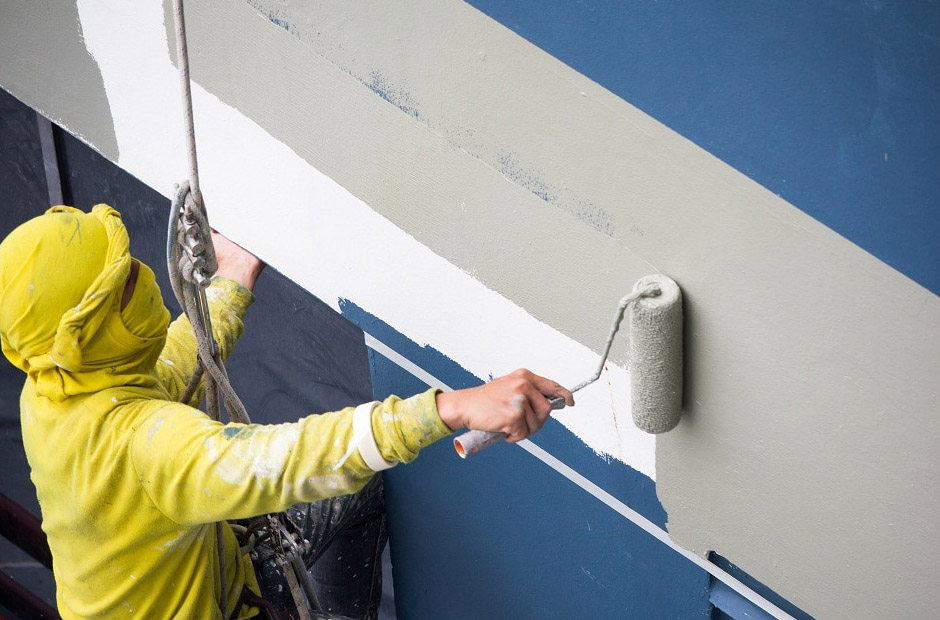
Before applying new paint, ensure that surfaces are clean, dry, and free from defects. This includes repairing cracks, sanding rough areas, and removing old, flaking paint. Proper preparation enhances paint adhesion and contributes to a smoother, more durable finish.
Choosing Quality Paints and Coatings
Investing in high-quality paints and coatings yields long-term benefits. Premium products offer superior coverage, longer longevity, and enhanced resistance to environmental factors. For instance, using UV-resistant coatings can prevent fading caused by sunlight exposure, while mildew-resistant paints are ideal for humid environments.
Compliance with Regulations
Property managers must adhere to environmental and safety regulations during painting projects. For properties built before 1978, compliance with the EPA’s Lead Renovation, Repair, and Painting (RRP) Rule is mandatory to prevent lead exposure. Additionally, using low-VOC or zero-VOC paints helps maintain indoor air quality and meets environmental standards.
Effective Communication with Tenants
Informing tenants about upcoming painting projects is crucial to minimizing disruptions. Provide advance notice detailing the schedule, areas affected, and any necessary preparations tenants should make. Clear communication fosters cooperation and reduces complaints during the maintenance process.
Partnering with Professional Painting Services
Collaborating with experienced painting contractors ensures high-quality results and compliance with industry standards. For example, O Painting offers specialized property management painting services tailored to meet the unique needs of property managers. Serving the Los Angeles, San Fernando Valley, and Orange County areas, O Painting provides comprehensive solutions, including thorough assessments, customized planning, and end-to-end project management, all designed to enhance your property’s value and tenant satisfaction.
Implementing a Maintenance Schedule
Developing a regular maintenance schedule helps in planning and budgeting for painting projects. Seasonal considerations, such as scheduling exterior painting during favorable weather conditions, can enhance the effectiveness and longevity of the paint job.
Utilizing Technology for Project Management
Leveraging project management software can streamline the planning and execution of painting projects. These tools assist in scheduling, budgeting, and communication, ensuring that all aspects of the project are managed efficiently.
By following these best practices, any property management company can maintain the visual appeal and structural integrity of their properties, ultimately leading to higher tenant satisfaction and property value.