Key Takeaways
- Accurate transaction coding is essential for compliance, reliable financial reporting, and informed decision-making.
- Manual coding offers nuance and error detection but can be labor-intensive and costly.
- Automated coding provides speed and consistency, though initial investment and maintenance are required.
- A hybrid approach that combines automation with human oversight balances efficiency and accuracy.
- Ongoing staff training, regular audits, and cost-benefit evaluations optimize performance and control expenses.
- Thoughtful transaction coding practices strengthen financial integrity and support long-term organizational health.
Introduction
Transaction coding is at the heart of financial integrity for any organization. Every business, big or small, depends on this process to ensure each financial event is categorized correctly and meets regulatory demands. The effectiveness of a company’s financial operations often hinges on the quality and precision of transaction coding, which is why many businesses in Texas are focused on optimizing their approach through a thoughtful blend of cost control and accuracy.
The push for accurate financial records also arises from the need to meet compliance requirements, maintain internal accountability, and support strategic decision-making. Transaction coding in TX provides a framework for organizations to streamline these processes, combining local expertise with best practices to maintain accuracy and efficiency. As organizations weigh their options, they often face the challenge of managing expenses without compromising the caliber of their financial data.
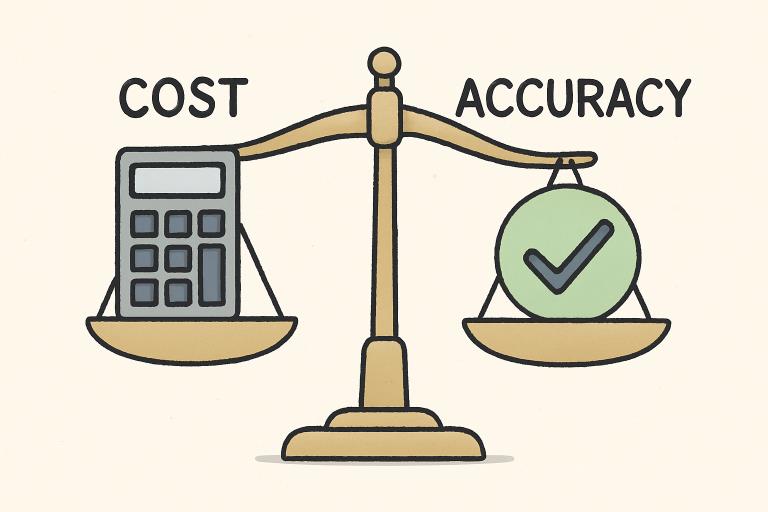
Many leaders try to answer a central question: Should they continue investing in skilled personnel, or would advanced technology help streamline and improve their processes? This conundrum is particularly pressing as regulatory compliance becomes increasingly complex and competition demands precise financial planning.
The Importance of Accurate Transaction Coding
Trustworthiness in financial reporting is impossible without precise transaction coding. By getting the codes right, organizations avoid regulatory issues, gain insight into their finances, and set the foundation for smart budgeting. The consequences of poor coding can ripple far beyond the accounting department. Not only can an error result in inaccurate financial reports, but it can also expose the organization to costly regulatory penalties or biased internal decisions.
- Compliance:Proper coding allows organizations to remain aligned with financial regulations, reducing the risk of audits or penalties.
- Financial Analysis:Coded transactions become data points for analysis, making it easier to identify trends, issues, and opportunities.
- Budgeting and Forecasting:Reliable coding feeds directly into accurate budget setting and forecasting for future periods.
Manual vs. Automated Transaction Coding
Organizations typically choose between manual transaction coding performed by staff and automated processes supported by software. Each approach has its merits and limitations, and the right choice often depends on the business’s specific needs and resources.
Manual Transaction Coding
In the traditional manual model, accountants or bookkeepers review each transaction and assign the relevant codes. This method is a good fit for complex organizations that handle numerous unique transactions and situations. The manual model excels in nuance and allows professionals to catch errors that algorithms might miss. However, the process requires substantial labor investment and is prone to human error, which can drive up operational costs and introduce delays.
Automated Transaction Coding
Technology offers a faster and often more consistent pathway to transaction coding. Automated systems, driven by robust algorithms and sometimes augmented with artificial intelligence, process vast numbers of transactions at high speed and frequently with notable accuracy.
Cost Considerations in Transaction Coding
The true cost of transaction coding extends beyond payroll. Businesses need to consider a range of expenses:
- Labor Costs:Manual work requires specialized talent, which increases fixed costs, particularly as transaction volumes scale.
- Training and Development:Ongoing education is necessary to keep staff up to date with the latest requirements and best practices.
- Technology Investment:Adopting automated tools comes with an initial cost for purchases or subscriptions. Infrastructure and integration also add to upfront costs.
- Maintenance and Upgrades:Over time, automated systems require updates and technical support to ensure performance and security remain high.
Organizations must weigh these expenses against the risk and frequency of errors, which can lead to rework, additional audits, or even compliance penalties if not managed properly.
Achieving the Balance: Strategies for Organizations
Navigating the trade-off between cost and accuracy requires both tactical and strategic moves. Businesses have options that help them achieve their financial management goals while optimizing budgets and data quality.
1. Hybrid Approach
Many successful finance teams blend automation with human oversight. Machines handle standardized transactions, while humans manage exceptions or complex items. This approach not only increases efficiency but also minimizes the opportunity for error. For organizations where regulations or business models demand precision, hybridization offers control alongside scalability.
2. Continuous Training
Investing in staff training can improve the accuracy of manual tasks and enhance the effectiveness of automated systems. As technology changes and financial codes are updated, ongoing training keeps the organization agile and compliant.
3. Regular Audits
Conducting scheduled audits of coding accuracy detects trend errors early and allows the team to make corrections before they escalate into larger issues. This process is essential for risk management in all organizations.
4. Cost-Benefit Analysis
Routine evaluations of technology investments and labor allocation can reveal opportunities for optimization. By benchmarking against industry standards and their own historical data, organizations can make sound decisions about where to prioritize spending to achieve the greatest impact on accuracy and efficiency.
Final Thoughts
Balancing the costs and accuracy of transaction coding is an ongoing journey for any organization committed to robust financial management. The smartest strategies blend the best of human insight with automation, ensuring efficiency without sacrificing precision. As technology evolves and business requirements shift, organizations should continually revisit their transaction coding practices. A thoughtful approach will safeguard compliance, support reliable financial reporting, and optimize expenses, contributing to overall organizational health in an increasingly competitive environment.