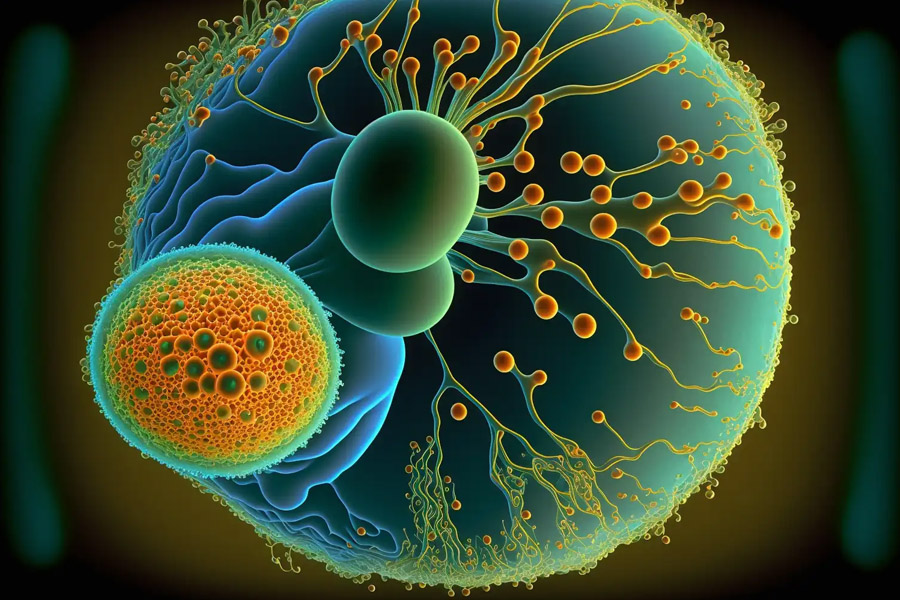
Picture a lab bench bathed in soft, clinical light. A petri dish. A cluster of cells that can become almost anything. Stem cells have always felt a little cinematic—shape-shifters on cue, capable of repairing what time and illness chip away. But beyond the screenplay-worthy promise sits a more grounded story: the patient, slow-burn rise of regenerative medicine and what it might mean for living not just longer, but better.
What Makes a Stem Cell Different?
Stem cells excel at repair and restore due to their self-renewal and adaptability. They divide and can become specialised cells depending on kind. Pluripotent embryonic stem cells can become almost every cell type. Adult stem cells repair their native tissues, such as bone marrow stem cells that replenish blood and immune cells or muscle stem cells that heal microtears after an exercise. Perinatal stem cells from umbilical cord blood and tissue and induced pluripotent stem cells (iPSCs) are also available.
That spectrum matters. Broad potential comes with complexity and risk, while focused stem cells are often safer but more limited. The art of regenerative medicine is matching the right cell, with the right delivery, to the right problem.
The Regeneration Playbook: How They May Help
Here’s what makes stem cells compelling from a health perspective: they don’t just replace cells; they orchestrate healing. Some directly differentiate to patch a damaged area—cartilage cells settling into a worn knee, for example. Others act like conductors, releasing growth factors and anti-inflammatory signals that recruit the body’s own repair crews, calm immune overreactions, and encourage blood vessel formation.
In practice, that opens up a wide roster of potential applications:
- Musculoskeletal repair: easing osteoarthritis, tendon and ligament injuries, and stubborn cartilage damage.
- Cardiac and vascular support: encouraging recovery after heart injury, improving blood flow in damaged tissues.
- Ocular regeneration: replacing lost cells in degenerative eye disease or restoring corneal surface with limbal stem cells.
- Skin and wound healing: accelerating repair, reducing scarring, and rebuilding tissue after burns or ulcers.
- Blood and immune rebuilding: reconstituting bone marrow after chemotherapy or genetic disorders through hematopoietic stem cell transplants.
- Metabolic and endocrine hopes: nudging progenitors toward insulin-producing cells for diabetes is an active, fast-moving frontier.
Not all of this is tomorrow’s reality; some is today. Bone marrow transplant—that classic stem cell therapy—has been saving lives for decades. Corneal and skin stem-cell-based procedures are established in select settings. Elsewhere, promising trials are stacking up, each one a scene in a longer film.
Healthspan, Not Just Lifespan
Life expectancy was once a figure. Healthspan—the years spent with vigour, lucidity, and independence—now dominates the debate. Chronic inflammation, tissue deterioration, immunological drift, and delayed stem-cell depletion make bodies less robust, making stem cells ideal here.
Think of improving muscle regeneration to combat frailty, immunological function to reduce infection risk, or inflammation that causes so many age-related diseases. The healthspan lens. Preserving the body’s renewal mechanism to protect joints, nerves, vessels, and organs is more important than a mystical “anti-aging” shot.
What’s Real Now vs. What’s Still in the Script
A quick reality check keeps expectations honest:
- Already real: hematopoietic stem cell transplants for blood cancers and some immune disorders; select corneal and skin stem-cell procedures; niche approvals for very specific conditions in some regions.
- MSC-based interventions for osteoarthritis, complex fistulas, some inflammatory and autoimmune conditions, progenitor therapies for heart, eye, and neurological disorders, and iPSC-derived cells for retinal disease and other targeted applications are in serious clinical trials.
- Not ready for prime time: blanket “anti-aging” stem cell infusions, unproven neurologic cures, or any claim that promises whole-body rejuvenation on a clinic flyer.
Progress tends to arrive condition by condition, with careful outcome measures, not as a single sweeping cure.
Risks, Ethics, and the Wild West Problem
The same powers that make stem cells potent require vigilance. If not properly developed, pluripotent cells can grow uncontrollably. Even improperly prepared or delivered adult stem cell products can cause immunological responses, infections, clots, and ectopic tissue development. Even though intravenous infusions are easy, they can be dangerous if cells lodge or cause inflammation.
Cell source and consent matter ethically. Different considerations apply to embryonic lines, perinatal tissues, and adult donor cells. In addition, direct-to-consumer clinics giving one-size-fits-all “stem cell” injections without evidence generate a wild west vibe that authorities are currently corralling. Standardised manufacturing, transparent data, and trials that assess pain, function, survival, and independence—not simply “feels better” anecdotes—are the safe approach.
Access, Cost, and the Nuts and Bolts of Delivery
Regenerative medicine is alive. That requires strong manufacturing controls, batch-to-batch consistency, and traceability. Autologous (your own) techniques avoid some immunological difficulties but are slower and more expensive; allogeneic (donor) cells give scale and immediacy but require matching and immunologic monitoring. For off-the-shelf pluripotency, iPSCs must undergo rigorous differentiation and safety screening to prevent undifferentiated cells.
Delivery is its own craft. Local injections into joints or tendons aim cells where they’re needed. For heart and neurologic targets, catheters, scaffolds, or biomaterial “nests” can help cells stay put and survive. Some strategies skip permanent engraftment altogether, banking on a therapeutic “splash” of signaling molecules to reset the healing environment and let resident cells take it from there.
The Next Wave: Exosomes, Organoids, and Cell-Free Magic
If cells are the orchestra, their secretome—proteins, RNAs, and exosomes—is the melody. Small membrane bundles called exosomes carry instructions to reduce inflammation and promote repair without introducing complete cells. Stem-cell signal-inspired cell-free products may be safer and more regenerative.
Meanwhile, organoids—mini-tissues grown from stem cells—are rewiring how we model disease and test drugs, and tissue engineering is blending cells with 3D scaffolds to build stronger, smarter implants. Add gene editing to fine-tune or correct cells before transplantation, and the toolkit widens in exciting ways.
Hype Control: Why Incremental Wins Matter
We want the big reveal where ageing is “solved,” but the truth is more subtle: steady, focused breakthroughs that relieve pain, restore sight, mend hearts, and prolong independence. Each healthspan chapter matters. When physicians, engineers, and biologists work together and claims match data, safer, more accessible, and life-enhancing treatments emerge.
FAQ
Can stem cells slow aging?
Not directly in a blanket way, but targeted therapies may reduce inflammation, repair tissues, and preserve function that declines with age.
Are there stem cell treatments that are already standard?
Yes—bone marrow (hematopoietic) stem cell transplants and certain corneal and skin stem-cell procedures are established.
What’s the difference between embryonic, adult, and iPSC stem cells?
Embryonic cells are pluripotent, adult cells are tissue-specific, and iPSCs are reprogrammed mature cells with pluripotent capabilities.
Are clinic “anti-aging” stem cell infusions safe?
Safety and efficacy vary widely, and many such offerings lack robust clinical evidence and regulatory oversight.
Can stem cells cure Alzheimer’s or Parkinson’s today?
No; research is active, but current therapies are experimental and focused on symptom relief or disease mechanisms, not cures.
Do stem cells work by becoming new tissue or by sending signals?
Both—some replace damaged cells, while others mainly release signals that guide the body’s own repair.
What are the biggest risks with stem cell therapies?
Risks include infection, immune reactions, inappropriate tissue growth, clots, and, for pluripotent cells, tumor formation if not properly controlled.
How long until stem cells are used broadly for joint pain?
Some joint-targeted applications are in use or late-stage trials, but broad, routine use awaits consistent, long-term results across patient groups.
Are exosomes the same as stem cell therapy?
No; they’re tiny vesicles carrying signals from cells and are being studied as a cell-free regenerative approach.
Is using your own cells always safer?
Autologous cells can reduce immune risks, but safety still depends on processing quality, delivery method, and the condition treated.
Why are stem cell treatments so expensive?
Complex manufacturing, quality controls, individualized processing, and specialized delivery systems drive costs.
Will stem cells extend lifespan?
They’re more likely to extend healthspan by preserving function and resilience; effects on overall lifespan remain uncertain.