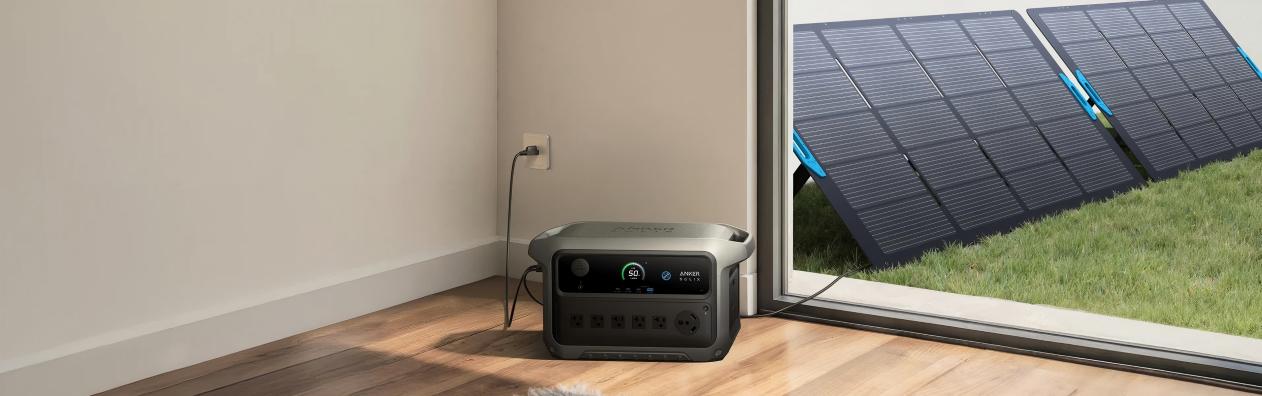
Runtime is one of the first specifications homeowners examine when comparing backup power options. Yet most people misunderstand what actually drives how long an inverter generator can operate. Fuel capacity alone does not decide runtime; neither does wattage rating. Real runtime comes from the interaction between load patterns, system efficiency, environmental conditions, and the generator’s recharging or refueling pathway. Modern hybrid systems, such as the Anker SOLIX C2000 Gen 2 paired with a 400W solar panel, add another dimension by reducing idle consumption, supporting rapid recharging, and allowing energy harvesting during daylight. Understanding these factors helps buyers interpret runtime claims correctly and choose systems that remain dependable during long outages or off-grid use.
The Core Variables That Shape Inverter Generator Runtime
Power Demand From Appliances Shapes Real-World Runtime Immediately
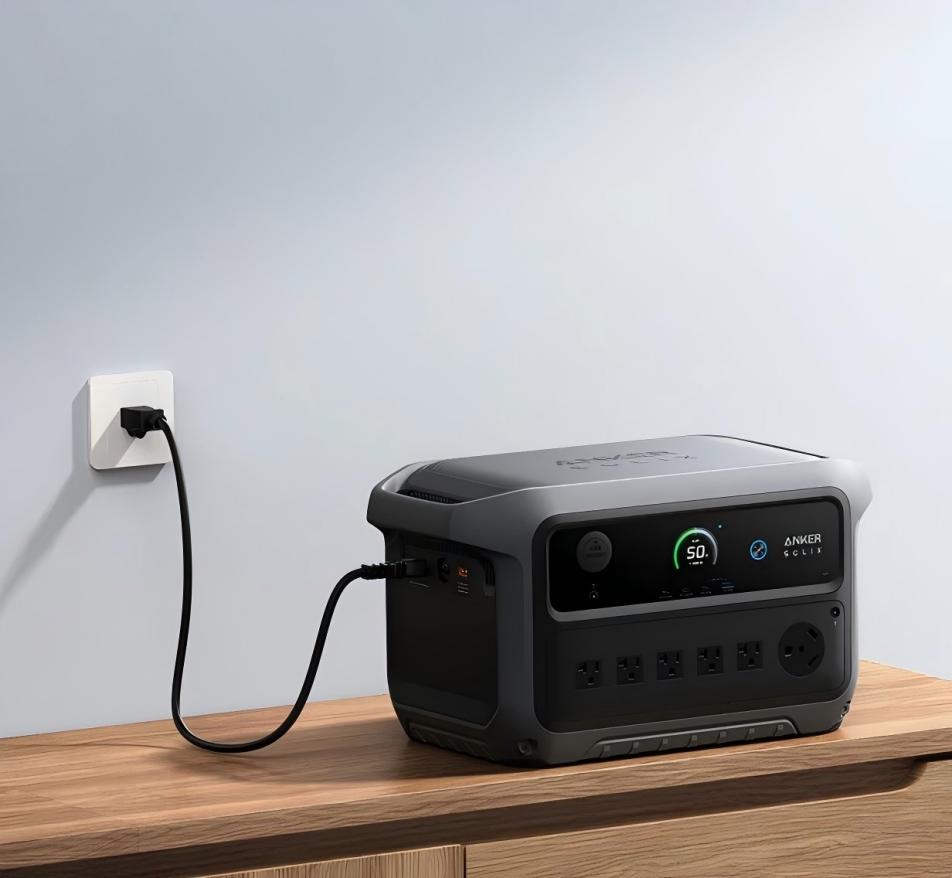
Appliances rarely draw power at a constant rate. Devices such as refrigerators, microwaves, induction cooktops, heaters, and RV equipment create spikes as they cycle on and off. These peaks increase fuel or battery consumption, shortening runtime even when average loads appear modest. For example, a dual-door fridge may draw only moderate continuous power, yet its compressor surges have an outsized influence on consumption. The C2000 Gen 2 offers 4,000W peak output and 2,400W rated output, giving it enough headroom to absorb startup spikes without wasting energy through overload stress. Low idle draw—only 9W—also keeps the system from consuming unnecessary power when loads cycle down. The more stable the load environment, the longer any generator can run, and the smaller the difference between theoretical and real runtime.
System Efficiency Determines How Much Energy Reaches Appliances
Two inverter generators with the same wattage rating can deliver dramatically different runtimes if their efficiency differs. Mechanical engines lose energy through heat, vibration, incomplete combustion, and constant RPM adjustments. Inverter-based units improve efficiency by regulating output and adjusting speed to match the load. Battery-based inverter systems go further by eliminating mechanical losses altogether. The C2000 Gen 2 converts stored energy into AC power with high efficiency, allowing it to power a fridge for up to 32 hours—or up to 64 hours with the BP2000 expansion battery. High solar conversion efficiency also helps: the 400W panel uses monocrystalline cells with up to 23% conversion, which replenishes energy faster and extends effective runtime. Efficiency, not size, often becomes the deciding factor in long-duration scenarios.
Recharging Pathway Defines How Long Power Can Actually Last
Fuel-based inverter generator stops the moment the tank empties. Runtime ends unless new fuel is available. This dependency creates a hard ceiling during outages, natural disasters, and remote travel. Solar-capable systems redefine runtime by introducing an ongoing energy supply. With the C2000 Gen 2, homeowners recharge through six available pathways: AC power, solar panels, vehicle charging, and more. Solar recharging, in particular, extends runtime indefinitely as long as sunlight returns. Adjustable panel angles—30°, 40°, 50°, or 80°—help capture sunlight efficiently in different seasons and locations, creating a more consistent energy flow. Solar-assisted runtime is not fixed; it grows or shrinks based on weather, panel positioning, and daily energy use. For many users, this dynamic capability becomes the key to uninterrupted off-grid living.
Additional Runtime Factors That Many Buyers Overlook
Battery Capacity and Expandability Create Long-Duration Power Security
Inverter generators that rely on internal fuel or fixed battery capacity have static runtimes. Expandable systems scale to match higher demand or longer outages. The C2000 Gen 2 supports capacity expansion up to 4kWh with the BP2000 Gen 2 battery, doubling runtime for essential appliances and smoothing consumption patterns during peak loads. Larger storage also reduces generator cycling, improving overall stability. Capacity matters not only for duration but also for user psychology: backup systems with longer autonomy reduce stress during unpredictable blackout conditions. The more energy stored, the fewer decisions homeowners must make about what to power and what to shut down.
Environmental Conditions Influence Consumption and Efficiency
Weather affects runtime in subtle ways. Cold temperatures increase energy needed to start and cycle appliances, especially refrigerators and heaters. Heat raises inverter temperatures, potentially lowering efficiency. Rainfall affects solar harvesting, while cloud cover reduces panel output. With an IP67 solar panel, the C2000 Gen 2 allows harvesting in wet environments, but reduced sunlight still influences how quickly the system recharges. Even humidity can change consumption patterns by altering appliance workloads. Understanding weather-linked runtime behavior helps users plan realistically, especially for RV trips, cabins, and backup scenarios where outages coincide with harsh conditions.
User Behavior and Load Management Significantly Extend or Shorten Runtime
Many homeowners underestimate the impact of device usage habits on runtime. Running multiple heating appliances simultaneously, charging large batteries, or using power-hungry tools can cut runtime dramatically. Conversely, grouping high-load activities, turning off unnecessary devices, and leveraging energy-efficient appliances can extend runtime substantially. With the C2000 Gen 2, the TT-30 RV port supports whole-RV power delivery, making load planning easier for travelers. Strategic behavior—such as running high-draw appliances during daylight when solar charging is active—can make runtime feel almost continuous. Runtime is partly a technical limitation, but also partly a behavioral outcome shaped by choices during use.
Conclusion
Inverter generator runtime depends on load patterns, efficiency, environmental conditions, recharging options, battery or fuel capacity, and user habits. Mechanical generators measure runtime in hours, limited by fuel supply, while solar-assisted inverter systems expand runtime into days or even indefinite operation when sunlight is available. The Anker SOLIX C2000 Gen 2 with a 400W solar panel illustrates how modern engineering improves runtime resilience through high efficiency, low idle draw, multi-path recharging, and expandable capacity. By understanding these determinants, homeowners can choose systems that align with actual usage needs rather than advertised runtime alone, giving them reliable, predictable power during outages, travel, or off-grid living.