
Dreaming of spending your retirement sipping espresso in a sunlit piazza, strolling cobblestone streets, and enjoying the relaxed pace of Italian life? You’re not alone. Italy consistently ranks as one of the top destinations for retirees from around the world.
But while the dream is beautiful, the process requires planning. If you’ve ever wondered how to retire in Italy, this guide will walk you through everything you need to know—from visas and housing to healthcare and taxes—so you can turn your Italian retirement dream into a reality.
Why Retire in Italy?
Italy offers a unique blend of benefits that make it especially attractive to retirees:
- Affordable cost of living in many regions
- Excellent public healthcare system
- Rich culture, history, and cuisine
- Mild Mediterranean climate
- Easy travel throughout Europe
- A slower, more relaxed lifestyle
Whether you’re picturing a countryside villa in Tuscany or an apartment along the Adriatic coast, Italy has options for nearly every budget and lifestyle.
Step 1: Understand Italy’s Retirement Visa Options
The first major hurdle in retiring to Italy is securing the right visa.
The Elective Residency Visa
For most retirees, the Elective Residency Visa (Residenza Elettiva) is the best path. This visa is designed specifically for people who:
- Do not plan to work in Italy
- Have stable, passive income
- Can financially support themselves
Qualifying income can include:
- Pensions
- Social Security
- Investments
- Rental income
Unlike work visas, this option is ideal for retirees because it focuses on financial independence rather than employment.

Step 2: Choose the Right Place to Live
One of the best parts of retiring in Italy is deciding where to settle. Each region offers a different lifestyle and price point.
Popular Retirement Regions Include:
- Tuscany – scenic countryside and charming towns
- Puglia – affordable, sunny, and close to the sea
- Abruzzo – low cost of living with beautiful landscapes
- Sicily – warm climate and vibrant culture
- Umbria – quieter alternative to Tuscany
Your choice should depend on:
- Budget
- Climate preference
- Proximity to airports
- Healthcare access
- Language comfort level
Spending time in different areas before committing is always a smart idea.
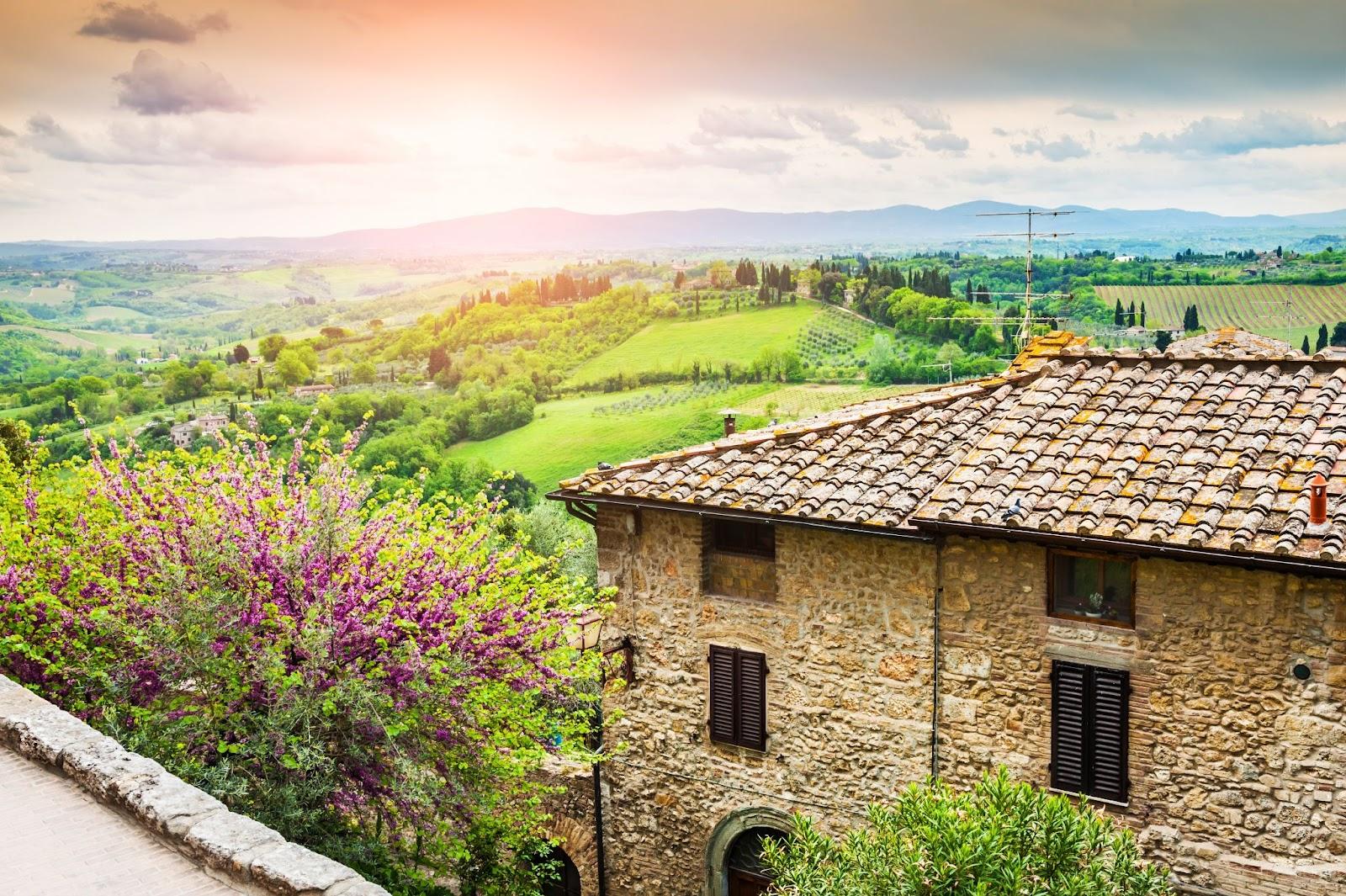
Step 3: Buying or Renting Property in Italy
Housing is one of the biggest decisions you’ll make.
Many retirees begin by renting for 6–12 months before buying. This allows you to:
- Test out a location
- Learn local customs
- Avoid rushed decisions
If you decide to purchase property, professional guidance is essential.
As the experts at Dolce Living explain:
“At Dolce Living, we consistently see how a skilled geometra transforms the buying process into a smooth, stress-free experience.”
A geometra is a licensed Italian property professional who helps navigate zoning rules, inspections, permits, and paperwork—an invaluable resource for foreign buyers.
Read the full guide that explains why you need a geometra to buy property in Italy.

Step 4: Budgeting for Real Life in Italy
One of the biggest advantages of retiring in Italy is the cost of living.
Typical Monthly Expenses
Depending on location and lifestyle, a couple can live comfortably on:
- €1,800 – €2,500 per month in smaller towns
- €2,500 – €3,500 per month in larger cities
Major costs include:
- Rent or mortgage
- Utilities
- Groceries
- Transportation
- Healthcare
- Leisure and travel
In many parts of Italy, your money can stretch much further than in the United States.

Step 5: Healthcare for Retirees in Italy
Italy has one of the best healthcare systems in the world.
As a legal resident, you can:
- Enroll in the Italian public health system (SSN)
- Purchase private health insurance
- Use a combination of both
Many retirees find Italian healthcare to be:
- Affordable
- High quality
- Accessible
- Less complicated than in the U.S.
Before moving, you’ll need private insurance to obtain your visa—but once resident, public options become available.
Step 6: Taxes and Financial Planning
Taxes are an important consideration when retiring abroad.
Key points to understand:
- Italy taxes residents on worldwide income
- There are tax treaties between Italy and the U.S.
- Some regions offer special tax incentives for new residents
Working with an international tax professional is highly recommended to avoid surprises.

Step 7: Language and Integration
While you can get by with English in tourist areas, learning Italian will dramatically improve your experience.
Even basic language skills help with:
- Making friends
- Navigating bureaucracy
- Feeling truly at home
- Enjoying daily life
Many retirees take local language classes as part of their integration process.
Common Challenges (and How to Overcome Them)
Retiring in Italy isn’t without hurdles:
- Bureaucratic paperwork
- Visa timelines
- Cultural differences
- Property regulations
The key to success is preparation—and working with experienced professionals who specialize in helping international retirees.
Final Thoughts: Is Italy Right for You?
If you’re seeking:
- A relaxed lifestyle
- Rich culture
- Great food and wine
- Affordable living
- Beautiful surroundings
Then Italy could be the perfect place to spend your retirement years.
With the right planning and guidance, retiring in Italy is not only possible—it can be one of the best decisions you ever make.
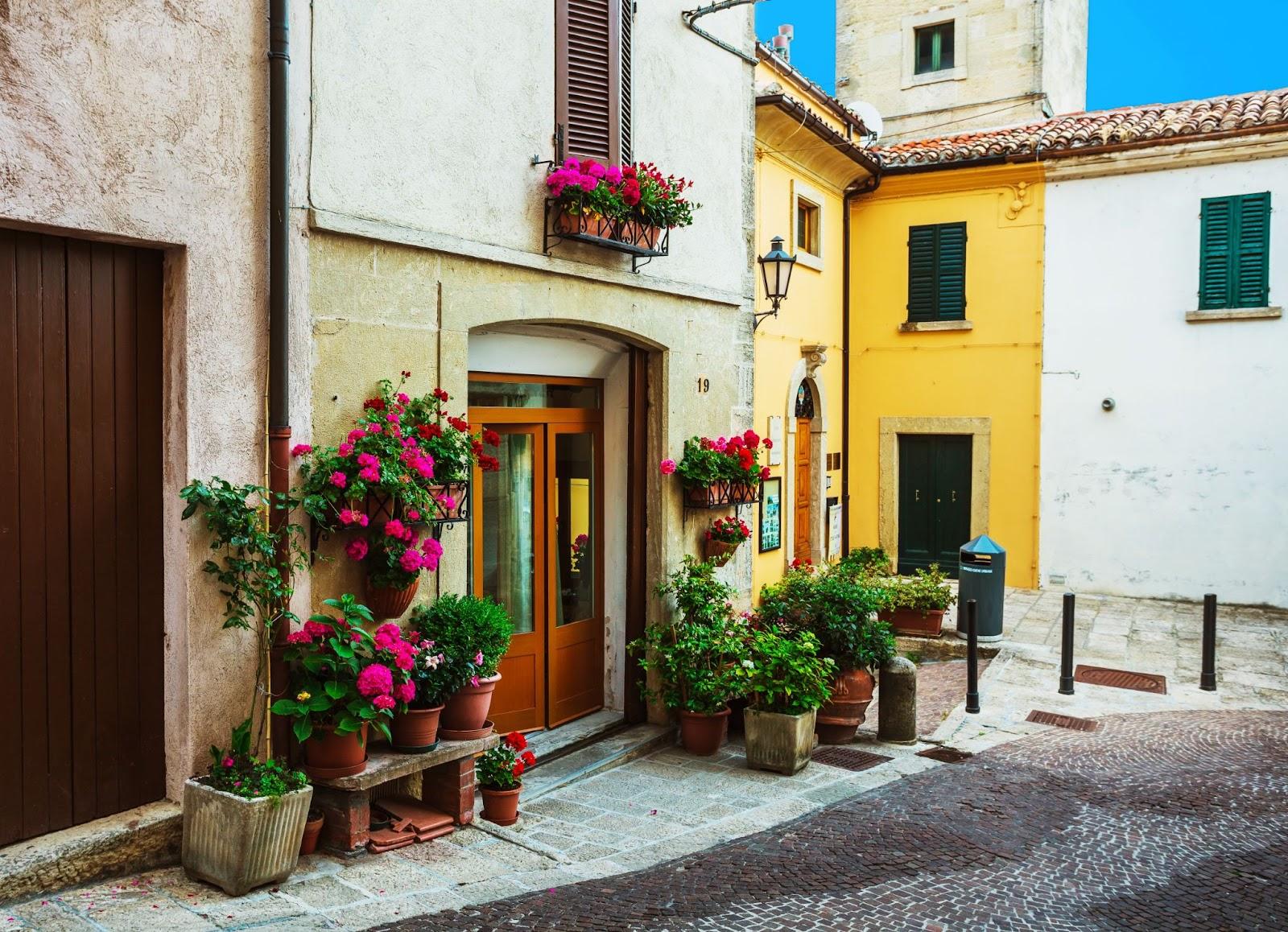
Dolce Living – Expert Guidance for Your Italian Dream
Navigating the Italian property market and residency process is much easier with knowledgeable professionals on your side.
Dolce Living
53 Hudson Ave Ste 234
Nyack, NY 10960
United States
Website: https://dolce-living.com/
Whether you’re just beginning to explore the idea of retiring in Italy or are ready to take the next step, Dolce Living can help make the journey smooth, secure, and enjoyable.
Frequently Asked Questions About Retiring in Italy
Can U.S. citizens retire in Italy?
Yes—U.S. citizens can retire in Italy through the Elective Residency Visa as long as they meet income and residency requirements.
How much money do you need to retire in Italy?
Most retirees find they need between €1,800 and €3,000 per month depending on lifestyle and location.
Do I need to speak Italian to retire in Italy?
It’s not required, but learning Italian is highly recommended for daily life and integration.
Is healthcare good in Italy for retirees?
Yes—Italy offers high-quality, affordable healthcare for legal residents.
Ready to Begin Your Italian Retirement Journey?
With proper planning, expert advice, and a clear strategy, retiring in Italy can be an exciting and rewarding next chapter of life.