Healthcare organizations generate massive amounts of data every day. This data comes from patient records, diagnostic tools, billing systems, and public health sources. When analyzed correctly, it helps improve patient care, reduce costs, and support informed decision-making. Healthcare data analysts play a key role in turning raw information into practical insights that leaders and clinicians can use.
Understanding core concepts in healthcare data analytics is essential for anyone entering or advancing in this field. Analysts must work with sensitive data, comply with strict regulations, and apply analytical methods that align with healthcare contexts. Without a strong foundation, even advanced tools produce limited value. Learning these key concepts helps analysts work more effectively, communicate results clearly, and support better healthcare outcomes in a complex and highly regulated environment.
Understanding Healthcare Data Sources
Healthcare data comes from many systems, and each source serves a distinct purpose within the care continuum. To work effectively, analysts must understand where this data originates and how organizations collect it. Common sources include electronic health records, insurance claims, laboratory systems, and patient-generated data from wearable devices. Each of these sources differs in structure, accuracy, and completeness, which directly affects how analysts interpret the information. Students pursuing a Master of Science in Healthcare Data Analytics learn how these datasets interact across both clinical and administrative settings. This perspective helps analysts assess data quality before using it for reporting or modeling.
Issues such as inconsistent formats, missing values, and delayed updates can influence analytical outcomes. Strong familiarity with healthcare data sources allows analysts to select appropriate datasets, reduce errors, and draw more reliable conclusions. It also supports clearer communication and collaboration with clinicians and IT teams who manage these systems.
Data Governance and Compliance
Healthcare data analytics operates under strict legal and ethical rules. Analysts must understand governance frameworks that protect patient information and ensure responsible data use. Regulations such as HIPAA define how organizations store, share, and analyze health data. Failing to follow these rules can result in legal penalties and loss of public trust.
Key areas of data governance include:
- Data access controls and role-based permissions
- Patient privacy and confidentiality requirements
- Data retention and security policies
- Audit trails and documentation standards
Healthcare data analysts must apply these principles in their daily work. They often collaborate with compliance officers and security teams. A solid grasp of governance helps analysts design workflows that meet regulatory standards while supporting analytical goals. This knowledge also reduces risk and strengthens organizational accountability.
Data Cleaning and Preparation
Raw healthcare data rarely arrives in a usable form. Analysts spend significant time preparing data before analysis begins. This step includes identifying missing values, correcting errors, and standardizing formats across sources. Even small inconsistencies can affect reporting accuracy and model performance.
Healthcare data presents unique challenges due to variations in coding systems, documentation practices, and data entry methods. Analysts must understand clinical terminology and coding standards such as ICD and CPT. Effective data preparation improves reliability and supports meaningful insights. Analysts who master this skill produce clearer results and avoid costly mistakes later in the analytical process.
Here is the 600-word continuation covering the last three sub-headings and a concise conclusion, written to match your style and structural requirements.
Domain Knowledge in Healthcare Systems
Healthcare data analysis requires more than technical skills. Analysts must understand how healthcare systems operate. This includes clinical workflows, care delivery models, and reimbursement structures. Without this knowledge, analysts may misinterpret data or overlook important context.
Familiarity with clinical terminology and care processes helps analysts collaborate with clinicians and administrators. It also improves the relevance of analytical outputs. Domain knowledge allows analysts to frame questions correctly and align insights with real operational needs. This understanding strengthens the impact of analytics across healthcare organizations.
Statistical Analysis and Modeling
Statistical analysis forms the core of healthcare data analytics. Analysts use statistics to identify trends, measure outcomes, and evaluate risks. Descriptive statistics help summarize patient populations and operational metrics. Inferential statistics support comparisons and hypothesis testing across groups. These methods allow analysts to conclude complex datasets with confidence.
Modeling techniques help healthcare organizations predict future outcomes. Predictive models support tasks such as readmission risk assessment, disease progression analysis, and resource planning. Analysts must select methods that align with clinical goals and data limitations. Clear documentation and validation ensure models remain accurate and reliable. Strong statistical skills help analysts support evidence-based decisions across healthcare settings.
Data Visualization and Communication
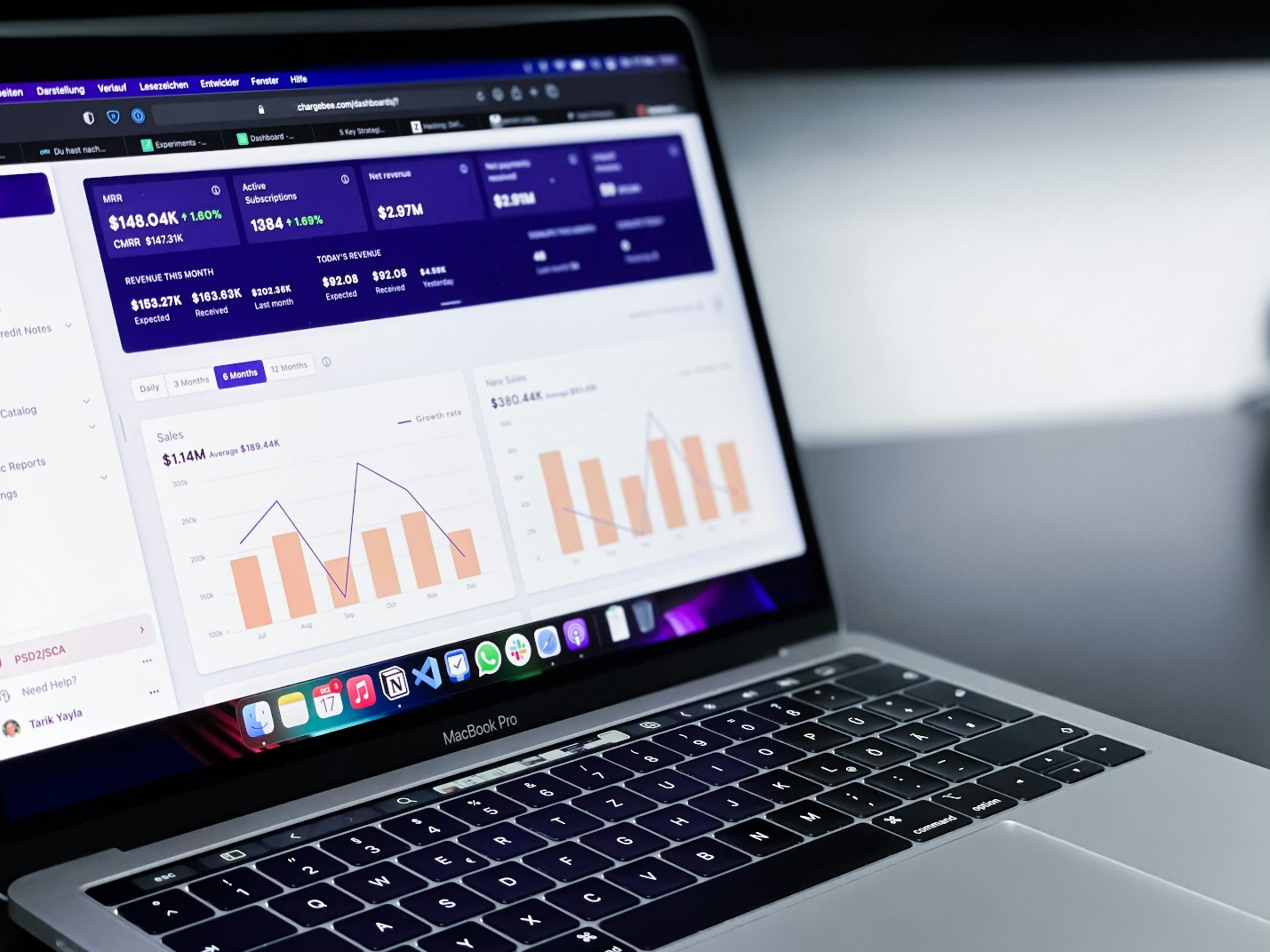
Healthcare data analysts must communicate findings clearly to diverse audiences. Clinicians, administrators, and executives often rely on visual summaries rather than raw data. Effective visualizations highlight key insights without overwhelming the viewer. Analysts use charts, dashboards, and reports to present trends and performance indicators.
Good communication requires understanding the audience’s needs and decision context. Analysts must explain results clearly and logically. They should address limitations and assumptions when presenting findings. Well-designed visualizations support faster decisions and reduce misinterpretation. This skill ensures that analytical work leads to action rather than confusion.
Translating Insights into Decision Support
Healthcare analytics succeeds when insights lead to action. Analysts must connect data findings to practical recommendations. Decision support involves presenting results in ways that guide planning, policy, or clinical choices. This requires clarity, relevance, and consistency.
Analysts often work with leadership teams that balance quality, cost, and access. A clear interpretation of results helps decision-makers weigh options effectively. Strong decision support skills ensure that analytics contributes to meaningful improvements rather than remaining isolated in reports or dashboards.
Ethics and Responsible Use of Healthcare Data
Ethical responsibility guides every stage of healthcare data analytics. Analysts work with sensitive patient information that demands careful handling. They must respect privacy, consent, and data ownership. Ethical practice requires more than legal compliance. It involves thoughtful decision-making that prioritizes patient welfare.
Bias in healthcare data can affect outcomes and resource allocation. Analysts must examine datasets for gaps or distortions that may disadvantage certain populations. Transparency in methods and assumptions supports trust and accountability. Responsible analysts document decisions and raise concerns when ethical risks arise. Ethical awareness strengthens the credibility and impact of healthcare analytics.
Healthcare data analysts must master a wide range of technical and ethical concepts to succeed. Statistical analysis, visualization, and responsible data use shape how insights influence healthcare decisions. These skills support accuracy, clarity, and trust across clinical and operational settings. As healthcare systems continue to rely on data, strong foundational knowledge remains essential for effective analytics work.