When tired eyes start to look older than the rest of the face, it can feel unfair and discouraging, especially if energy levels remain high. Many people notice that colleagues or friends ask if they are exhausted or unwell, even on days when they feel perfectly fine. Over time, this gap between how a person feels and how they look can quietly chip away at confidence in social and professional situations.
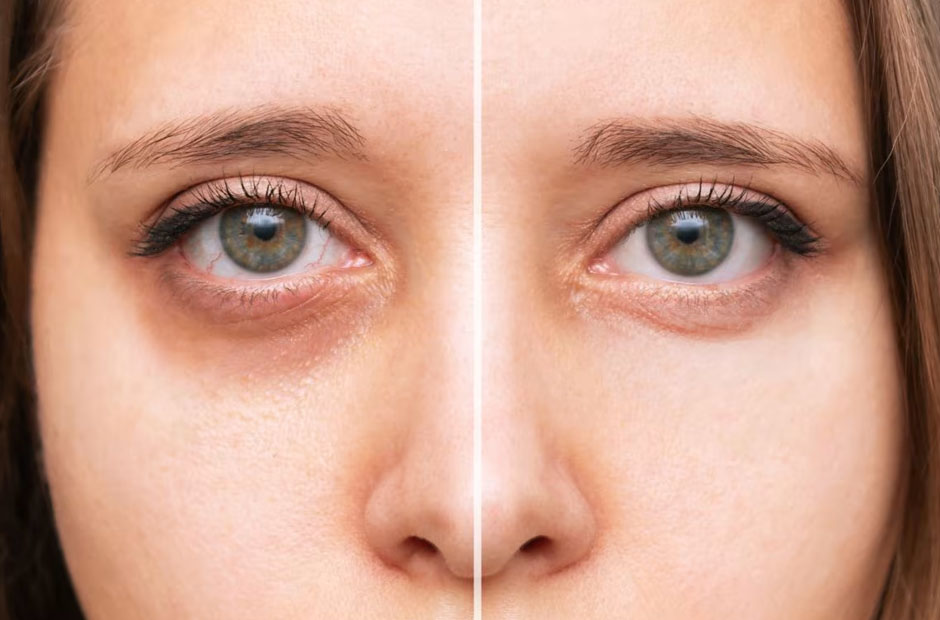
The eye area is usually where early signs of fatigue and ageing first appear because the skin here is naturally thin and delicate. When there is a lack of sleep, chronic stress or long hours in front of screens, dark circles and puffiness can become more obvious and harder to conceal with makeup. For some, even lifestyle changes and skincare are not enough, which is why many start searching for options such as dark eye circle treatment to refresh their appearance in a more targeted way.
Wanting to look as awake as one feels is not vanity. Clearer, brighter under eye areas can make someone feel more like themselves and small improvements around the eye area can create a big shift in how others perceive their mood, energy and even professionalism. Understanding why tired eyes show up so strongly, and what can realistically be done, is often the first step to feeling more in control.
When Fatigue Shows On The Face
The first major reason tired eyes can age a face quickly is general fatigue, both from a lack of sleep and from a demanding lifestyle. When the body does not get enough rest, circulation is affected and blood vessels under the eyes can become more visible through the thin skin, creating a darker or bruised appearance. At the same time, fluid may accumulate, leading to puffiness or soft eye bags that cast shadows and exaggerate fine lines.
Sleep, Stress And Shadows
Chronic sleep deprivation does more than cause a temporary dull look after one late night. Over time, ongoing lack of rest can affect collagen levels, reduce skin elasticity and make the area under the eyes look thinner and more fragile. When the skin becomes more transparent, the natural colour of blood vessels and underlying structures shows through more clearly, creating persistent shadows even when a person is not acutely tired.
Stress works alongside poor sleep to make things worse. Elevated stress hormones can influence blood flow and fluid balance, contributing to puffiness and a drawn, older appearance around the eyes. Many people also rub their eyes more when stressed or tired, and this repeated friction can irritate the skin and gradually increase pigmentation.
Lifestyle Habits That Add Years
Certain everyday habits quietly intensify the look of tired eyes. Spending long hours in front of screens can strain the eyes, making blood vessels more visible through thin lower eyelid skin. Dehydration from not drinking enough water, or from frequent caffeine and alcohol, can make the skin look dull and sunken, deepening hollows under the eyes.
Sun exposure is another powerful factor. UV rays stimulate pigment production, and when the delicate eye area is not well protected, hyperpigmentation and dark patches can slowly build up. Over time, darkening caused by the sun can sit on top of existing vascular shadows and hollows, making someone look more tired and older even on good days.
When Rest Is Not Enough
It can be frustrating to sleep better, drink more water and still see tired eyes in the mirror. In many cases, this occurs because dark circles and eye bags are not caused by lifestyle alone but by a mix of natural anatomy, genetics and skin changes that come with age. Once collagen has thinned and fat pads have shifted, lifestyle improvements support overall health but rarely reverse the physical structures that cause shadows.
For some, the main issue is a loss of volume under the eyes, which creates a visible trough or hollow that catches light and looks like a permanent shadow. For others, deeper pigmentation, prominent blood vessels or a combination of mild puffiness and thin skin all contribute to a tired look that makeup can only partially cover. Recognising when rest alone cannot correct the problem often leads people to explore more specialised solutions.
Why Some Eyes Age Faster
The second major reason tired eyes can seem older than the rest of the face is that this area is heavily influenced by genetics and natural ageing. Even in younger adults, inherited traits such as deeper set eyes, naturally darker skin around the lids or stronger pigmentation under the eyes can create the impression of fatigue or age. Over the years, these traits interact with the normal ageing process to make changes more noticeable.
Genetics, Pigment And Bone Structure
Genetics play a strong role in how the area under the eyes looks, including how prone someone is to dark circles or early hollowness. Some people have more melanin in the skin under the eyes, which makes that region appear darker even when they are well rested and healthy. Others inherit thinner skin or more visible veins, so the natural blue or purple tones of blood vessels show through much more easily.
Facial bone structure also matters. When the eyes sit deeper in the socket or when the mid cheek area is relatively flat, a groove or tear trough can form where light tends to cast a shadow. This shadow can be mistaken for simple tiredness, but it is really about underlying structure, which explains why it often shows up early and persists regardless of sleep or skincare routines.
Ageing Skin Around The Eyes
The skin around the eyes is among the thinnest on the body and naturally loses collagen, elastin and fat with time. As the support structure weakens, fine lines, crepe texture and mild sagging begin to appear, all of which catch light and exaggerate shadows. Fat pads may also shift and descend, creating puffiness just beneath the eye that makes the transition from lower lid to cheek more obvious.
These structural shifts can create a sharp contrast between the area under the eyes and the rest of the face, making someone look tired even when their cheeks and jawline still appear youthful. Pigmentation and sun damage layered on top of these changes add depth to the darkness and often make concealer harder to blend smoothly. Many people describe this stage as looking permanently worn out, even when they do not feel that way inside.
Bringing Eyes And Energy Back In Sync
When eyes that look tired are driven by a mix of lifestyle, anatomy and aging, it is understandable to feel that nothing will help, but there are more options than ever to support the delicate skin around the eyes. Gentle lifestyle changes such as better sleep, sun protection, hydration and less screen strain can still reduce ongoing stress on this area and prevent further damage. At the same time, targeted skincare with ingredients that support collagen, brighten pigmentation and protect the skin barrier may soften the look of fatigue, especially in the early stages.
For those whose dark circles or eye bags are mainly structural or driven by pigment, nonsurgical treatments such as fillers under the eyes, laser therapies, skin tightening technologies and specialised brightening procedures can address underlying causes more directly. These options aim to restore lost volume, improve skin quality and reduce excess pigment or visible vessels, helping the eye area match how youthful a person feels. In some cases, more advanced options like eyelid surgery or fat grafting may be suggested when changes are significant and long term.
No one should feel pressured to change their appearance, but it is equally valid to want the face in the mirror to reflect inner energy and well being. Speaking with a qualified professional who understands both medical and aesthetic aspects of the eye area can help someone decide, at their own pace, whether simple lifestyle adjustments, skincare, treatments in a clinic or a combination feel right for them. With the right support, tired eyes do not have to tell the whole story of how a person is living or growing older.