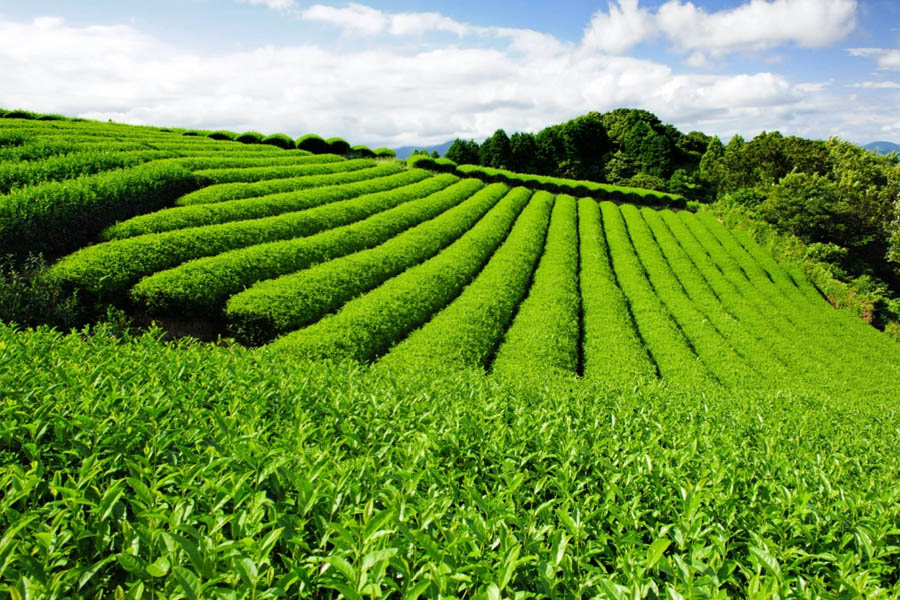
When it comes to premium Japanese teas, Gyokuro Tea stands out as one of the most esteemed and refined varieties. Originating from Japan, Gyokuro is a type of shaded green tea known for its intensely sweet flavour and rich umami taste. This article delves into the unique characteristics of Gyokuro tea, particularly focusing on its various types, including those from regions such as Asahina and Yame.
What Makes Gyokuro Tea Special?
One of the key factors that distinguishes Gyokuro from other green teas is its cultivation process. Unlike typical varieties, Gyokuro tea bushes are shaded for approximately 20 days before harvest. This shading process causes the plants to produce higher levels of chlorophyll, leading to the leaves’ vibrant green colour and enhancing the concentration of certain amino acids, primarily L-theanine. This amino acid is responsible for the tea’s distinct umami flavour profile.
The Origin of Gyokuro Tea
Gyokuro’s history dates back to the 19th century when it was first developed in the Uji region of Japan. It quickly gained popularity due to its superior taste and unique production method. Today, Gyokuro is grown primarily in three Japanese regions: Uji, Asahina, and Yame. Each locale imparts its own unique characteristics to the tea, influenced by the local climate, soil, and traditional cultivation practices.
Asahina Gyokuro
Asahina is a renowned region in Shizuoka Prefecture known for producing some of Japan’s most exquisite Gyokuro tea. Asahina Gyokuro is celebrated for its delicate aroma and unique flavour profile, which includes a perfect balance of sweetness and umami. The quality of the tea produced is a testament to the meticulous care and expertise that local growers invest in their cultivation methods.
Yame Gyokuro
Another significant variety comes from Yame, located in Fukuoka Prefecture. Yame Gyokuro is prized for its distinctive full-bodied taste and deep, rounded umami flavour. The intricate process involved in its production, coupled with the region’s ideal climate, contributes to the rich quality of tea that connoisseurs admire. This tea is often noted for its mellow sweetness and smooth finish.
The Art of Brewing Gyokuro
Brewing Gyokuro requires a nuanced approach to fully appreciate its complex flavours. The recommended method involves using lower water temperatures compared to other green teas, typically around 50-60 degrees Celsius. Using this gentle heat helps extract the sweet and umami elements without introducing bitterness. It is also important to use a higher leaf-to-water ratio for a richer infusion, bringing out the best in each sip.
Health Benefits of Gyokuro
Gyokuro tea is not only celebrated for its taste but also for its numerous health benefits. Rich in antioxidants, particularly catechins, Gyokuro supports immune function and may reduce the risk of chronic diseases. Additionally, its high L-theanine content promotes relaxation and mental alertness, making it a favourite choice for those seeking both a calming and stimulating experience.
IKKYU’s Commitment to Quality
As a purveyor of traditional Japanese teas, IKKYU Tea prides itself on sourcing the finest Gyokuro directly from renowned tea-producing regions such as Asahina and Yame. By maintaining close relationships with local growers, IKKYU ensures that each batch of Gyokuro tea meets the highest standards of quality and flavour. The commitment to authenticity and excellence is evident in every cup.
Why Choose Japanese Green Tea?
Opting for Japanese Green Tea, particularly Gyokuro, presents an opportunity to indulge in one of the purest and most deeply cherished traditions of Japan. Its unique cultivation, coupled with its exquisite taste and myriad health benefits, makes it a standout choice for tea enthusiasts worldwide. Whether you are an experienced connoisseur or a newcomer to the world of Japanese tea, Gyokuro offers a sensory experience that promises delight.
Conclusion
In conclusion, Gyokuro is a prime example of the sophistication and tradition inherent in Japanese tea culture. Its varieties, such as those from Asahina and Yame, offer distinct experiences that reflect their regions’ unique terroirs. Through meticulous cultivation and expert brewing, Gyokuro tea provides a multi-sensory journey that highlights the art and science of Japanese tea production. From its deep umami flavour to its vibrant green hue, Gyokuro remains a jewel among teas, beckoning enthusiasts to explore its many facets.