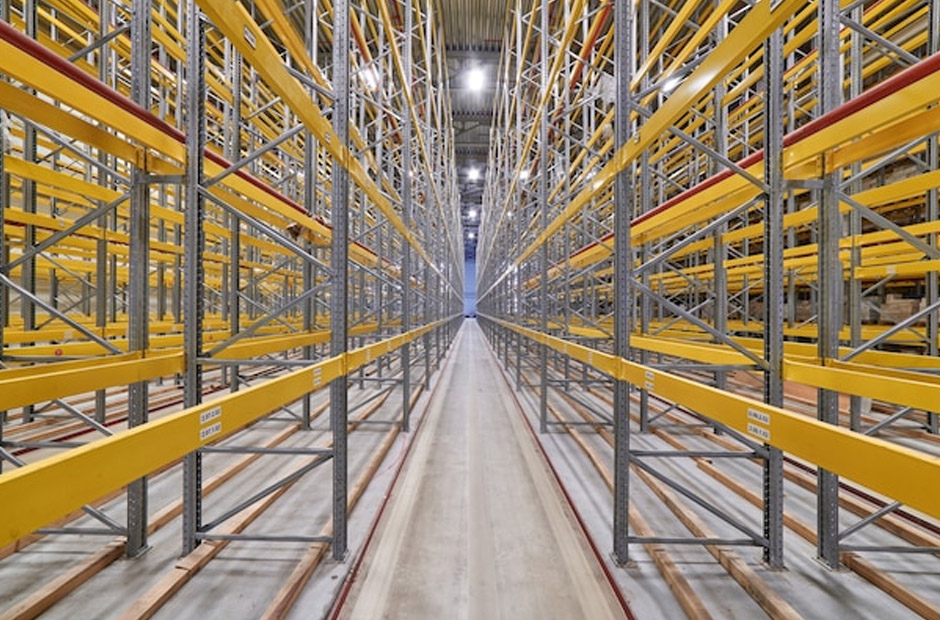
Warehouse efficiency depends heavily on how well space is utilized and how easily products can be accessed. Pallet racking systems support organized storage by aligning product flow with structural layout. Selecting a suitable system in Houston involves evaluating space, load requirements, and handling tools.
Used pallet racks in Houston serve companies looking for dependable and flexible options. They offer a practical solution for businesses that want solid racking without the cost of new materials. To find a good fit, the system must match product dimensions, frequency of access, and available warehouse space.
Review Types of Rack Systems
Selective racks allow direct access to each pallet without shifting others. They suit environments that store multiple product lines with frequent movement. Drive-in racks support deeper storage for goods with a uniform size and low turnover. They work in spaces where vertical stacking needs to be combined with limited aisle use.
Push-back racks hold pallets on rails that slide back as new ones are loaded. They help store multiple pallets in a single lane while allowing quick retrieval. Pallet flow racks use gravity rollers to keep inventory moving forward automatically. Cantilever racks provide open space for large, irregular items like tubing or flat panels.
Check Inventory Dimensions and Weight
Pallet dimensions vary across industries, so accurate sizing is key. Standard racks support common pallet types, while custom sizing fits oversized or shaped products. Weight affects the structure’s strength requirement, so overestimating helps maintain safety across seasonal shifts. Placement strategy should reflect inventory shape and frequency of use.
Higher-density loads require stronger frames, beam supports, and safe stacking limits. If inventory changes throughout the year, flexibility becomes essential. Pallets that require special equipment must be placed at accessible heights. Depth and clearance must match not only product size but also the handling methods used during daily shifts.
Analyze Available Warehouse Space
Ceiling height, column placement, and aisle width shape what racking system fits best. Open floor plans give more layout options, while tighter spaces demand narrower systems. Storage should never block safety equipment or reduce lighting across pathways. Rack height must allow clearance between pallet tops and the ceiling.
Aisle spacing impacts safe forklift access and worker flow. Denser systems reduce aisle use but may require different handling tools. Entry points, doors, and dock areas must remain unobstructed. Expansion plans should be considered early so racks can be adjusted later without a full redesign. Every square foot should serve a clear function.
Match Systems to Warehouse Equipment
Forklifts and pallet jacks require certain clearances and turning paths. Rack height should align with lifting capabilities, while spacing must support movement. Trucks used for higher levels need wider aisles or special attachments. Knowing equipment specs avoids delays and preserves rack stability under load.
Some equipment can support only certain rack depths or heights. Adding systems beyond those limits risks damage to pallets or frames. Choosing racks that pair well with machinery keeps workflow consistent and reduces strain. Always verify that the selected racking system is compatible with existing warehouse tools before installation.
Focus on Load Capacity and Safety
Pallet racks must hold the intended weight without bending or shifting. Anchoring points should be placed based on rack height and floor strength. Crossbars and uprights must align with load distribution. Safety accessories help protect both the rack and stored products from damage.
Safety additions to consider include:
- Rack protectors to shield frame edges
- Row spacers for consistent alignment
- Safety clips for beam locking
- Netting for fall protection
- Labels showing weight limits
Compare New and Used System Benefits
New rack systems arrive ready for assembly with full documentation and matching parts. They suit highly specific requirements, especially for new builds. Used systems are widely available and sometimes serve general storage needs well. Most used racks have standard sizes, making them easy to match with common accessories.
Used pallet racks in Houston must be inspected for rust, damage, or missing parts before use. All frames and beams should be from the same series to ensure proper fit. Load capacity must be verified through original documentation or supplier input. With proper inspection, used systems offer valuable support for expanding storage.
Select Based on Storage Priorities
Used pallet racks in Houston can meet performance needs when selected with care. Each system must reflect storage goals, floor layout, and equipment capability. Inventory changes across the year, so the chosen rack should handle both current and future demands without needing replacement.
Every warehouse layout should align with rack design to support flow, loading patterns, and safe access. Staff input can guide placement for smoother stocking and retrieval. With the right balance of structure and planning, a pallet rack system supports clear storage, practical handling, and space efficiency across the entire warehouse.
Get Help from Houston’s Trusted Rack Experts
Local suppliers with strong knowledge of pallet rack systems offer targeted solutions. Their input covers layout planning, load limits, and system fit. This support helps businesses avoid installation issues and operational slowdowns.
Working with experienced professionals in Houston brings access to reliable guidance and practical recommendations. They help evaluate used and new options based on real warehouse needs. Their involvement ensures each rack system is built to handle specific inventory and daily flow.