Key Takeaways
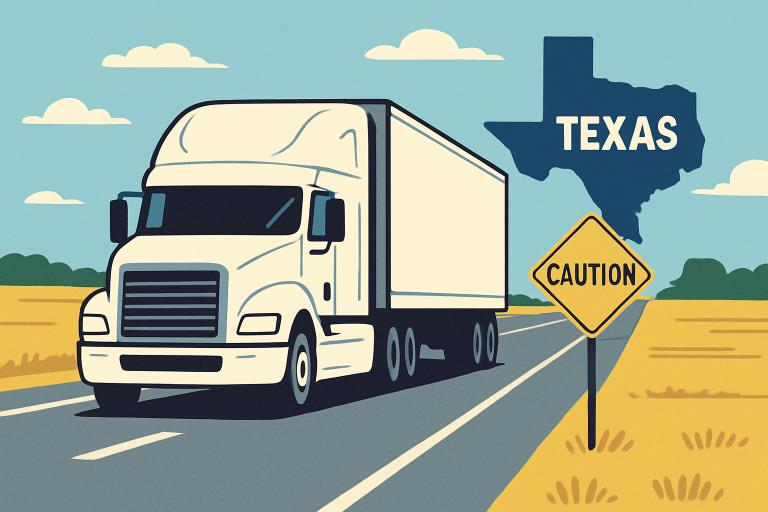
- Texas leads the nation in fatal truck crashes, highlighting a critical need for enhanced safety measures.
- Federal enforcement actions have declined by 65% in recent years, leaving more unsafe trucks on the road.
- The rise of autonomous trucking introduces new safety challenges that current regulations may not adequately address.
- Improving truck parking facilities is essential to prevent unsafe parking practices that jeopardize all motorists.
The state of Texas, famed for its sprawling highways and robust freight industry, is currently grappling with a sharp increase in fatal truck crashes. This troubling rise poses a significant threat to public safety and signals systemic issues that demand immediate regulatory attention. With more trucks traversing the state than ever before, the risks to ordinary drivers and commercial operators alike have become a pressing concern. For those directly affected, the support of an auto accident law firm can be essential for navigating the aftermath of an accident and seeking just compensation.
As concerns grow about the inadequacies of Texas’s current regulatory framework for trucking and road safety, advocates are calling for immediate reforms to protect lives. The state’s policies seem outpaced by changes in industry growth, technology, and infrastructure demands. Stakeholders believe that addressing truck safety issues is essential not just for public safety but also for the regional economy and legal landscape, requiring collaborative efforts among various entities to effect meaningful change.
Current State of Truck Safety in Texas
In 2023, Texas led the nation with 772 fatal large truck crashes, a grim statistic that places a spotlight on the state’s highway safety issues. The size and weight disparities between large commercial trucks and passenger vehicles amplify the severity of accidents, often resulting in fatalities or catastrophic injuries. Data-driven reviews confirm that Texas highways are among the most dangerous in the country for drivers sharing the road with heavy trucks. These troubling findings suggest a gap between traffic realities and existing safety regulations. To further support efforts that reduce collisions and protect both motorists and commercial drivers, implementing comprehensive Event Traffic Management solutions can help organise traffic flow and minimise risky interactions between heavy vehicles and other road users.
Decline in Federal Oversight
In recent years, federal enforcement actions by the Federal Motor Carrier Safety Administration have plummeted. From 3,950 actions in 2024 to only 1,360 in 2025, oversight has declined by a dramatic 65 percent. This reduction leaves more unsafe trucks and carriers on Texas roads, decreasing the likelihood that noncompliant or hazardous operators will be caught and removed from service. With fewer regulatory checks, the probability of accidents increases, putting the general public at greater risk. The decline in federal involvement signals to advocacy groups and families alike that there is an urgent need for both state and federal governments to prioritize trucking safety reforms.
Nationally recognized safety watchdogs, such as the Insurance Institute for Highway Safety (IIHS), have raised concerns that reduced inspections and enforcement correlate with higher crash rates and more severe consequences for victims.
Impact of Autonomous Trucks
The emergence of autonomous, or driverless, trucks on Texas highways represents a new frontier in road safety. Companies are actively piloting self-driving freight vehicles along major routes, promising improved efficiency and lower operational costs. However, this technology raises a host of regulatory and safety questions. Critics worry that current guidelines do not fully account for the unique risks posed by autonomous vehicles, such as technical failures, unpredictable road conditions, and the complexities of interacting with human drivers. As these vehicles become more common, it is clear that lawmakers need to implement stringent safety tests and updated certification processes to address these challenges.
Challenges in Truck Parking
One often-overlooked but critical factor in truck safety is the availability of safe, legal parking for commercial drivers. Texas faces a chronic shortage of designated truck parking zones, forcing drivers to stop on highway shoulders, entrance and exit ramps, or unauthorized areas. The consequences are significant: unsafe parking can lead to deadly collisions, create hazardous conditions for other motorists, and damage fragile road infrastructure. Addressing this problem is integral to improving overall transportation safety and reducing the risk of preventable accidents.
Economic Implications
The ramifications of unsafe trucking extend beyond individual tragedies, reverberating across the entire state economy. Truck crashes result in substantial financial losses, from expensive medical treatments and emergency responses to spiking insurance premiums and costly repairs to public facilities. Lawsuits, lost productivity, and damaged cargo also contribute to the economic burden. By strengthening truck safety regulations, Texas stands to save millions of dollars in direct and indirect costs, while fostering a more reliable and efficient freight transport industry.
Proposed Measures for Improvement
A comprehensive approach to enhancing trucking safety must address multiple aspects of the industry. Texas can initiate positive change by:
- Increasing federal and state funding for regular inspections and consistent enforcement of vehicle safety standards.
- Implementing updated rules for autonomous trucks, including mandatory safety testing, emergency fail-safes, and state-level certification requirements.
- Expanding and modernizing truck parking facilities to prevent unsafe roadside stops and associated hazards.
- Increasing driver training standards and ongoing professional development to ensure driver proficiency and adherence to evolving safety protocols.
By prioritizing these measures, Texas can reduce the frequency and severity of truck crashes, improve overall road safety, and restore public confidence in its highway systems.
Conclusion
The spike in fatal truck crashes across Texas is a clear call to action for stronger regulations and closer oversight. By updating federal and state inspection protocols, developing clear strategies for emerging technologies, and investing in infrastructure, Texas can create safer roads for truck operators and everyday drivers alike. With a unified approach from policymakers, the trucking industry, and the legal community, the state can lead in road safety reform while maintaining its role as a powerhouse in national and international commerce.