Key Takeaways
- Research vehicle models for reliability, safety, and cost of ownership.
- Inspect each car thoroughly, inside and out, and seek professional mechanical advice.
- Review the vehicle’s complete history for transparency about accidents or repairs.
- Always test drive the car in diverse driving conditions.
- Compare your financing options before you visit the dealership.
- Use research and inspection details to negotiate a fair price.
Buying a used vehicle offers a unique opportunity to get maximum value for your money without the steep depreciation of a new car. Savvy buyers can secure a safe, reliable ride, but making the right choice means taking a thoughtful, step-by-step approach. If you’re exploring models and options, it’s essential to have access to reputable used car dealerships in Orlando to find vehicles that fit your criteria and budget.
The process of shopping for a used vehicle requires diligence, research, and attention to detail. Knowing what to inspect, how to negotiate, and which records to request can prevent common mistakes. Buyers should strive for transparency and thoroughness, often relying on dealership expertise and warranties to ensure a wise investment rather than a costly headache.
If you are considering makes such as Chrysler, Dodge, Jeep, or Ram, working with a trusted CDJR dealership gives added confidence, thanks to brand-specific expertise and comprehensive services that ensure your potential car is in top shape. Visiting multiple dealerships and comparing options can help you identify the best deal and avoid impulse decisions. Taking the time to test-drive and review vehicle history reports ensures you make an informed, satisfying purchase.
Research Vehicle Models and Their Reliability
Begin your search by narrowing your vehicle choices to models that consistently score high in safety, reliability, and ownership satisfaction. Leading publications like Consumer Reports offer vehicle rankings and long-term reliability studies, while government statistics on recalls and safety features help you make well-informed decisions. Focus on cars that fit both your lifestyle and your budget, and keep a spreadsheet or list to track your top contenders.
Assess potential ongoing costs such as insurance, fuel efficiency, and maintenance. Websites like Kelley Blue Book and repair cost databases are excellent resources for estimating average expenses and resale values over time.
Inspect the Vehicle Thoroughly Before You Buy
Visual and mechanical inspections are non-negotiable in the used car purchasing process. Start with a detailed review of the car’s exterior for paint inconsistencies, dents, rust, and tire condition. Inspect the interior for signs of wear, the functionality of controls, and warning lights on the dashboard. Open every door, check the trunk, and look under the mats for signs of water damage.
Mechanical Inspection Tips
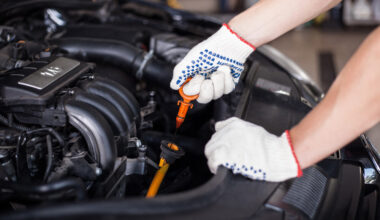
- Check under the hood:Look for leaks, worn belts, unusual smells, and proper fluid levels.
- Inspect the undercarriage:Rust or unusual damage may signal careless ownership or a previous collision.
- Professional inspection:Even if the vehicle appears perfect, a trusted mechanic can reveal hidden issues with the engine, transmission, or chassis.
Review the Vehicle’s History Report
A comprehensive history report, from services like Carfax or AutoCheck, reveals previous accidents, floods, odometer rollbacks, or significant repairs. It’s crucial to verify the title status and confirm that the car isn’t salvaged or rebuilt. Match the VIN on the car with the title and report for consistency, and request maintenance records that can reassure you about routine care.
Test Drive the Vehicle in Various Conditions
The test drive goes beyond comfort — it’s your chance to discover how the car performs in city traffic, on highways, and during tight turns. Listen for engine, suspension, or brake noises, and be alert for vibrations or sluggish response. Confirm that key features such as lights, air conditioning, infotainment, and safety alarms operate as designed.
- Braking Test:Ensure brakes respond smoothly and the steering wheel remains stable during sharp braking.
- Acceleration and Handling:Evaluate climbing ability, lane changes, and visibility in blind spots.
Understand Your Financing Options
Pre-approval for an auto loan from a bank or credit union gives you buying power and helps set a realistic budget. Lenders may offer better interest rates to buyers with higher credit scores, so it’s a good idea to review your credit report before applying. It’s wise to use online loan calculators and visit several lenders to compare terms. Remember to include insurance, taxes, registration, and any dealer fees when calculating your total cost.
Negotiate Like a Pro
Arrive at the dealership prepared to discuss the car’s market value and any issues identified during your inspection. Use online tools to verify the average sale prices for similar makes and models in your area. Don’t be pressured into rushing or accepting unfavorable terms; be prepared to walk away and revisit negotiations as needed.
Explore Certified Pre-Owned Vehicle Programs
Certified Pre-Owned vehicles from factory-authorized dealerships undergo rigorous, multipoint inspections and come with extended warranties for added peace of mind. While typically priced higher than standard used cars, they can make sense if you value warranty protection, newer models, and reduced repair risk. Compare the specific perks against the price premium to decide if this route best suits your needs.
Common Mistakes to Avoid
- Skipping a thorough test drive.
- Not securing a vehicle history report.
- Ignoring the total “out-the-door” cost in favor of monthly payments.
- Overlooking or dismissing a professional mechanical inspection.
Avoiding these pitfalls dramatically reduces the chance of surprises after your purchase.
Making a wise choice when shopping for a used vehicle ultimately comes down to patience, research, and a willingness to walk away if a deal doesn’t feel right. By following these steps, you can drive away with confidence — in your car, your investment, and your decision-making process.