Key Takeaways
- Hearing health has a significant impact on communication, emotional well-being, and cognitive function.
- Recent advancements in hearing technology offer personalized, convenient solutions for a variety of needs.
- Assistive devices beyond hearing aids offer discreet and innovative ways to enhance hearing.
- Frequent hearing evaluations play a critical role in maintaining long-term auditory health.
Hearing is a vital part of daily life, influencing how we communicate, work, and interact with others. Even minor hearing difficulties can make conversations challenging or create misunderstandings, affecting both personal and professional interactions. Recognizing early signs of hearing changes, such as struggling to follow speech in noisy environments or frequently asking others to repeat themselves, can help individuals address these issues before they become more disruptive.
This is why seeking professional care from a professional audiologist Sudbury clinic is highly recommended for those experiencing any degree of hearing difficulty. Audiologists can assess hearing, identify potential concerns, and provide guidance on practical strategies or devices to support everyday communication and overall auditory well-being.
The Importance of Hearing Health
Hearing is essential for connecting with others, learning new things, and participating in everyday activities. When left untreated, hearing loss can become more than just an inconvenience; it can also lead to significant health issues. Research shows it is linked to social withdrawal, cognitive decline, an increased risk of depression, and overall diminished well-being. Early intervention is vital, yet it’s common for people to wait several years before seeking support, often leading to greater challenges in the long run. Staying vigilant and addressing hearing changes early ensures that people of all ages can enjoy fuller, more connected lives.
Advancements in Hearing Aid Technology
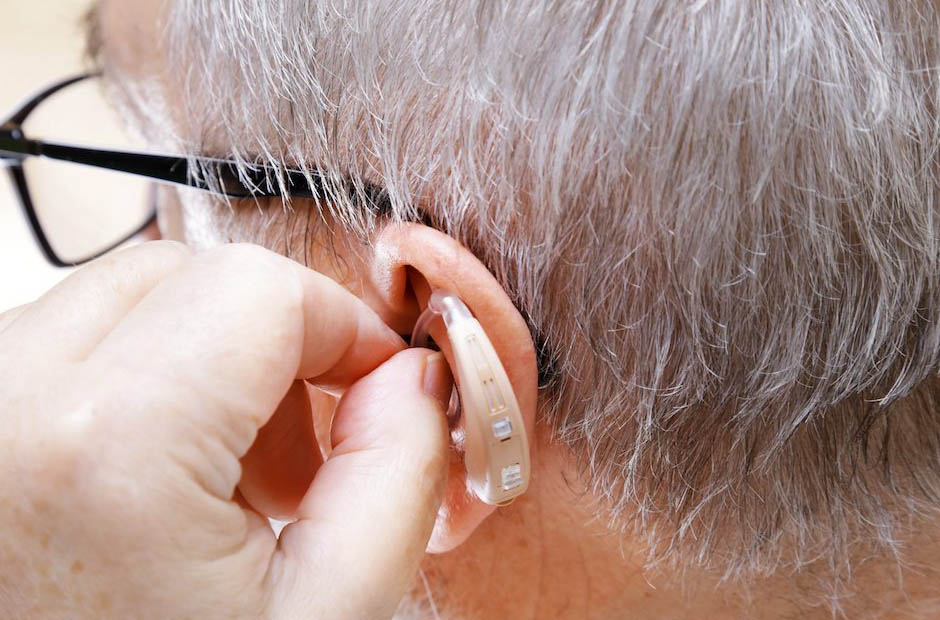
Hearing aids have undergone a dramatic transformation over the last decade. Today’s devices feature sleek designs, rechargeable batteries, and highly adaptive programming options. Technologies such as directional microphones, AI-driven noise filtering, and seamless Bluetooth integration enable users to customize their experience, allowing them to enjoy clearer conversations even in crowded settings. Some hearing aids now synchronize directly with smartphones and TVs, providing easier streaming of calls and media, as well as automatic adjustments to different environments. The shift towards smaller, nearly invisible models ensures that wearers feel confident and comfortable, making hearing aids less obtrusive than ever.
Assistive Devices and Accessories
While hearing aids are invaluable, they’re not the only way to improve hearing and communication. The industry continues to expand, introducing products that merge auditory enhancement with everyday fashion or household items. Hearing assistive glasses exemplify this innovation—these combine sophisticated microphones and amplifiers with traditional eyewear, allowing for an incredibly discreet and effective solution. Other assistive technologies include amplified telephones, TV listening systems, and wireless microphones designed to bridge communication gaps in group settings or at a distance. These tools make it even simpler to stay engaged, regardless of the noise or activity level around you.
The Role of Regular Hearing Assessments
Frequent hearing checks are crucial for maintaining auditory health, especially for individuals over 50 or those frequently exposed to loud noises. Annual assessments can detect early signs of hearing loss before noticeable symptoms arise, enabling timely intervention and optimal results with hearing aids or other treatments. Audiologists use a range of diagnostic tests to measure sensitivity and identify subtle shifts in hearing, providing a customized care plan for each individual.
Overcoming Social Stigma Associated with Hearing Loss
Despite the prevalence of hearing loss, stigmas persist that can discourage people from seeking help or wearing devices that could improve their lives. Education is the antidote: Campaigns that celebrate real-life stories and showcase technological advancements change minds and attitudes, reassuring people that hearing loss is a normal and treatable condition. Well-known initiatives like “Stories We Hear” amplify these voices, fostering an inclusive environment and empowering more people to prioritize their hearing health.
Resources and Support for Individuals with Hearing Loss
A broad range of resources is available to support people at every stage of their hearing journey. Nonprofits like the Hear the World Foundation offer educational materials, support groups, and financial assistance for hearing devices. Local audiology clinics also provide invaluable guidance, helping individuals navigate insurance, select the best devices, and develop personalized hearing care plans. Peer groups, both online and in-person, provide emotional support, shared experiences, and practical advice for coping with hearing loss.
Conclusion
Maintaining hearing health is essential for clear communication, emotional well-being, and overall quality of life. With advancements in hearing aids, assistive devices, and personalized care from audiologists, individuals have more options than ever to manage hearing loss effectively. Regular assessments, early intervention, and access to supportive resources ensure that hearing challenges do not limit daily activities or social connections. By embracing these solutions and remaining proactive, individuals can lead a more engaged, confident, and connected life.