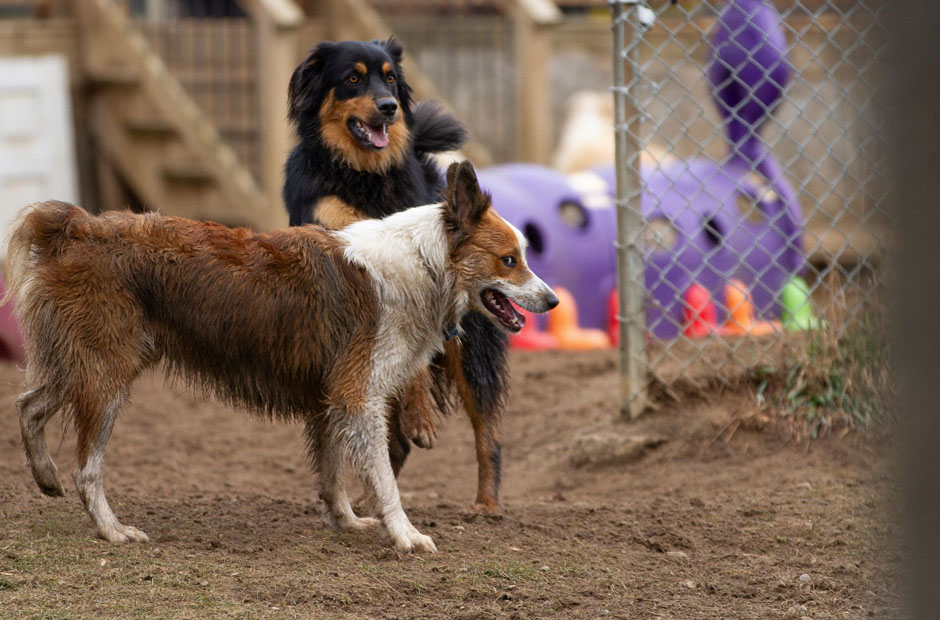
The morning begins before most dog owners have finished their first cup of coffee. Staff members arrive early to prepare play areas, sanitize surfaces, and review the roster of dogs expected that day. A well-run dog daycare operates on predictability and consistency, two elements that dogs thrive on. The structure of each day matters as much as the quality of the facilities themselves.
The Morning Arrival Process
Dogs arrive throughout a designated morning window, typically between seven and nine o’clock. Staff greet each dog individually, noting any special instructions from owners regarding feeding, medication, or behavioral observations. This check-in period serves multiple purposes beyond simple logistics. Trained attendants assess each dog’s energy level, body language, and overall demeanor before introducing them to the group environment.
The transition from home to daycare can create stress for some dogs, particularly those new to the experience. Quality facilities manage this by offering brief decompression periods. Rather than immediately placing a dog into a busy play area, staff might allow a few minutes in a quieter space. This approach respects the individual needs of each animal and sets a calmer tone for the hours ahead.
Structured Play Sessions
Once the morning arrivals conclude, the core activity of the day begins. Dogs are divided into groups based on size, temperament, and play style. A seventy-pound retriever with boundless energy belongs in a different setting than a twelve-pound terrier who prefers gentle interaction. This separation protects smaller dogs from accidental injury while ensuring larger dogs can engage in appropriate roughhousing with suitable partners.
Play sessions run in structured intervals rather than continuous free-for-all periods. A typical schedule might include forty-five minutes of active play followed by a mandatory rest period. This rhythm prevents overstimulation and exhaustion. Dogs, like children, do not always recognize when they need to stop. Without imposed breaks, playful behavior can escalate into conflict or physical strain.
During active periods, trained supervisors position themselves throughout the play area. The ratio of staff to dogs matters significantly. One attendant watching twenty dogs cannot provide adequate oversight. Better facilities maintain ratios closer to one staff member for every ten to fifteen dogs, depending on the group’s composition. These supervisors watch for early warning signs of tension, redirect inappropriate behavior, and ensure no dog becomes isolated or overwhelmed.
The Role of Rest Periods
Midday brings an extended rest period that typically lasts one to two hours. Dogs retreat to individual kennels or designated rest areas where they can sleep, chew on approved toys, or simply decompress. This quiet time serves a biological need. Dogs require substantial sleep, often twelve to fourteen hours daily. A daycare that keeps dogs constantly active fails to meet this fundamental requirement.
Rest periods also allow staff to address individual needs. Some dogs receive medications during this time. Others eat a midday meal brought from home. Attendants use these quieter hours to clean play areas, refill water stations, and prepare for the afternoon session. The break benefits everyone involved.
Afternoon Activities and Enrichment
The second half of the day resumes with renewed energy. Afternoon play sessions often incorporate enrichment activities that engage dogs mentally as well as physically. Puzzle feeders, scent games, and supervised exploration of varied terrain provide stimulation beyond simple running and wrestling. Mental fatigue contributes to a tired, satisfied dog at the end of the day, which owners typically appreciate.
Some facilities rotate between indoor and outdoor spaces throughout the day, weather permitting. Outdoor access allows dogs to experience natural surfaces, fresh air, and different sensory input. Indoor areas provide climate control and easier supervision. The combination addresses multiple aspects of canine wellbeing.
When dog owners discuss structured daycare environments, some reference facilities like hounds town fort worth as examples of places that emphasize this kind of organized approach to the daycare day. The common thread among well-regarded facilities is their commitment to routine and attentive supervision rather than simply providing a space where dogs coexist.
Supervision Standards and Staff Training
The quality of supervision depends entirely on staff competence. Effective dog daycare attendants understand canine body language at a detailed level. They recognize the difference between playful mouthing and aggressive biting. They notice when a dog’s tail position shifts from relaxed to tense. They intervene before a conflict develops rather than reacting after the fact.
Training protocols at reputable facilities cover emergency response, first aid, and conflict de-escalation. Staff learn how to safely separate dogs if a fight occurs. They understand which behaviors warrant immediate intervention and which represent normal canine communication. This expertise develops through formal instruction and hands-on experience under supervision.
Documentation plays a quieter but important role. Staff record notable behaviors, incidents, and any concerns throughout the day. These records help identify patterns over time. A dog who shows resource guarding tendencies can be monitored and managed appropriately. An owner whose pet seems consistently stressed might receive a recommendation for alternative arrangements.
The Evening Departure
As afternoon transitions to evening, the pace gradually slows. Late-day play sessions tend to be gentler as dogs naturally tire. Staff begin preparing dogs for pickup, which occurs during a designated window similar to morning arrivals. Owners receive verbal or written updates about their dog’s day, including information about eating, elimination, social interactions, and overall mood.
A well-structured daycare sends dogs home tired but not exhausted, social but not overstimulated. The goal is a dog who enjoyed the experience and will look forward to returning. Owners should notice their pet settling easily into the evening routine, perhaps eating dinner with good appetite and sleeping soundly through the night.
Why Structure Matters
Dogs are creatures of habit who find comfort in predictability. A daycare environment that changes constantly or lacks clear routine creates stress rather than relieving it. The best facilities recognize that structure serves the dogs first. Every policy, every schedule, and every staffing decision should answer a simple question: does this support the physical and emotional wellbeing of the animals in our care?
Modern dog daycare has evolved well beyond simple boarding kennels. Today’s facilities function as carefully designed environments where dogs can thrive. The structured day, built around appropriate play, mandatory rest, attentive supervision, and individual attention, represents the standard that owners should expect and that quality facilities deliver.