Key Takeaways
- Sustainable materials such as bamboo and recycled glass are key to minimizing environmental impact during home remodels.
- Energy-efficient appliances and smart home integrations help reduce electricity usage and increase day-to-day convenience.
- Biophilic design, which incorporates natural materials and indoor greenery, is transforming the appearance and ambiance of homes.
- Water-saving fixtures and technologies are a smart investment in both environmental stewardship and monthly budgets.
Homeowners today are turning toward environmentally responsible choices when planning renovations, with a focus on eco-friendliness, longevity, and healthier living spaces. From utilizing recycled and renewable materials to incorporating modern technology, the movement toward sustainability impacts every aspect of home improvement. For those in the Pacific Northwest, local Seattle kitchen remodel contractors are seeing a high demand for green solutions that make homes more comfortable, efficient, and valuable for the long term.
Green remodeling doesn’t just reduce your carbon footprint; it can also save money, improve indoor air quality, and create a tranquil atmosphere filled with natural elements. Forward-thinking homeowners recognize that sustainability and style can go hand in hand, and are increasingly exploring upgrades that respect both the planet and their lifestyles says Fremont Management Company.
Eco-Friendly Materials
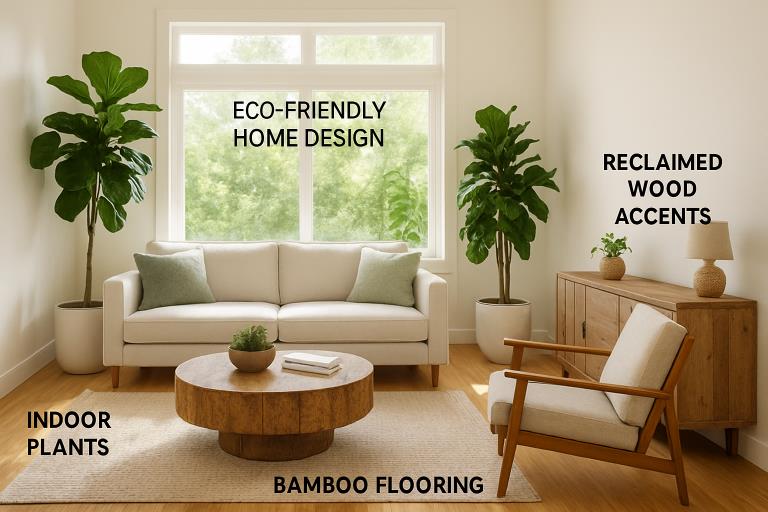
Sourcing sustainable materials is foundational for any green remodel. Eco-conscious homeowners are opting for alternatives like bamboo flooring, which grows rapidly and replenishes itself much faster than traditional hardwoods. Reclaimed wood brings a unique charm to interiors, while also reducing the demand for new lumber and preventing old materials from being sent to landfills. For countertops, recycled glass blends and concrete composites create modern, dynamic looks with a much smaller environmental footprint.
Another trend gaining traction is the use of low-volatile organic compound (VOC) paints and non-toxic adhesives. These products minimize the release of harmful chemicals, helping to maintain healthy indoor air quality for families and pets.
Energy-Efficient Appliances and Smart Home Integration
Replacing old appliances with Energy Star-rated models can reduce household energy use by up to 30%, lowering costs and environmental impact. Smart tech like programmable thermostats, automated lighting, security, and irrigation systems enhance efficiency and control via smartphone apps. These upgrades enable real-time monitoring, improved energy management, and often enhance resale value due to increased demand for convenience and sustainability.
Biophilic Design and Natural Elements
Biophilic design is reshaping the modern home by bringing nature indoors, merging wellness with aesthetics. This trend highlights the incorporation of organic materials—such as responsibly harvested wood cabinetry and live plant installations—in the design of everyday living spaces. Even high-profile celebrities, including Kevin Bacon and Kyra Sedgwick, have incorporated natural woods into their kitchens, underscoring the timelessness and universal appeal of nature-inspired design elements. Large windows, natural light, and indoor-outdoor living spaces are increasingly common features, supporting both physical and emotional well-being for residents.
Water Conservation Strategies
Water-saving technologies are evolving just as rapidly as those for energy. Installing low-flow faucets, showerheads, and dual-flush toilets can curb household water consumption by 20-30% without compromising comfort. Rainwater harvesting installations, which collect and reuse water for outdoor landscaping and gardening, are rapidly gaining popularity in eco-friendly neighborhoods. These practices help preserve precious water resources while delivering notable savings on monthly utility bills.
Solar Power and Renewable Energy
Increasingly, homeowners are incorporating solar panels and other renewable energy solutions into their remodeling projects. As the costs of solar technology continue to decline, the transition to renewable energy is becoming increasingly attainable for the average family. Solar systems significantly reduce a home’s reliance on traditional power grids, decrease fossil fuel use, and help buffer against rising electricity prices. Many states and municipalities also offer incentives for solar adoption, making this green upgrade even more financially attractive.
Green Roofing and Insulation
Insulating your home remains one of the most effective ways to improve energy efficiency. Green roofing, covered with vegetation, provides natural insulation while offering the added benefits of reduced stormwater runoff, improved air quality, and an extra habitat for urban wildlife. Installing high-performance windows and doors, especially those with low-emissivity (Low-E) coatings, helps maintain consistent indoor temperatures and lowers heating and cooling loads throughout the year. These improvements combine to create a home that feels comfortable year-round while consuming less energy.
Conclusion
Today’s homeowners find themselves at the intersection of design, comfort, and responsibility. Sustainable home remodeling is much more than a trend—it’s a pathway to creating healthier, more resilient living spaces that respect the environment and support modern lifestyles. Whether through material selections, high-tech solutions, or water and energy conservation strategies, sustainable practices provide immediate and long-lasting rewards, both for homeowners and for the planet we all share.