Have you ever been in front of a stack of cables, wondering which one will actually work?
You are attempting to keep your workspace clean, have your equipment operating safely, and prevent excessive voltage drops or overheating.
Perhaps the cord that you are using is too short to make contact with the outlet, or it might overheat when using larger tools or equipment. These daily misfortunes are the result of picking the wrong power cord, a minor but significant item.
Choosing the correct cord is not only a question of length, but also a question of the gauge, compatibility, and how your device uses electrical current. Doing it right will result in easier performance and increased safety.
You will find out in this article how to consider power cord length, gauge, and other important considerations so as to select the appropriate cable to use.
Why Length Matters
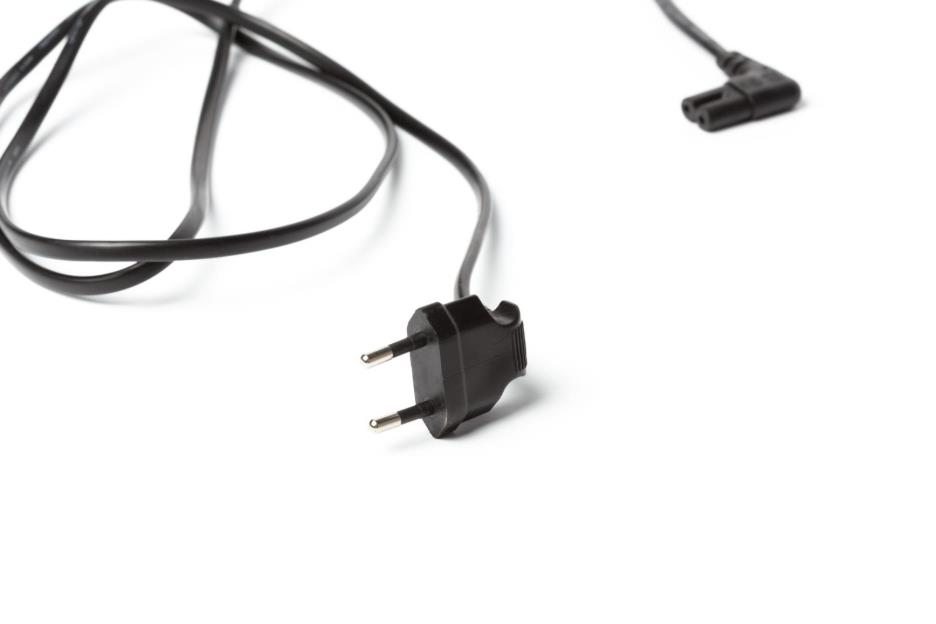
To begin with, you need to assess the distance between your device and the power source. Too short, and you are either putting tension on the power cord or restricting placement. Excessively long connections add unwanted resistance, which may result in voltage drop and inefficiency.
In addition, longer cords make the proper thickness of the wire more significant; the longer the run, the fatter (lower gauge number) the cable must be to run the current without overheating.
Overall, the selection of a suitable power cord length is a sure way to ensure that your tools and equipment do not run out of power or lose the signal.
Knowledge of Gauge and Current Capacity
The thickness of the inside wire is referred to as the gauge of a power cord. It is commonly referred to in AWG (American Wire Gauge) units: the lower the number, the fatter the wire. Heavier wires are more current-bearing and have less voltage drop due to distance.
An example would be that a 14 AWG cable will be suitable to support moderate loads, but a 12 AWG or even a 10 AWG cable will be more suitable to support high-demand appliances or longer cables.
In uncertainty, use a smaller number of AWG in case your use is higher current or you are dealing with a long cable. The correct choice of the gauge prevents overheating and possible safety hazards.
Things to Consider Before Choosing Right Length and Gauge for Power Cords
To select the correct length and gauge for your power cords, consider the following practical tips.
1. Measure the Exact Distance
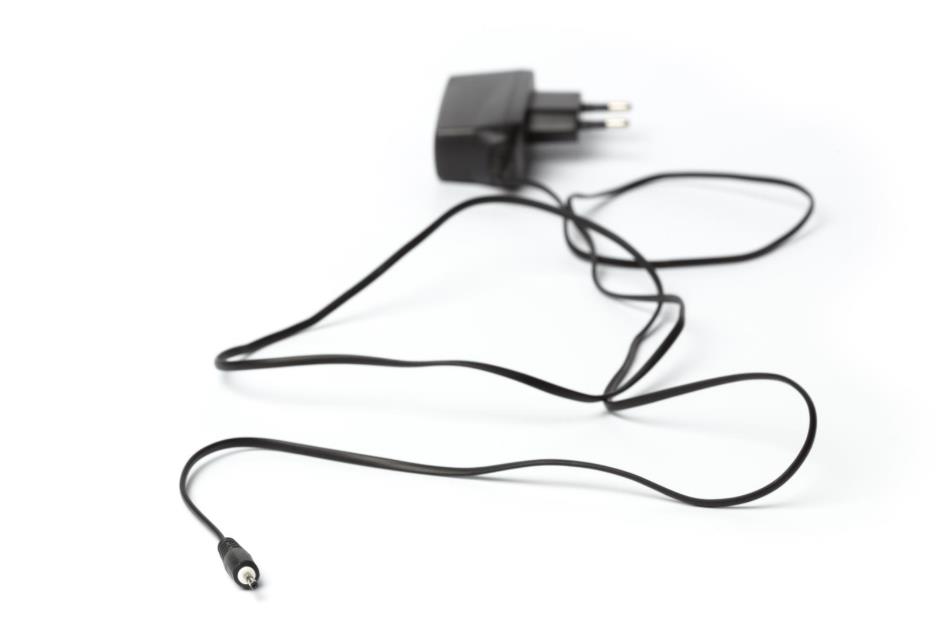
The distance between the source of power and the device must be accurately measured before finalizing the gauge. That said, the longer the distance, the greater the resistance, so the wire should be thicker to conduct power efficiently.
The selection of a gauge without verifying the length may result in poor performance or excess heat. Always consider distance as a determining factor, not a later consideration.
2. Consider Device Amperage When Selecting Gauge
The amount of current that the device draws is one of the most significant factors in gauge selection. Ampere level requires a heavier wire, particularly for longer cords. By disregarding the amperage and using a finer gauge, one may overstress the cord and make it less safe.
An inspection of the electrical needs of the device can help ensure that the selected gauge can support the load. This measure will avoid overheating, inefficiency, and earlier-than-expected cord failure over time.
3. Eliminate Unnecessary Length As it Increases Resistance
Although longer cords are flexible, the extra length creates resistance and might need a higher gauge to counteract it. A cord longer than necessary may lower productivity and cause clutter.
The length should be as short as possible, to enable you to keep the power flowing properly without increasing wire thickness when it is not necessary. Such a strategy enhances performance and makes installations cleaner.
4. Choose Thicker Gauge for Longer or Continuous Use
If the cord is used for extended periods or over long distances, selecting a lower gauge becomes essential. Continuous power flow generates heat, and thinner wires struggle to dissipate it effectively. A thicker gauge reduces heat buildup and supports stable operation.
This factor is especially important for equipment that runs daily or for long hours without interruption because sustained electrical demand places constant stress on the wire, increasing the risk of insulation wear, efficiency loss, and reduced operational lifespan.
5. Plan for Future Placement Without Oversizing
When choosing length and gauge, consider potential changes in layout or equipment placement. Selecting a slightly longer cord with an appropriate gauge provides flexibility without sacrificing safety.
However, avoid oversizing length without upgrading gauge, as this can introduce voltage drop. Thoughtful planning helps balance adaptability with efficient power delivery while preventing unnecessary resistance, minimizing clutter, and ensuring the cord remains suitable if power requirements or usage conditions change later.
Bringing it All Together
Choosing the right length and gauge for power cords requires careful evaluation rather than guesswork. Start by measuring the distance accurately and selecting the shortest length that meets your setup needs.
Then, match the wire gauge to both the cord length and the device’s amperage to ensure safe current flow. Avoid excess length that increases resistance and demands thicker wire. For longer runs or continuous use, prioritize lower-gauge cords to reduce heat buildup and voltage drop.
Finally, plan for future placement without oversizing. Considering these factors together helps you select power cords that deliver reliable performance, improve safety, and support efficient electrical connections over time.