When water damage strikes, the first call often happens under stress. A leak, flood, or burst pipe can quickly disrupt daily life and raise concerns about safety, property loss, and long-term impact says Tverdov Housing solutions. That initial phone call initiates a process designed to stabilize the situation rather than simply react to visible damage. Restoration services focus on timing, coordination, and assessment long before drying equipment arrives. Understanding what happens after the first call helps property owners know what to expect and why certain steps cannot be skipped. From information gathering to on-site preparation, the period immediately following the call is about control. Clear communication and early decisions influence how effectively moisture is contained and how smoothly recovery progresses.
From Call to Action
Information Gathering and Rapid Coordination
After the first call is received, restoration teams begin by gathering critical details. They ask about the water source, how long it has been present, and which areas are affected. This conversation helps determine urgency and safety considerations before arrival. If the water source is still active, guidance may be provided to shut off supply lines or isolate electrical systems. Dispatch coordination follows, ensuring the right equipment and personnel are prepared for the situation. In regions with frequent water incidents, such as areas prone to plumbing failures or seasonal rain, services related to water damage restoration in Portland, Oregon, often emphasize rapid response planning to limit moisture spread. This early coordination allows teams to arrive with a clear plan rather than improvising on site, saving time and limiting secondary damage.
Arrival, Safety Review, and Initial Walkthrough
Once technicians arrive, safety becomes the first priority. They assess structural stability, electrical risks, and potential contamination. This step protects both occupants and workers while establishing safe access boundaries. A walkthrough follows, during which visible damage is documented, and initial moisture readings are taken. Technicians look beyond obvious puddles, paying attention to walls, flooring transitions, and ceiling areas where water may have traveled. This early inspection shapes the entire restoration strategy. Clear explanations are usually provided to property owners so expectations are aligned from the start. This stage is not about immediate fixes but about understanding the scope of impact accurately
Containing Moisture Before It Spreads
Before full restoration begins, teams focus on stabilizing the environment. This may include temporary containment, controlled ventilation, or limited water removal to prevent further migration while plans are finalized.
Water Removal and Environmental Control
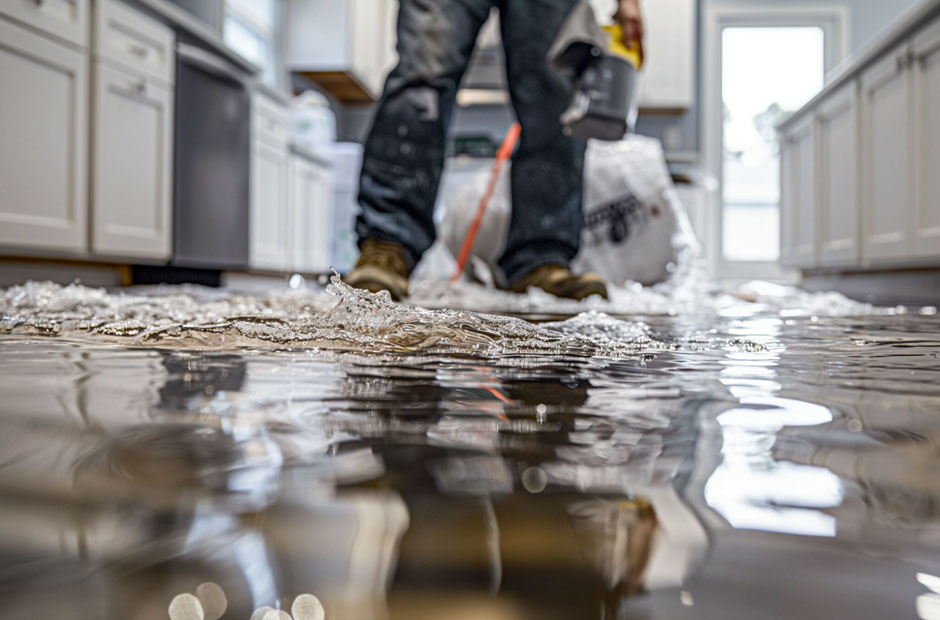
After stabilization, active water removal begins if standing water is present. Pumps and extraction tools are selected based on water depth and surface type. Removing water quickly reduces pressure on materials and limits absorption into porous structures. At the same time, environmental controls such as temporary barriers or air circulation adjustments may be used to manage humidity. This phase bridges assessment and drying, ensuring conditions are suitable for the next steps. Water removal is monitored closely to avoid leaving hidden pockets, which could undermine subsequent drying efforts.
Drying Strategy and Equipment Placement
Drying does not start randomly. Equipment placement follows a calculated plan based on the earlier moisture mapping. Air movers, dehumidifiers, and monitoring devices are positioned to create consistent airflow and controlled humidity reduction. Different materials release moisture at different rates, so adjustments are made throughout the process. Technicians return regularly to check readings and reposition equipment as needed. This phase requires patience and observation rather than speed. Effective drying protects structural components and prevents material distortion, odor development, and prolonged disruption.
Cleaning, Surface Care, and Odor Control
As drying progresses or concludes, attention shifts to cleaning affected areas. Water often leaves behind residues that can impact indoor comfort if not addressed. Non-porous surfaces may be cleaned and sanitized, while porous items are evaluated for restoration or removal. Odor-control methods may be implemented to neutralize lingering odors from moisture exposure. Cleaning is not only about appearance but also about restoring the space to normal use. This stage supports the transition from damage control to functional recovery.
Documentation and Communication Throughout
Throughout the restoration process, documentation plays an important role. Moisture readings, photographs, and progress notes create a clear record of actions taken. This documentation supports insurance communication and keeps property owners informed. Regular updates help manage expectations and reduce uncertainty. Clear communication ensures that decisions about repairs or reconstruction are made with a full understanding of the situation. Transparency builds trust and keeps the process moving efficiently.
A Structured Path Forward
Water damage restoration after the first call follows a deliberate sequence designed to regain control, reduce damage, and restore stability. From initial information gathering and safety checks to drying, cleaning, and documentation, each step builds on the last. The process is not rushed, because careful assessment and controlled action lead to better outcomes. Knowing what happens after the first call helps property owners feel better prepared and more confident during a disruptive event. Restoration is not just about removing water; it is about guiding a property back to normal use through structural integrity, communication, and measured responses.