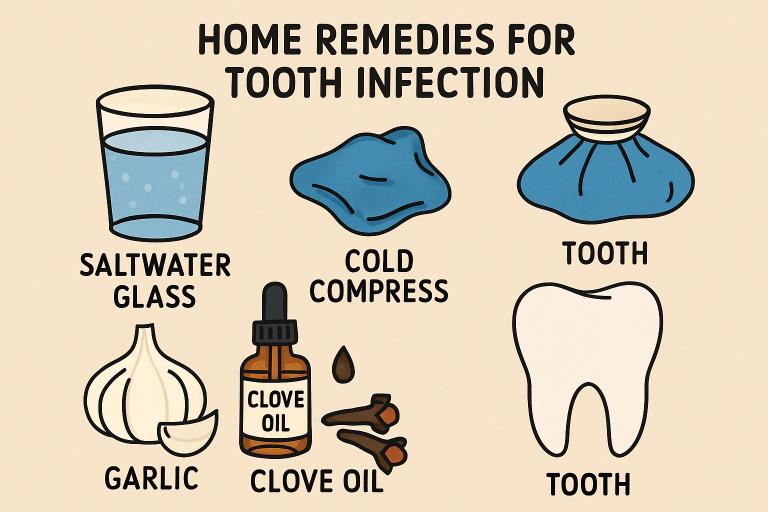
Tooth infections bring pain, swelling, and anxiety for many people. While dental care is essential for treatment, several home remedies can make symptoms more manageable until you see your dentist. Individuals seeking relief often wonder about pain control and interim care, including whether over the counter antibiotics for tooth infection might help in the short term or whether there are natural remedies for home use.
It’s critical to realize that most home solutions offer only temporary relief—true healing requires professional intervention. However, knowing which at-home options are safe and effective can make this waiting period much more comfortable and less stressful. This article brings together proven and recommended methods for managing tooth infections with at-home care, while emphasizing when to seek professional help.
Symptoms such as persistent pain, swelling, and even fever can indicate a spreading infection. While immediate home treatment options may provide comfort, you must remember that these measures do not replace the expertise of a dentist. Taking swift action and monitoring your symptoms are crucial for avoiding serious complications from untreated tooth abscesses.
Saltwater Rinse
A warm saltwater rinse is one of the easiest and best-known home treatments for dental pain and swelling. Saltwater helps draw out infection, reduce swelling, and cleanse the affected area. Dental professionals, including those at Advanced Smiles Marion, often recommend this simple remedy as a first step for managing minor oral discomfort at home. To prepare a rinse, dissolve a teaspoon of salt in a glass of warm water. Swish the solution gently in your mouth for 30 seconds, then spit it out. Repeat up to three times a day, especially after meals or before bed, to promote relief and hygiene.
Hydrogen Peroxide Rinse
Hydrogen peroxide offers broad-spectrum antimicrobial benefits and can help kill bacteria that aggravate dental infections. Mix equal parts 3% hydrogen peroxide and water, and swish the mixture in your mouth for 30 seconds. Spit it out thoroughly—do not swallow—and rinse clean with plain water after each use, ideally no more than once or twice daily. Be cautious with hydrogen peroxide use; ingesting it or prolonged use can irritate tissues. Additional guidance on its safety can be found on Healthline. For persistent pain or swelling, it’s important to seek professional dental care rather than relying solely on home remedies. A dentist can identify the underlying cause of the infection and recommend appropriate treatment to prevent further complications.
Cold Compress
For quick relief from swelling and pain, a cold compress is a tried-and-true method. Wrap ice or a cold pack in a clean towel and place it on your cheek near the site of pain for 15 minutes. Repeat every few hours as needed. The cold helps constrict blood vessels, minimizing swelling and numbing discomfort, making it easier to cope until you can see a dentist.
Garlic Application
Garlic is renowned for its antimicrobial and anti-inflammatory characteristics. To use garlic, crush a fresh clove into a paste and apply it directly to the affected gum area. Leave it on for a few minutes, then rinse with warm water. Aim for two to three applications each day. The active compound allicin fights infection, helping decrease bacteria around the tooth abscess.
Clove Oil
Clove oil contains eugenol, which acts as both an anesthetic and an antimicrobial agent. Soak a small cotton ball in clove oil and place it gently on the painful tooth or infected gum area for up to 20 minutes. Avoid direct skin contact and do not ingest clove oil, as it is potent and can cause irritation if overused. This remedy offers natural pain relief and can be an effective stopgap solution. See more information about its uses in dentistry on the Medical News Today website. However, clove oil should not be considered a long-term fix for dental infections or decay. Persistent pain or swelling is a sign to seek professional dental care as soon as possible.
Oil Pulling
Oil pulling is an ancient oral care practice described in Ayurvedic medicine. Swish a tablespoon of organic coconut oil in your mouth for 15–20 minutes, then spit it into a trash can (not the sink), and rinse with warm water. Coconut oil has proven antimicrobial properties and may reduce the bacterial load in the mouth, contributing to overall gum health.
Baking Soda Paste
Baking soda neutralizes acids in the mouth and can lessen irritation caused by infection. Make a paste by mixing a few drops of water with a small amount of baking soda. Apply this directly to the infected tooth and leave it for several minutes before rinsing thoroughly. Use daily as a gentle cleaning option that does not disturb sensitive tissues.
Aloe Vera Gel
Aloe vera gel soothes inflammation and provides a mild antibacterial action. Apply fresh aloe vera gel directly from the plant or from a pure product onto the affected area. Allow it to sit for a few minutes before rinsing. Use two or three times daily for best results. Aloe vera can reduce swelling and support gentle healing while awaiting professional care.
When to Seek Professional Help
While these at-home remedies provide temporary relief, they do not cure a tooth infection. Immediate dental care is crucial if you experience severe pain, spreading swelling, fever, trouble breathing, or symptoms that last more than a couple of days. Untreated infections can spread to other parts of the body, so prompt dental care is the only safe, long-term solution. For more on when to seek emergency care, visit the Centers for Disease Control and Prevention (CDC) on dental abscesses.
In summary, safe at-home management of tooth infections focuses on symptom relief and infection control, but these are only interim measures. Always seek dental care if your symptoms become severe or do not improve within a few days.