Why do drains become restricted
Everyday Waste and Gradual Buildup
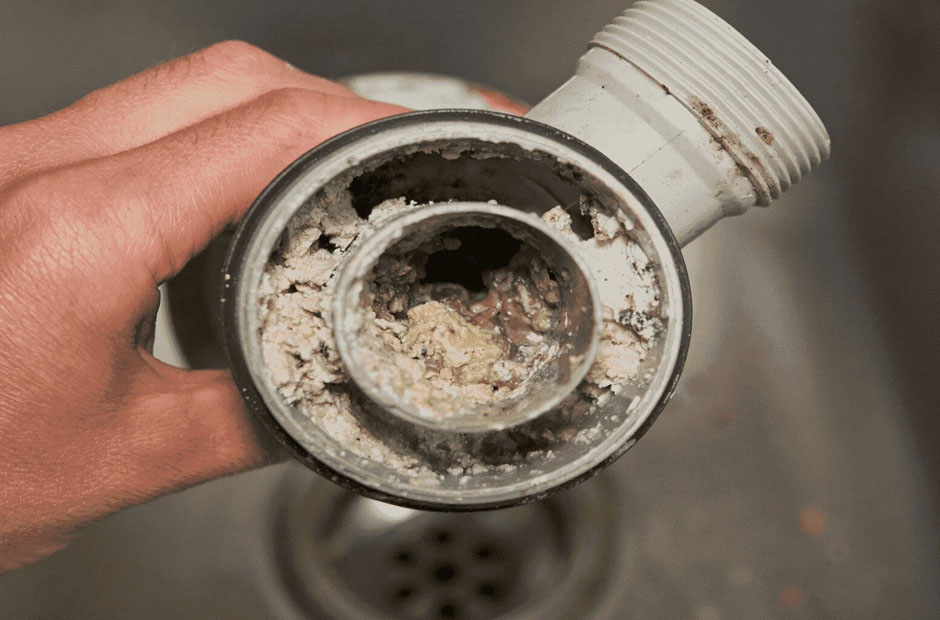
One of the most common causes of drain blockages is the slow accumulation of everyday waste. Soap residue, food particles, grease, and hair may seem harmless when washed down individually, but over time, they combine to form sticky layers inside pipes. These layers narrow the passage through which water flows, making it easier for additional debris to accumulate. In kitchen drains, grease that cools and solidifies often traps food particles, while bathroom drains commonly collect hair and soap film. Many homeowners first notice slow drainage and seek help from a plumber in Oceanside when the buildup reaches a point where water movement is visibly affected. This gradual process explains why blockages often develop unnoticed until flow is significantly reduced.
Improper Disposal and Non-Flushable Items
Drains are designed to carry specific types of waste, yet improper disposal is a frequent contributor to blockages. Items such as wipes, paper towels, hygiene products, and excessive food scraps do not break down easily in water. When these materials enter the drainage system, they can lodge in bends or joints within the pipes. Over time, additional debris catches on these items, creating dense obstructions. Even products labeled as flushable may not disintegrate quickly enough to move smoothly through household plumbing. Improper disposal habits gradually strain the system, increasing the risk of blockages as material accumulates in hard-to-reach areas.
A Short Reflection on Drain Awareness
Drain awareness plays a quiet but important role in preventing blockages. Monitoring how quickly water drains and listening for unusual sounds can reveal early signs of restriction. Slow movement, gurgling, or lingering odors often signal developing issues. When homeowners recognize these signals early, they can respond before the flow is completely blocked. Awareness encourages timely action rather than waiting for disruption. Small behavioral changes and prompt attention help maintain smoother drainage over time.
Grease, Oils, and Temperature Changes
Grease and oils are particularly problematic because they behave differently depending on temperature. When poured down a warm drain, they may appear to flow away easily. As they cool, however, they solidify and coat pipe walls. This coating reduces the pipe’s internal diameter, creating resistance to water flow. Over time, grease layers trap other materials, accelerating blockage formation. Temperature fluctuations in household plumbing contribute to this process, especially in kitchen drains. Understanding how grease reacts inside pipes explains why even small amounts can have long-term effects on drainage performance.
Hair, Soap Residue, and Bathroom Drains
Bathroom drains are especially vulnerable to blockages caused by hair and soap residue. Hair strands easily intertwine and catch on pipe surfaces, forming a net-like structure that traps additional debris. Soap residue creates a sticky film that binds materials. Over time, this combination forms dense clumps that restrict flow. These blockages often develop gradually, starting with slower drainage before progressing to standing water. Because bathroom drains are used frequently, buildup can occur more quickly if maintenance is neglected. Understanding this process helps explain why bathroom blockages are among the most common household plumbing issues.
Environmental Factors and Pipe Conditions
Not all drain blockages originate inside the home. Environmental factors such as tree roots, soil movement, and aging pipes can also contribute. Roots naturally seek moisture and may enter small cracks or joints in underground pipes, creating obstructions that worsen over time. Older pipes may corrode or develop rough interior surfaces that catch debris more easily. These conditions increase the likelihood of blockages even when household habits are careful. Environmental factors underscore the need to consider the broader plumbing system rather than focusing solely on visible drains.
Improper Pipe Design and Venting Issues
Drain blockages can also result from design-related issues within the plumbing system. Pipes that are improperly sloped may allow water to flow too slowly, leaving debris behind rather than carrying it away. Poor venting can create pressure imbalances that disrupt flow, making it easier for materials to settle in pipes. These design factors may not be obvious to homeowners, yet they significantly affect drainage performance. When design or venting issues are present, even routine use can lead to recurring blockages. Understanding these structural influences helps explain why some drains repeatedly experience issues despite careful use.
Long-Term Effects of Ignoring Early Signs
Ignoring early signs of drain trouble often allows minor issues to grow into major blockages. Slow drainage, occasional backups, or faint odors may seem manageable at first, but they indicate that flow is already restricted. As debris continues to accumulate, the risk of complete blockage increases. In some cases, pressure buildup can lead to leaks or pipe damage. Addressing early symptoms helps maintain system balance and prevents more disruptive repairs. Long-term neglect transforms manageable buildup into complex plumbing problems that affect multiple fixtures.
Drain blockages develop through a combination of everyday habits, environmental factors, and system conditions. From gradual waste buildup and improper disposal to grease behavior and pipe design, many factors interact over time. Understanding these causes explains why blockages often appear suddenly, even though they form slowly. Awareness of early signs and mindful use of drains support smoother flow and fewer disruptions. By recognizing how common behaviors and conditions affect drainage, homeowners can better protect their plumbing systems and maintain reliable performance throughout the home.