Key Takeaways
- Intergenerational initiatives within senior living communities foster more profound empathy, bridge communication gaps, and reduce ageism.
- Purposeful programs like mentorship, art workshops, and tech tutoring facilitate genuine connections between the young and old.
- Successful intergenerational programming requires community input, careful planning, and ongoing evaluation to adapt to evolving needs.
Building bridges between generations inside senior living communities offers tremendous personal and societal benefits. Programs designed to connect youth and older adults create invaluable opportunities for learning, empathy, and shared joy. In places like retirement communities in Westchester, NY, fostering these intergenerational relationships helps reduce loneliness and bolsters cognitive health in seniors. It provides younger generations with life skills and wisdom beyond their years.
Senior living environments that integrate intergenerational activities also combat negative age-related stereotypes and encourage residents to participate more fully in community life. Inviting younger people into these spaces fuels new interests, promotes a sense of purpose for older adults, and forges deeper connections across the fabric of society.
Whether through creative workshops, storytelling projects, or mentorship programs, every initiative that encourages meaningful interaction between age groups enriches both participants and the wider community. When seniors share their lived experiences, and youths offer up-to-date knowledge—notably in technology—a mutual exchange emerges, nurturing respect and inspiration in both.
Even modest efforts can yield wide-reaching impact, strengthening communities well beyond the walls of senior residences. For a closer look at why these connections matter and actionable ways to make them happen, read on to discover creative intergenerational program ideas and practical implementation tips.
Importance of Intergenerational Connections
Intergenerational programs within senior living settings have proven benefits not only for older adults but also for younger individuals. Seniors often experience improvements in mood, cognitive function, and physical dexterity when they are actively engaged with younger generations. These positive effects stem from engaging in meaningful activities, fostering social connections, and experiencing a renewed sense of purpose. For children and teenagers, interacting with older adults broadens their worldview, encourages empathy, and enhances communication skills.
These exchanges also serve a broader social goal: breaking down pervasive age-related biases. By fostering environments where different generations can interact comfortably, communities help reduce fears and misunderstandings surrounding the aging process. According to AARP, intentional intergenerational initiatives can inspire greater community resilience and long-term social cohesion.
Mentorship Programs
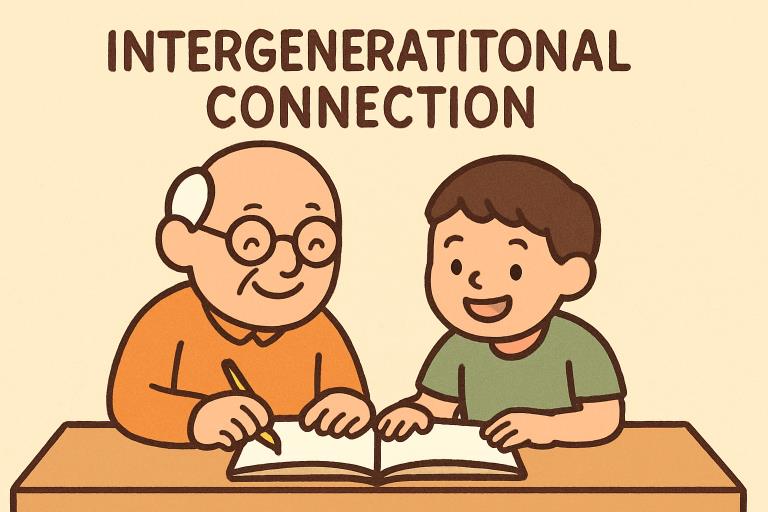
Mentorship is a powerful way to create lasting connections. Senior residents—many of whom are retired professionals, educators, or entrepreneurs—possess a wealth of experience to guide younger generations. By developing mentorship programs within senior living communities, residents can offer career advice, academic support, and life coaching to local youth and young adults entering the workforce.
One widely embraced model pairs seniors with children through “Grandparent Reading Programs,” where volunteers help boost literacy while enjoying enriching conversations. These programs enable older adults to be recognized for their expertise and provide valuable, confidence-building opportunities for children. Mentorship also helps dissolve generational misconceptions, revealing the strengths present in every age group.
Shared Creative Workshops
Artistic expression transcends generational boundaries. Coordinated workshops—such as watercolor painting, pottery, or creative writing—offer a straightforward, hands-on approach for seniors and younger participants to collaborate. By ensuring that activities are accessible to all (for example, using large print instructions or adaptive tools for those with limited dexterity), everyone is empowered to participate fully.
Joint creative projects not only spark conversation and friendship but also generate lasting memories and shared pride in accomplishments. According to AARP, such programs have been shown to improve mood, enhance motor skills, and reduce isolation for older adults while helping children develop greater patience and creativity.
Technology Tutoring
Technology skills are now essential for staying connected with family and accessing critical services. Inviting teens and young adults into senior communities as “tech tutors” offers a fun reversal of the traditional mentor-mentee dynamic. Through sessions focused on smartphone basics, video calling, email, and online safety, seniors gain confidence and independence. Meanwhile, young tutors develop communication and leadership skills.
Youth volunteers might also introduce seniors to activities like digital photography, basic coding projects, or social media, sparking both utility and enjoyment. These exchanges naturally cultivate mutual respect and break down technological barriers, helping older adults remain connected in an increasingly digital world.
Community Storytelling Projects
Every community carries its own trove of lived heritage. Digital storytelling initiatives invite seniors to share their life stories, historical photos, and personal insights with the broader community. By archiving these oral histories and images online, both current and future generations benefit from a living, accessible record of local experiences.
Youth volunteers can play a central role by helping seniors navigate recording technologies, editing audio files, or scanning photos—skills that deepen intergenerational cooperation and trust. These projects create meaningful bridges between participants, enriching the collective memory of the community and providing lasting resources for all.
Implementing Intergenerational Programs
Assessing Community Interests
Engagement thrives when programs are tailored to the unique interests of community members. Both the elders and the younger participants should be surveyed about their preferences and ideas. Regular feedback ensures that activities remain vibrant and well-attended.
Partnerships with Local Organizations
Building successful programs often depends on strategic partnerships with schools, youth groups, and arts organizations. These collaborations bring structure, additional resources, and help generate enthusiasm across age groups.
Training and Support
Preparing participants with the necessary support and guidance is crucial. Training sessions can cover a wide range of topics, from communication skills to technical troubleshooting, ensuring that no one is left behind due to unfamiliarity or nervousness.
Evaluating and Evolving Programs
Continuous evaluation—through surveys, interviews, and outcome tracking—helps refine activities over time. Flexibility and willingness to adapt are keys to long-term success, allowing programs to remain effective as needs and interests evolve.
Conclusion
Fostering intergenerational connections within senior living communities is a powerful way to enrich individual lives and strengthen the entire community fabric. By implementing innovative programs and focusing on shared values, communities can bridge generational gaps, promote lifelong learning, and empower both young and old to thrive—together.