In Sarasota, the mix of bright sun, warm weather, and an outdoor lifestyle means skin takes on more exposure year after year, even when it feels harmless. Many residents notice faint lines around the eyes or mouth and assume it’s just age catching up. But fine lines don’t appear without reason. They usually point to changes happening beneath the surface long before deeper wrinkles form. Understanding what these lines mean can help people protect their skin better instead of chasing quick fixes that don’t last.
Fine lines start before damage feels serious
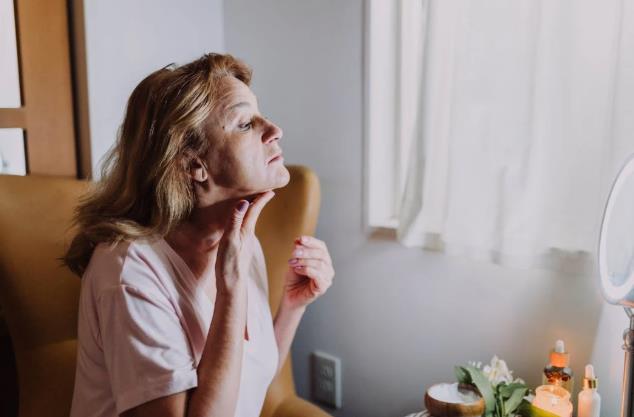
Fine lines are small creases that form when skin begins to lose strength and flexibility. They often appear when the skin still feels smooth to the touch, which is why many people dismiss them at first. These early lines signal that the skin’s support system has started to weaken. Collagen and elastin, the proteins that keep skin firm and springy, begin to slow down with time. When the skin can’t bounce back as easily, tiny lines remain visible. Seeing them early gives you a chance to slow further changes instead of waiting until they deepen.
Exosomes are one option that addresses these early shifts by supporting how skin cells communicate and repair themselves. Rather than focusing only on surface texture, exosomes help encourage healthier skin function over time. When introduced early, they may support collagen activity and improve the skin’s ability to recover from daily stress. Practices like Sarasota Premier Aesthetics offer these procedures as part of personalized plans that focus on addressing fine lines before more noticeable damage develops.
Sun exposure adds up faster than you think
Living in Sarasota means sun exposure happens almost daily, not just on beach days. Even short walks, driving, or sitting outdoors add to the total amount of UV exposure skin receives over time. Sunlight breaks down collagen and weakens the skin’s natural repair process. This damage doesn’t always show right away. Fine lines often appear years after the exposure that caused them. Sunscreen helps, but many people don’t apply enough or reapply during long days outside. Over time, this daily exposure shows up as fine lines that seem to appear without warning.
Dehydration makes lines look deeper
When skin lacks water, fine lines stand out more. Dehydrated skin looks dull, feels tight, and loses its smooth surface. This is different from dry skin, which lacks oil. Dehydration affects all skin types, including oily skin. Sarasota’s heat, sweating, air conditioning, and frequent sun exposure can pull moisture from the skin throughout the day. Without enough water, skin cells shrink slightly, making fine lines more noticeable. Hydration helps skin stay plump and flexible, which softens the look of early lines and supports overall skin health.
Collagen loss begins earlier than most expect
Many people believe collagen loss only becomes an issue later in life, but it often starts in the late twenties or early thirties. The body still produces collagen, just not at the same rate. Over time, breakdown outpaces production. This gradual shift leads to thinner skin that doesn’t recover as quickly from movement or stress. Fine lines form where the skin folds often, such as around the eyes and mouth. Supporting collagen early helps maintain skin strength longer and reduces the chances of lines turning into deeper wrinkles.
Inflammation quietly weakens skin
Low-level inflammation plays a larger role in skin aging than most people realize. Sun exposure, stress, poor sleep, harsh products, and environmental irritants can all trigger ongoing irritation in the skin. Even when redness isn’t obvious, inflammation can slow repair and break down healthy tissue. Over time, this weakens the skin barrier and makes fine lines more visible. Calming the skin and avoiding constant irritation helps maintain a stronger surface that can protect itself and heal more efficiently.
Hormonal shifts affect skin more than expected
Hormones play a major role in how skin behaves. Changes in estrogen, cortisol, and thyroid hormones can affect skin thickness, oil production, and moisture levels. These shifts don’t only happen during menopause. Stress, postpartum changes, disrupted sleep, and even long-term lifestyle habits can alter hormone balance at different stages of life. When hormone levels fluctuate, skin may become thinner and drier, which makes fine lines appear more visible. Understanding this connection helps explain why fine lines sometimes show up during stressful periods or major life changes rather than gradually over time.
Learning to read your skin builds better habits
Fine lines provide useful feedback. They reflect how skin responds to sun, stress, hydration, and care routines over time. Paying attention to when lines appear or worsen helps guide smarter choices. Skin that feels tight, irritated, or slow to recover often needs rest and support rather than more treatments. By listening to these signs early, people can adjust habits before deeper changes occur. This mindset shifts skincare from reaction to prevention.
Fine lines do more than change appearance. They reveal how skin handles daily stress, repairs itself, and maintains balance. Sun exposure, hydration, collagen levels, inflammation, hormones, and care routines all influence when and how these lines appear. Understanding these factors helps people make informed decisions rather than chasing trends or quick solutions. In a place like Sarasota, where environmental exposure plays a constant role, paying attention to early signs can make a meaningful difference. When skin health becomes the focus, fine lines turn into useful signals that guide better care and longer-lasting results.