Maintaining a clean, organized home is essential to living a healthy, comfortable life, especially for seniors. As individuals age, they may face unique challenges that make maintaining their living space more demanding. Recognizing these specific needs is key to creating a clean, safe environment that promotes well-being and independence. Understanding how to approach cleaning and organization thoughtfully can make a significant difference in our seniors’ daily lives. Keep reading to discover practical advice to help ensure a senior’s home is both tidy and tailored to their needs.
Understanding the Unique Cleaning Needs of Seniors’ Homes
The process of cleaning a senior’s home goes beyond mere tidiness. It’s about creating a living space that supports their lifestyle and physical capabilities while considering health concerns and safety risks. Seniors often have weaker immune systems, so maintaining a clean environment is crucial to prevent illness and infection. This involves regularly disinfecting surfaces, especially in high-touch areas such as bathrooms and kitchens.
Additionally, mobility issues common among seniors necessitate that cleaning tasks are performed without creating obstacles or clutter that could lead to falls. Seniors may have difficulty reaching high places or bending low, which means these areas are often overlooked during cleaning. Regular attention to such spots can prevent dust and dirt buildup, which can aggravate respiratory issues or allergies.
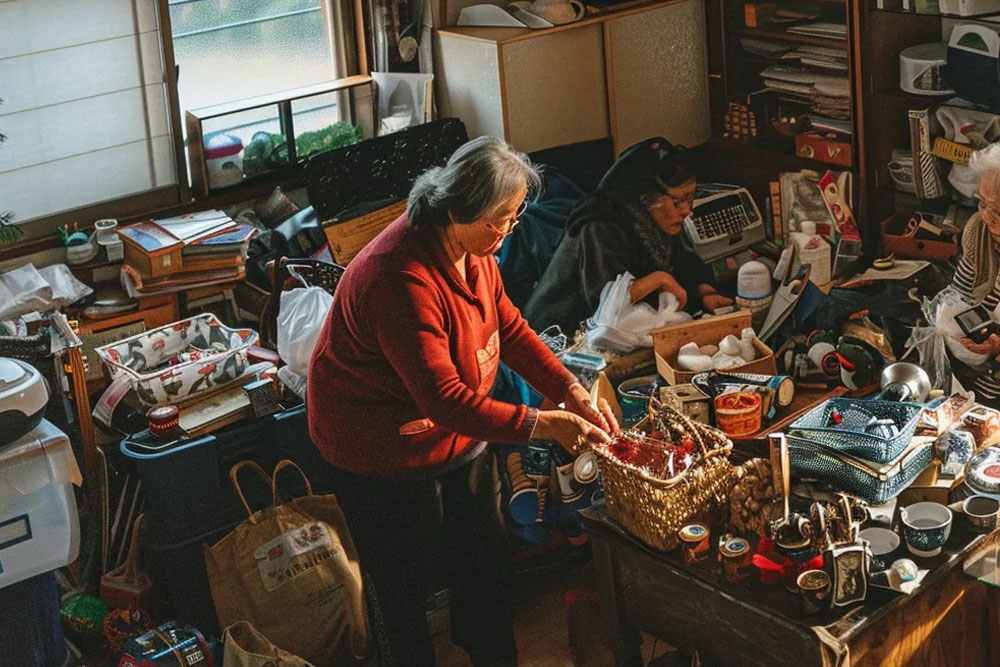
It’s also important to consider the emotional attachments seniors may have to their possessions. Cleaning and organizing cannot be a one-size-fits-all approach. Working with seniors to understand what items are significant to them and why can foster a much more efficient clean-up process. It’s about striking a balance between decluttering and maintaining a sense of familiarity and comfort within their home.
For those who need an extra helping hand, professional cleaning services for seniors can ensure their unique cleaning needs are met. These services are often equipped with the expertise to address these issues sympathetically and effectively, thereby reducing the burden on both seniors and their caregivers.
Strategies for Decluttering a Senior’s Living Space
Decluttering can enhance a senior’s home environment, making movement easier and reducing the risk of accidents. Initiating the process with a room-by-room strategy can make this potentially overwhelming task more manageable. Starting with less emotionally charged rooms, such as bathrooms or laundry areas, helps seniors feel more in control and ready to tackle larger spaces later.
When decluttering a senior’s space, it’s essential to work together with them, respecting their decisions and autonomy. Some objects may seem ready for discarding, but they might hold sentimental value or functional importance. A cooperative approach encourages seniors to make mindful decisions about their possessions, helping them envision their space as safer and more streamlined without sacrificing autonomy.
Organizing items into categories, such as ‘keep,’ ‘donate,’ ‘throw away,’ and ‘unsure,’ can help in the decision-making process. Seniors can take their time analyzing items in the ‘unsure’ category, giving them the room to decide without pressure. This strategy also enables them to actively participate in the decluttering process, fostering a sense of accomplishment.
Once items have been sorted, immediate action, such as disposing of waste or arranging donations, can prevent second-guessing and clutter reaccumulation. Maintaining a decluttered space also involves regular assessment and revisiting areas to ensure they remain orderly and functional.
Establishing a Maintenance Routine for Ongoing Cleanliness
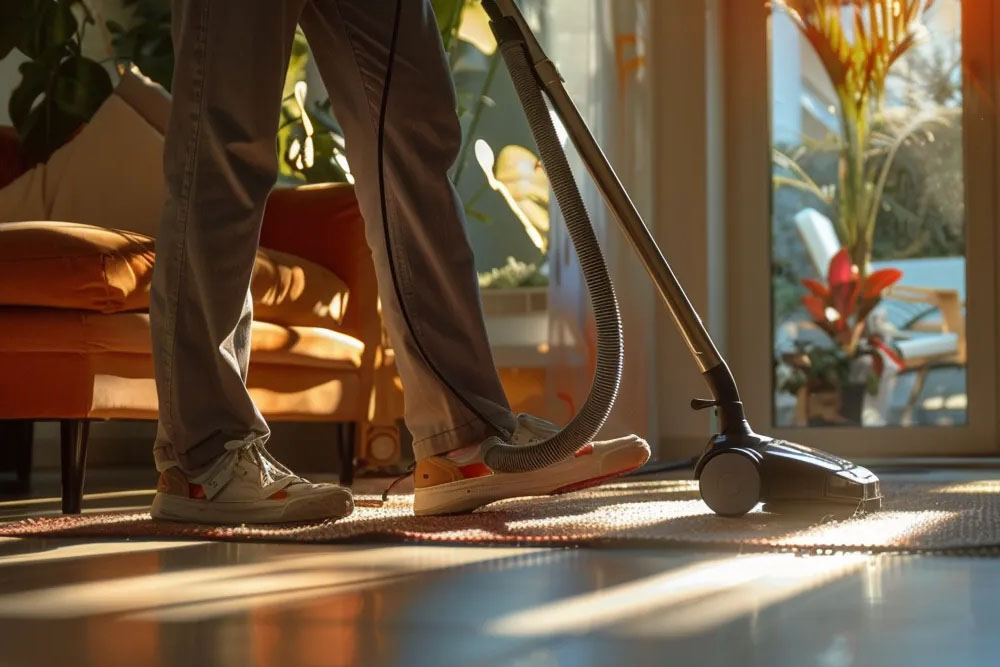
Maintaining cleanliness in a senior’s home is often achieved through a consistent maintenance routine. This routine should be simple and manageable, avoiding the buildup of tasks that could become overwhelming. Small daily or weekly tasks can be more approachable than less frequent, larger cleaning efforts.
Encouraging autonomy where possible by inviting seniors to participate in simple cleaning tasks can promote a sense of purpose and pride in their living space. For more challenging jobs, scheduling regular visits from family members, friends, or professional cleaners can provide necessary support without disrupting a senior’s daily routine.
Maintaining a clutter-free space is equally crucial for ongoing cleanliness. Designating specific spots for items and encouraging their return after use can help keep the home orderly. Consistency in these habits ensures that cleaning is more about maintenance than overhauling, simplifying the overall effort required.
Creating a safe, comfortable, and tidy home for seniors is about understanding their unique needs, implementing effective decluttering and organization strategies, using safe cleaning techniques, and establishing a sustainable routine. With a thoughtful approach and support from family members, caregivers, or professional services, seniors can enjoy the benefits of a clean, organized living space that promotes their well-being and independence.