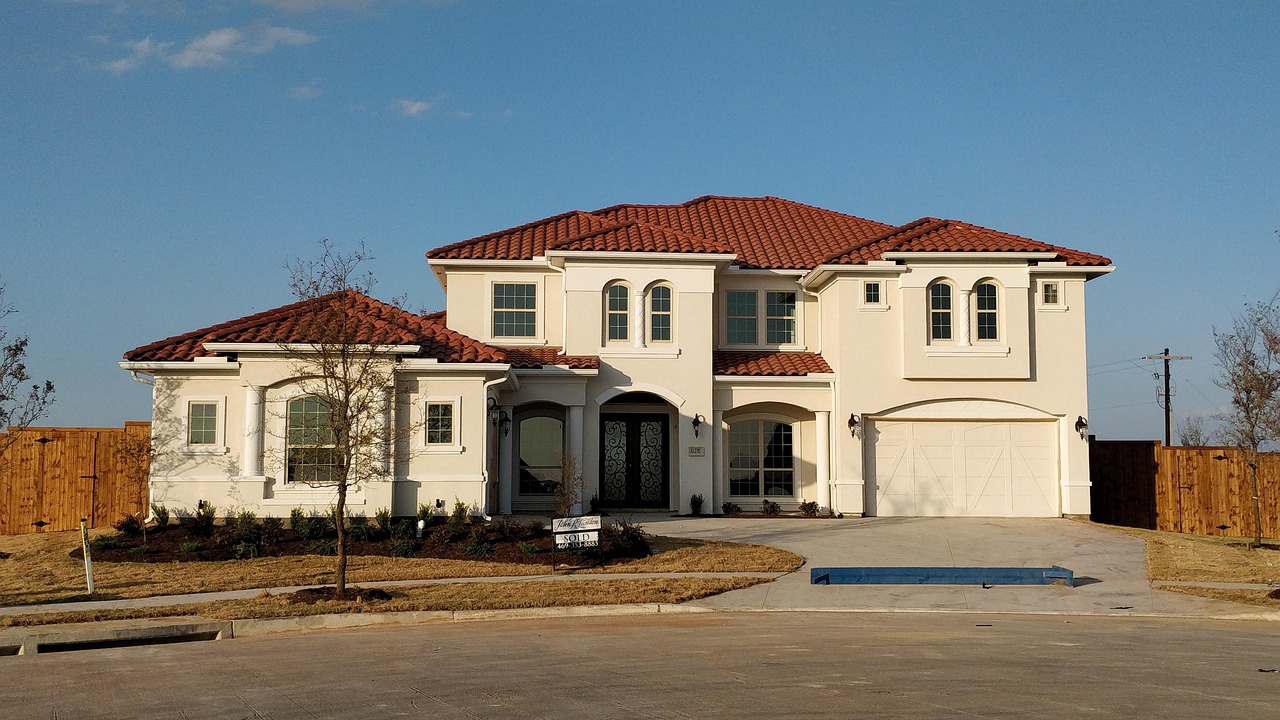
Home exterior planning now starts with a realistic look at how environmental exposure affects different parts of a house over time. Sun, wind, rain, temperature swings, and ground moisture do not impact every surface equally. Some areas absorb constant stress, while others deal with occasional but intense exposure. Planning based on these patterns helps homeowners make smarter decisions that support durability and long-term performance.
Rather than reacting to visible damage after it appears, thoughtful planning focuses on where weather pressure concentrates first. Exterior components that move, sit close to the ground, or face direct exposure tend to show wear earlier. When these areas receive proper attention upfront, the rest of the exterior benefits as well. Environmental planning turns the exterior into a system where each section is prepared for the conditions it faces most often.
Garage Door
Garage doors experience a combination of environmental pressures that few other exterior elements face. They span large openings, move multiple times a day, and sit between indoor and outdoor temperature differences. Exposure to moisture, direct sun, and repeated expansion and contraction gradually affects panels, tracks, seals, and hardware. Even well-maintained doors absorb stress simply through daily operation and weather contact.
As time passes, damage may appear through warping, fading, uneven movement, or gaps along the edges. Such issues often progress quietly until the operation becomes unreliable. At this stage, homeowners begin considering garage door replacement as a practical response rather than a cosmetic one. Because garage doors are complex and directly tied to structural openings, hiring experts becomes essential.
Roof Edges
Roof edges manage one of the most demanding tasks on the exterior: directing water safely away from the structure. Rainfall concentrates along these edges before entering gutters or flowing downward. Poor detailing allows water to collect, back up, or seep into fascia boards and underlying materials.
Planning roof edge detailing around rainfall patterns reduces long-term moisture damage. Proper slopes, drip edges, and material selection help guide water efficiently. When roof edges are designed with water movement in mind, the risk of rot, staining, and structural deterioration decreases.
Foundation Finishes
Foundations interact constantly with soil conditions that change throughout the year. Rain increases ground saturation, while dry periods cause soil to contract. These cycles place pressure on foundation surfaces and finishes, especially near grade level, where moisture contact is most frequent.
Choosing finishes suited for soil moisture variation helps manage this exposure. Breathable coatings, moisture-resistant materials, and proper drainage planning work together to limit damage.
Entry Doors
Unlike interior doors, entry ones must maintain performance while sealing against the elements. Construction choices play a major role in how well a door holds up under these conditions.
Doors built for prevailing weather conditions use materials that resist swelling, shrinking, and warping. Core construction, edge sealing, and hardware quality all influence durability. Proper planning considers how often the door faces driving rain or intense sun. A well-chosen entry door supports comfort and security while standing up to daily exposure without developing gaps or operational issues.
Deck Surfaces
Decks operate in one of the harshest exterior environments. They sit fully exposed to the sun, precipitation, and foot traffic. Surface materials absorb heat, shed water, and endure seasonal changes without protection from walls or roofing.
Selecting deck surfaces designed for both sun exposure and rainfall contact helps manage this stress. Materials that resist moisture absorption and tolerate temperature variation hold their shape longer. Surface texture also matters, as it affects drying time and traction.
Gutters
Gutters deal directly with changing water volume throughout the year. Heavy rain, brief storms, and long wet periods all place different demands on the system. When gutters are planned without considering these fluctuations, water can overflow, pool near the foundation, or back up under the roof edges.
Systems planned for seasonal water volume account for both flow capacity and debris accumulation. Proper sizing, placement, and slope help water move away from the home instead of lingering. Gutters that handle changing conditions well protect siding, trim, and foundations from repeated moisture exposure that slowly causes deterioration.
Masonry Joints
As temperatures rise and fall, masonry materials expand and contract at different rates. Joints exist to absorb this movement, but they must be designed and maintained with environmental stress in mind.
When joints lack proper flexibility or have aged beyond their tolerance, cracking and separation begin to appear. Water then enters those gaps, increasing damage during future temperature cycles. Planning masonry joints around expansion allows walls to handle movement without transferring stress to surrounding materials, extending the life of the structure.
Vent Placement
Exterior vents allow airflow for systems inside the home, yet their placement plays a major role in moisture control. Wind-driven rain can enter vents that face prevailing wind paths, carrying moisture into wall cavities or duct systems.
Planning vent placement based on wind exposure reduces this risk. Positioning vents away from dominant wind directions and using protective covers limits moisture intrusion. Proper placement supports healthy airflow while protecting interior systems from damp conditions tied to weather patterns.
Shutters
Shutters face direct exposure to storms, strong sunlight, and wind pressure. Their placement on the exterior leaves them vulnerable to repeated impact from weather events. Materials that lack durability show wear through warping, fading, or loosening hardware.
The shutter construction chosen for storm resistance holds up better under these conditions. Strong fasteners, reinforced panels, and weather-resistant finishes help shutters maintain their appearance and function. Planning with exposure in mind keeps shutters from becoming weak points during severe weather.
Hardscapes
Hardscape surfaces such as patios, walkways, and driveways absorb temperature changes directly. Heat causes expansion, while cooler periods allow contraction. Over time, this movement stresses joints and surfaces.
Materials selected to tolerate thermal movement reduce cracking and uneven settling. Proper base preparation and spacing allow surfaces to move without damage. Hardscapes that are planned for temperature variation maintain stability and visual appeal longer, even under repeated environmental stress.
Sealants
Caulking and sealants sit at the intersections between materials, making them critical barriers against moisture and air intrusion. These products face constant exposure to the sun, temperature changes, and moisture.
Sealants chosen for climate-related stress retain flexibility over time. Products that harden or crack too quickly allow gaps to form, inviting water penetration. Planning sealant selection around environmental conditions supports longer-lasting protection across joints, seams, and transitions.
Home exterior planning based on environmental exposure focuses on preparation rather than reaction. Each exterior element faces different conditions depending on its location, movement, and proximity to moisture or sun. Garage doors, roof edges, foundations, and surface materials all respond to repeated weather cycles in distinct ways.