Interior design is more than arranging furniture or choosing colors—it’s about shaping how we live, feel, and connect within our spaces says TE Johnson & Sons team. The rooms we wake up in, work from, relax in, and host loved ones in all influence our mood and productivity. Think of interior design as storytelling through space: every texture, tone, and layout choice contributes to a narrative that reflects personality, lifestyle, and culture. In today’s fast-paced world, interiors are no longer just functional; they’re emotional sanctuaries, creative hubs, and social stages rolled into one.
What makes interior design so fascinating is its balance between art and practicality. On one hand, there’s creativity—mixing materials, experimenting with light, and layering styles. On the other, there’s logic—space planning, ergonomics, and durability. A well-designed interior quietly supports daily life. You don’t notice it shouting for attention; instead, you feel comfortable, inspired, and at ease. That’s the magic of good design—it works behind the scenes.
In cities where lifestyles are diverse and evolving, interior design becomes even more important. Urban homes often need to multitask: a living room may double as a workspace, a bedroom as a retreat from city noise. This is where thoughtful interior design steps in, solving problems with elegance. Whether it’s maximizing small apartments or adding warmth to large villas, the right design choices transform houses into homes.
This article explores interior design from every angle—principles, styles, materials, lighting, sustainability, technology, and regional influences. If you’ve ever wondered how designers create spaces that feel both beautiful and livable, you’re in the right place. Let’s step inside the world of interior design and uncover what truly makes a space work.
The Core Principles of Interior Design
At the heart of every successful interior lies a set of timeless principles. These principles act like an invisible framework, guiding decisions and ensuring harmony throughout a space. While trends come and go, these fundamentals remain constant, helping designers create interiors that feel balanced rather than chaotic.
Balance is one of the most important principles. It refers to the visual weight within a room and can be symmetrical, asymmetrical, or radial. Symmetrical balance creates a formal, orderly feel—think matching sofas or bedside tables. Asymmetrical balance, on the other hand, feels more relaxed and modern, achieved by balancing different elements with similar visual weight. Radial balance centers around a focal point, like chairs arranged around a round table.
Another key principle is proportion and scale. Furniture and décor should relate well to each other and to the room’s size. An oversized sofa in a tiny room can feel suffocating, while small furniture in a large space may feel lost. Designers constantly play with scale to create interest without overwhelming the space.
Rhythm and repetition help guide the eye through a room. This can be achieved through repeating colors, shapes, or patterns. Imagine a color echoed in cushions, artwork, and rugs—it creates a sense of flow. Emphasis is equally important; every room needs a focal point, whether it’s a statement wall, a piece of art, or a dramatic light fixture.
Finally, harmony ties everything together. It ensures that all elements feel like they belong in the same story. When these principles work together, the result is an interior that feels intentional, comfortable, and visually satisfying.
Understanding Space Planning and Layout
Space planning is the backbone of interior design. Before colors are chosen or furniture is bought, designers focus on how a space will be used and how people will move through it. Good space planning isn’t flashy, but its impact is huge—it determines whether a room feels open or cramped, intuitive or awkward.
The process starts with understanding function. A family living room, for example, needs durable materials, ample seating, and clear pathways. A formal sitting area may prioritize aesthetics over everyday practicality. Designers consider traffic flow carefully, ensuring that people can move comfortably without bumping into furniture or feeling blocked.
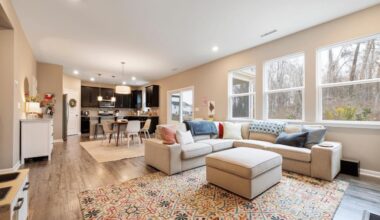
Zoning is another essential concept, especially in open-plan homes. Without walls, designers use rugs, lighting, furniture arrangement, and even ceiling treatments to define different zones. A sofa might separate the living area from the dining space, while pendant lights signal where meals are shared. These subtle boundaries help spaces feel organized rather than chaotic.
Furniture placement plays a huge role in how a room feels. Pushing everything against the walls isn’t always the answer. Sometimes floating furniture creates intimacy and better conversation areas. Designers also think vertically—using shelves, tall cabinets, and wall-mounted elements to maximize storage without sacrificing floor space.
In compact urban homes, smart space planning can be life-changing. Multi-functional furniture, hidden storage, and flexible layouts allow small spaces to live large. When done right, space planning ensures that every square meter works hard while still feeling breathable and inviting.
Color Psychology in Interior Design
Color is one of the most powerful tools in interior design. It influences mood, energy, and perception, often on a subconscious level. A well-chosen color palette can make a room feel calm, vibrant, cozy, or expansive—all without changing a single piece of furniture.
Warm colors like reds, oranges, and yellows tend to energize spaces. They’re often used in social areas like living rooms and dining rooms, where conversation and activity thrive. However, too much warmth can feel overwhelming, so designers often balance these hues with neutrals or softer tones.
Cool colors—blues, greens, and purples—are known for their calming effects. They’re popular in bedrooms and bathrooms, where relaxation is key. A soft blue can evoke the feeling of the sky or sea, while green brings a sense of nature indoors. These colors can also make spaces feel larger and more open.
Neutrals play a crucial supporting role. Shades of white, beige, gray, and taupe provide a versatile backdrop that allows furniture and décor to shine. Contrary to popular belief, neutrals are not boring. Layering different textures and tones within a neutral palette can create depth and sophistication.
Designers also consider how light affects color. Natural and artificial lighting can dramatically change how a color appears throughout the day. That’s why testing samples in the actual space is so important. When color is used thoughtfully, it becomes an emotional language that speaks quietly but powerfully.
The Role of Lighting in Interior Spaces
Lighting is often described as the jewelry of interior design—and for good reason. It has the power to transform a space instantly, highlighting its strengths and masking its flaws. Without proper lighting, even the most beautifully designed room can fall flat.
There are three main types of lighting: ambient, task, and accent. Ambient lighting provides overall illumination, setting the general mood of a space. Task lighting focuses on specific activities, like reading, cooking, or working. Accent lighting adds drama, drawing attention to artwork, architectural features, or textures.
Layering these types of lighting creates depth and flexibility. A living room, for example, might have ceiling lights for general use, floor lamps for reading, and wall sconces to highlight art. This layered approach allows the atmosphere to change depending on the time of day or activity.
Natural light is equally important. Designers often prioritize window placement, sheer curtains, and reflective surfaces to maximize daylight. Natural light not only saves energy but also enhances well-being, making spaces feel more alive and welcoming.
The choice of fixtures matters too. Lighting isn’t just functional; it’s decorative. A statement chandelier can become a focal point, while minimalist recessed lights keep things subtle. Warm or cool light temperatures also influence mood, so selecting the right bulbs is just as important as choosing the fixture itself.
Materials, Textures, and Finishes
Materials and textures are what give an interior its tactile richness. While color appeals to the eyes, texture speaks to the senses, making a space feel layered and inviting. A room filled with flat, smooth surfaces can feel cold, whereas varied textures add warmth and personality.
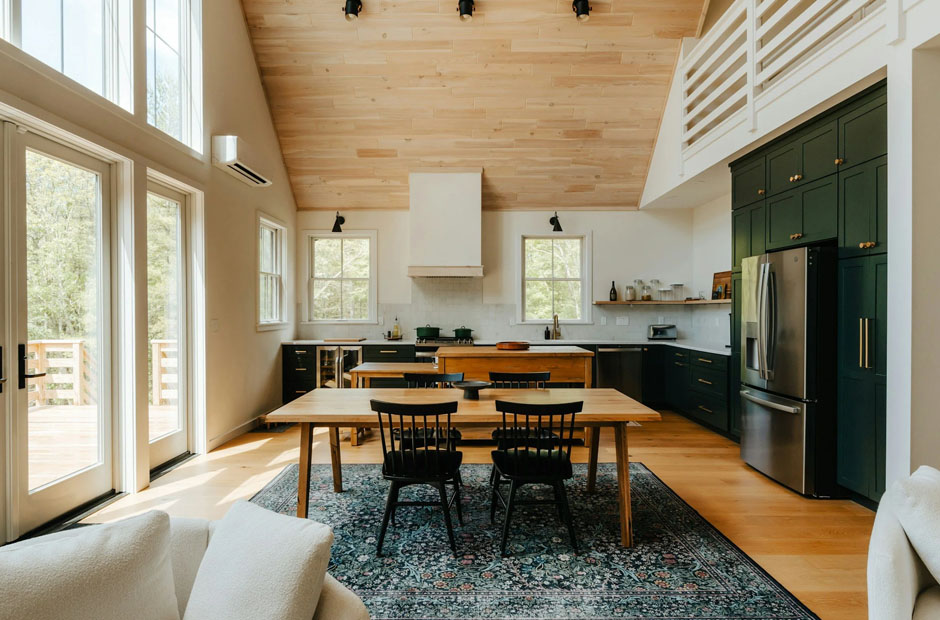
Natural materials like wood, stone, leather, and linen are timeless favorites. Wood brings warmth and character, whether used in flooring, furniture, or wall panels. Stone adds a sense of permanence and luxury, often seen in countertops or feature walls. These materials age beautifully, developing character over time.
Textures can be introduced through fabrics, rugs, wall treatments, and accessories. A plush rug underfoot, woven cushions on a sofa, or textured wallpaper can transform how a room feels. Designers often mix rough and smooth textures—think a sleek marble table paired with soft velvet chairs—to create balance.
Finishes also play a crucial role. Matte finishes feel understated and modern, while glossy surfaces reflect light and add glamour. Metallic finishes like brass, gold, or chrome can be used sparingly to add a touch of elegance.
By thoughtfully combining materials, textures, and finishes, designers create spaces that feel complete and engaging, not flat or one-dimensional.
Furniture Selection and Styling
Furniture is where design meets daily life. It needs to look good, feel comfortable, and stand up to regular use. Choosing the right furniture is less about following trends and more about understanding how pieces fit into a space and a lifestyle.
Scale and proportion come first. Furniture should suit the room’s size and ceiling height. Oversized furniture can overwhelm a space, while pieces that are too small may feel insignificant. Designers often use one or two statement pieces and balance them with simpler items.
Comfort is non-negotiable. A beautiful sofa that’s uncomfortable won’t be used, no matter how stylish it looks. That’s why designers consider ergonomics, seat depth, and material quality. In dining areas, chair height and table proportions are carefully matched to ensure comfort during long meals.
Styling furniture is about creating visual harmony. Mixing different styles—modern with vintage, for example—can add character when done thoughtfully. Accessories like cushions, throws, and side tables complete the look without cluttering the space.
Ultimately, good furniture selection supports the way people live, turning rooms into functional, comfortable environments that still reflect personal taste.
Interior Design Styles Explained
Interior design styles offer a starting point, a visual language that helps define a space’s personality. While many homes blend styles, understanding the core characteristics of each makes it easier to create cohesive interiors.
Modern design is known for clean lines, minimal ornamentation, and a focus on function. It often features neutral colors, sleek materials, and open spaces. Contemporary design, while similar, is more fluid, evolving with current trends.
Traditional interiors draw inspiration from classic European styles, featuring rich colors, detailed moldings, and elegant furniture. These spaces feel formal yet timeless. In contrast, minimalist design strips everything down to essentials, emphasizing simplicity, light, and negative space.
Bohemian style is relaxed and eclectic, layering patterns, textures, and global influences. Industrial design celebrates raw materials like exposed brick, metal, and concrete, often seen in loft-style spaces.
Choosing a style doesn’t mean following rules rigidly. The best interiors feel personal, blending elements from different styles to create something unique and lived-in.
Sustainable and Eco-Friendly Interior Design
Sustainability has become a major focus in interior design, driven by environmental awareness and a desire for healthier living spaces. Eco-friendly design isn’t just a trend; it’s a responsibility that shapes how materials are chosen and spaces are built.
Sustainable interiors prioritize natural, renewable, and recycled materials. Bamboo flooring, reclaimed wood furniture, and recycled metal fixtures reduce environmental impact while adding character. Low-VOC paints and finishes improve indoor air quality, making homes healthier.
Energy efficiency is another key aspect. LED lighting, energy-efficient appliances, and smart climate control systems reduce energy consumption without sacrificing comfort. Designers also maximize natural light and ventilation to minimize reliance on artificial systems.
Longevity is an often-overlooked part of sustainability. Choosing high-quality, timeless pieces that last for years is more eco-friendly than constantly replacing trendy items. Sustainable design encourages mindful consumption and thoughtful investment.
By embracing eco-friendly practices, interior design becomes a way to care not just for personal spaces, but for the planet as well.
Technology and Smart Interiors
Technology has quietly reshaped interior design, making homes more responsive, efficient, and comfortable. Smart interiors integrate technology seamlessly, enhancing daily life without dominating the aesthetic.
Smart lighting systems allow users to adjust brightness and color temperature with a tap or voice command. Automated blinds respond to sunlight, improving comfort and energy efficiency. Climate control systems learn preferences, maintaining ideal temperatures throughout the day.
Entertainment systems are now integrated into design, with hidden speakers, concealed wiring, and sleek wall-mounted screens. Home offices benefit from ergonomic setups and technology that supports remote work.
The key to successful smart design is subtlety. Technology should support the space, not overwhelm it. When integrated thoughtfully, smart features enhance convenience while preserving the beauty of the interior.
Cultural and Regional Influences in Interior Design
Interior design is deeply influenced by culture and location. Climate, traditions, and lifestyle all shape how spaces are designed and used. Regional influences add depth and authenticity, grounding interiors in their context.
In warmer regions, designs often emphasize light colors, natural ventilation, and indoor-outdoor connections. Textiles, patterns, and materials may reflect local heritage, adding a sense of place. Cultural motifs can be incorporated through art, furniture, or architectural details.
For example, Middle Eastern interiors often feature rich textures, layered lighting, and intricate patterns, balanced with modern elements. This blend creates spaces that feel luxurious yet rooted in tradition. In this context, home interior design dubai has become synonymous with blending global trends and regional elegance, reflecting the city’s diverse and cosmopolitan character.
Respecting cultural influences doesn’t mean creating themed spaces. Instead, it’s about subtle references that add meaning and authenticity, making interiors feel thoughtful rather than generic.
Designing Different Rooms with Purpose
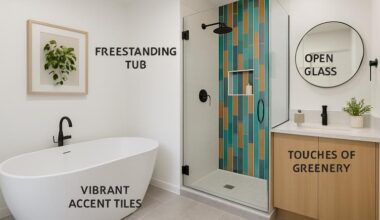
Each room in a home serves a unique function, and interior design adapts accordingly. A living room focuses on comfort and social interaction, while a bedroom prioritizes rest and privacy. Kitchens balance functionality with style, and bathrooms become personal retreats.
Designers approach each room with its purpose in mind. Storage solutions vary depending on needs, lighting is adjusted for tasks or relaxation, and materials are chosen for durability or comfort. Cohesion across rooms is maintained through consistent color palettes or design elements.
When rooms are designed with intention, the entire home feels harmonious. Spaces flow naturally, supporting daily routines while offering moments of delight and comfort.
Common Interior Design Mistakes to Avoid
Even with the best intentions, interior design can go wrong without careful planning. One common mistake is prioritizing aesthetics over function. A room may look stunning but feel impractical if furniture placement or lighting is poorly considered.
Another pitfall is over-decorating. Too many accessories or colors can overwhelm a space, making it feel cluttered. Designers often follow the “less is more” approach, allowing key pieces to stand out.
Ignoring scale is another issue. Furniture that doesn’t fit the room’s proportions can disrupt balance. Lastly, failing to plan lighting properly can undo even the most beautiful designs.
Being aware of these mistakes helps create interiors that are both beautiful and livable.
The Future of Interior Design
Interior design continues to evolve, shaped by changing lifestyles, technology, and values. Flexibility is becoming increasingly important, with spaces designed to adapt to work-from-home needs and multi-functional living.
Wellness-focused design is also on the rise. Natural light, biophilic elements, and calming color palettes support mental and physical well-being. Sustainability and smart technology will continue to influence how interiors are planned and executed.
The future of interior design is human-centered, focusing on creating spaces that support comfort, health, and connection.
Conclusion: Designing Spaces That Truly Matter
Interior design is ultimately about people. It’s about creating spaces that support daily life, reflect personality, and offer comfort in a busy world. When design is thoughtful, it fades into the background, quietly enhancing every moment spent at home.
By understanding principles, embracing creativity, and respecting function, interior design transforms empty rooms into meaningful spaces. Whether simple or luxurious, modern or traditional, the best interiors are those that feel authentic and lived-in.