Key Takeaways
- Dental implants provide a durable and long-lasting solution for missing teeth, enhancing oral health and overall quality of life.
- The initial investment in dental implants is substantial, but their long-term value may offset the ongoing maintenance and replacement costs associated with other options.
- Weighing the pros and cons, consulting with dental professionals, and evaluating available financial assistance are critical steps before making a decision.
Understanding Dental Implants
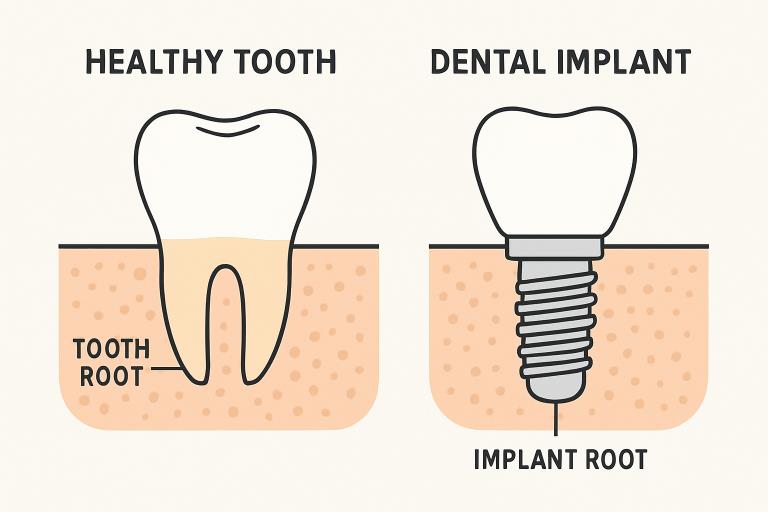
Dental implants are a revolutionary advancement in restorative dentistry, serving as artificial tooth roots that provide a sturdy foundation for fixed or removable replacement teeth. Unlike removable dentures, dental implants are surgically implanted into the jawbone, offering a secure and natural-feeling solution for individuals with missing teeth. For those evaluating their options, understanding both the process and the investment involved is key. For patients around Texas, you can get detailed local pricing information at Full Mouth Dental Implant Cost Dallas, TX.
Implants consist of a titanium post, an abutment, and a custom crown, which work together to mimic the look and function of natural teeth. This advanced approach not only enhances appearance but also improves oral health, as implants can support proper chewing and speech, and prevent adjacent teeth from shifting.
Initial Costs of Dental Implants
The upfront cost of dental implants can seem daunting for many. On average, a single implant typically ranges from $3,000 to $4,500, taking into account the costs of surgery, materials, and follow-up appointments. When considering a full-mouth restoration, expenses can range from $60,000 to $90,000. Several variables affect these figures, including the number of implants required, the material chosen for crowns, and whether additional treatments—such as bone grafts—are necessary.
This initial financial commitment often deters patients from choosing implants. However, when compared over the long term to alternatives like dentures, the durability and permanence of implants may represent a better value, especially when factoring in the need for less frequent replacement or repair.
Long-Term Value and Durability
One of the standout benefits of dental implants is their impressive longevity. With diligent oral hygiene and regular dental checkups, implants can last a lifetime. In contrast, traditional dentures may need to be replaced or relined every 5 to 15 years, and bridges typically require adjustments or replacement over similar intervals. There is also a long-term cost-saving aspect to implants, considering the reduced need for future dental work and the improved daily quality of life. According to the Harvard Health Publishing guide on dental implants, patients often experience better chewing function, clearer speech, and a lower risk of further oral health issues with implants.
Health Benefits Beyond Aesthetics
The benefits of dental implants extend far beyond simply enhancing the appearance of your smile—they also provide critical functional and health advantages. By mimicking the stimulation provided by natural tooth roots, implants help preserve jawbone density, preventing the bone loss that often occurs after a tooth is missing. Without this support, patients may experience facial sagging, changes in bite alignment, and a higher likelihood of losing additional teeth over time. Unlike removable options, such as dentures or partial dentures, dental implants integrate directly with the jawbone, offering unmatched stability and durability. They also help maintain the health of surrounding teeth by reducing shifting and uneven pressure, ultimately supporting long-term oral health, function, and aesthetics.
Potential Risks and Considerations
While dental implants have an excellent track record—success rates range from 95% to 98% over 10 years—it’s essential to be aware of potential risks. Improper planning or unnecessary extractions can have adverse effects on oral health. Some patients report complications such as infection, implant failure, or nerve injury, albeit rarely. Due to the importance of individualized care, seeking multiple opinions from reputable dental professionals is wise before committing to implant surgery. As highlighted by experts at the Mayo Clinic, a comprehensive dental evaluation is key to minimizing risks and maximizing success.
Financial Assistance and Insurance Coverage
Dental insurance often covers only a portion of implant procedures, leaving patients to manage significant out-of-pocket expenses. However, several strategies can make these treatments more attainable. Many oral surgery practices offer flexible payment plans, enabling patients to spread the costs over time. Additionally, some employers offer health savings accounts (HSAs) or flexible spending accounts (FSAs), which let individuals use pre-tax dollars for medical and dental expenses, including implants. Dental discount or membership plans can also help reduce costs for those without comprehensive coverage. Patients can further minimize financial strain by requesting detailed cost estimates, inquiring about bundled treatment options, and being aware of seasonal or practice-specific promotions. Taking these proactive steps ensures a more predictable and manageable approach to implant care.
Comparing Alternatives: Dentures and Bridges
For individuals exploring tooth replacement options, dentures and dental bridges often present lower-cost initial solutions. Dentures can restore function and appearance but may shift during eating or speaking, create sore spots, and, over time, contribute to bone loss in the jaw. Similarly, dental bridges can effectively fill gaps, yet they usually require altering healthy neighboring teeth and do little to prevent bone deterioration. In contrast, dental implants involve a higher upfront investment but provide superior stability, comfort, and long-term oral health benefits. Implants help preserve jawbone density, maintain facial structure, and offer a natural chewing experience. Considering durability, function, and overall oral wellness, many patients ultimately find implants to be a more effective and lasting choice, despite the initial cost.
Making an Informed Decision
In summary, deciding whether dental implants are worth the investment is a highly personal decision that depends on one’s lifestyle, health goals, and financial circumstances. Researching options, consulting with dental specialists, comparing the cost and care requirements of all tooth replacement methods, and considering both short- and long-term impacts are essential steps. Utilize trusted resources such as the American Dental Association’s page on dental implants for up-to-date information and guidance.
Thorough preparation, careful consideration of financing avenues, and seeking expert dental advice can ensure that patients make the best choice for their health and well-being.