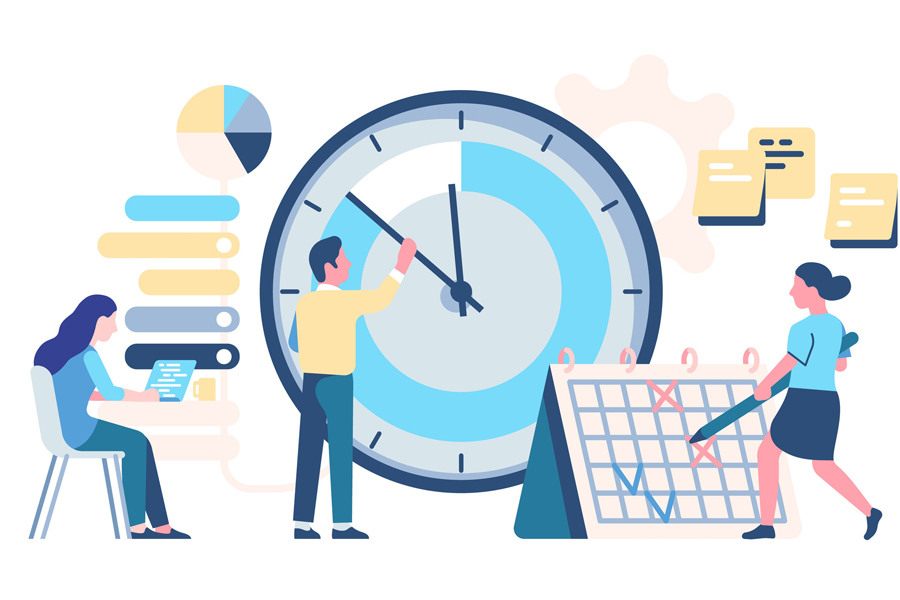
The Shift from Manual to Digital Attendance Tracking
Over the past decade, workplaces have witnessed a remarkable shift from manual to digital attendance tracking. Paper timesheets and punch clocks are now relics of the past, replaced by technology that accurately tracks employee hours, minimizes human error, and ensures reliable records for businesses of all sizes. These new solutions enable the efficient management of employee time and attendance data, improving organizational transparency.
The efficiency brought about by this transition is difficult to overstate. Automated digital logs synchronize directly with payroll and HR systems, enabling businesses to focus on growth rather than data reconciliation. For those seeking a detailed understanding of how time and attendance systems work, a deeper look reveals the sophisticated methods that enable streamlined operations and compliance.
Another significant benefit is the reduction in administrative workloads. Automated tracking eliminates the time-consuming task of manual entry, prevents discrepancies, and ensures that every minute worked is accurately accounted for. This is particularly helpful for sectors that require strict adherence to labor laws and overtime rules.
As organizations strive to keep pace with the complexities of labor law, digital attendance solutions provide real-time access to records that withstand scrutiny during audits. These innovations not only boost efficiency but also provide essential protections for both employers and workers.
Integration with Payroll and HR Platforms
The integration of time and attendance technology with payroll and HR platforms has fundamentally changed how organizations operate. By allowing information to flow seamlessly between attendance records and payroll processing, companies can now avoid mistakes caused by double entry, reduce administrative burdens, and ensure timely and accurate payments.
This real-time synchronization not only streamlines workforce management but also enhances compliance with wage and hour laws, directly impacting employee satisfaction and institutional trust. With data centralized and instantly available, HR professionals can make more informed decisions regarding scheduling, overtime, and workforce planning.
Biometric and AI Technologies Revolutionizing Attendance
Cutting-edge biometric solutions, such as fingerprint and facial recognition, have virtually eliminated common time theft issues like buddy punching. These systems bring unmatched security and accuracy, authenticating employees quickly and reducing opportunities for fraud. Modern employee time clocks now integrate these biometric features, giving businesses a reliable and streamlined way to track attendance with precision.
Beyond biometrics, artificial intelligence (AI) is poised to revolutionize the landscape further. AI-driven tools can predict attendance patterns, alert HR to potential absenteeism, and even recommend proactive scheduling adjustments to minimize disruptions. This dynamic approach to attendance management allows businesses to optimize labor allocation and minimize staffing gaps, ultimately boosting efficiency and reducing labor-related expenses.
Adapting to Remote and Hybrid Work Models
As remote and hybrid work arrangements become mainstream, flexible attendance systems have never been more important. Today’s leading solutions enable clock-ins from anywhere—be it an office, home, or client site—and support multiple time zones effortlessly. Sophisticated mobile apps and seamless integration with collaboration tools like Slack or Teams keep teams accountable and connected regardless of physical location.
This adaptability not only supports operational continuity but also empowers employees to work on their own terms, increasing engagement and retention. Detailed reporting ensures that management retains full visibility into workforce productivity and compliance, regardless of where employees choose to work.
Enhancing Workplace Compliance
Navigating complex labor regulations can be daunting for companies of any size. Modern time-tracking systems have become indispensable for maintaining compliance, offering automated tracking and robust audit trails. These features are essential for demonstrating adherence to local wage laws, overtime requirements, and mandatory break periods.
As legislative changes emerge, cloud-based attendance platforms are designed to adapt quickly, providing compliance updates and ensuring companies are always operating within the law. By eliminating manual tracking and providing automated alerts, these systems help businesses avoid costly errors, penalties, and disputes.
Improving Workforce Communication
Communication is the backbone of workplace efficiency, and advanced time and attendance technology now bridges the gap between HR and staff. Integrated communication features notify employees of shift changes, time-off approvals, and policy updates in real time, reducing confusion and enhancing transparency.
These tools not only foster collaboration and satisfaction but also enable managers to build smarter, more adaptable schedules. By providing employees with self-service access to schedules and leave balances, companies cultivate a culture of trust and accountability.
The Future of Time and Attendance Technology
As organizations continue to invest in advanced technologies, the future holds enormous potential. Thought leaders anticipate innovations such as AI-driven scheduling, advanced predictive analytics, and even IoT-based tracking of employee movement within workplaces. These enhancements are expected to streamline operations further and support the evolving needs of distributed teams.
In an era where the boundaries of how, when, and where we work are expanding rapidly, adopting advanced time and attendance technology positions organizations to thrive regardless of their industry or size. Embracing these advancements secures a future where compliance, efficiency, and employee satisfaction all move forward together.