The holiday season is a magical time, and decorating with festive plants can truly transform your home and garden. From indoor evergreens to outdoor seasonal blooms, holiday plants bring color, fragrance, and life during the colder months. But caring for them—especially when deciding which ones can survive outside—takes a little know-how.
In this guide, we’ll explore popular holiday plants, share tips for indoor and outdoor care, and dive deep into one of the most iconic seasonal plants: the poinsettia.
Indoor vs. Outdoor Holiday Plants
Not all holiday plants are created equal. Some thrive indoors in the warmth of your home, while others can handle brisk winter air outdoors. Knowing which plants belong where is key to keeping them healthy and vibrant throughout the season.
Indoor favorites include:
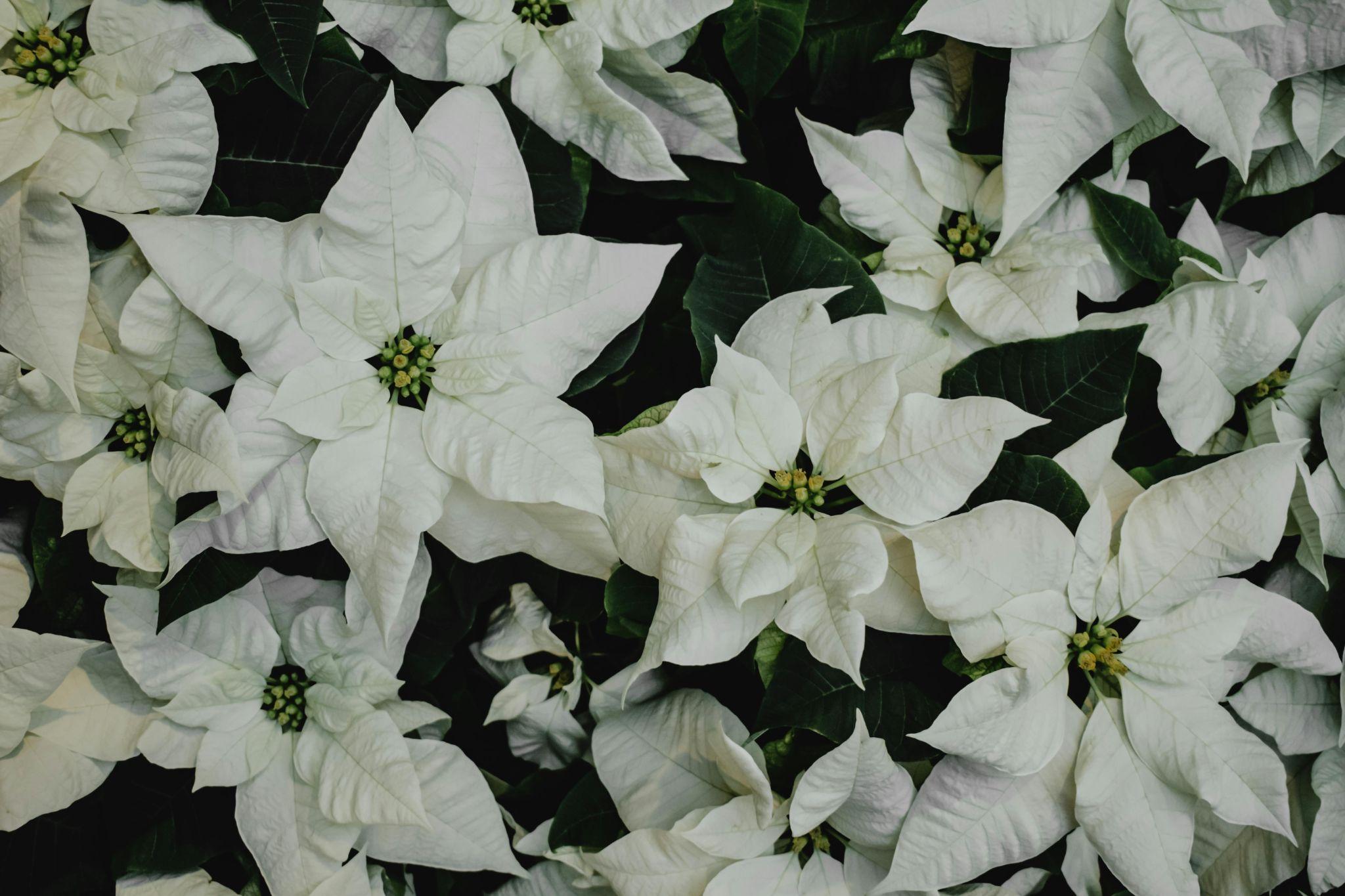
- Poinsettias
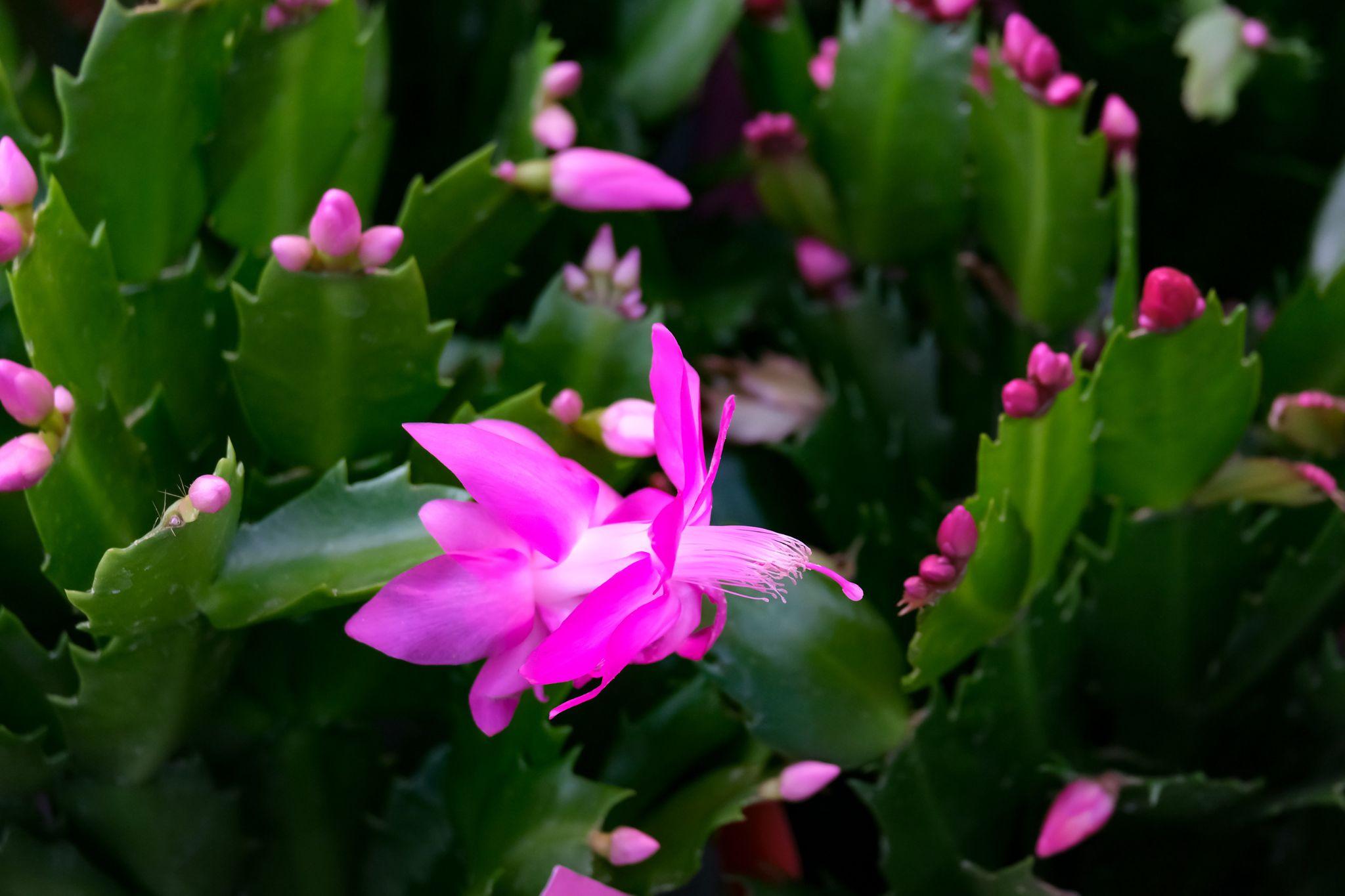
- Christmas cactus
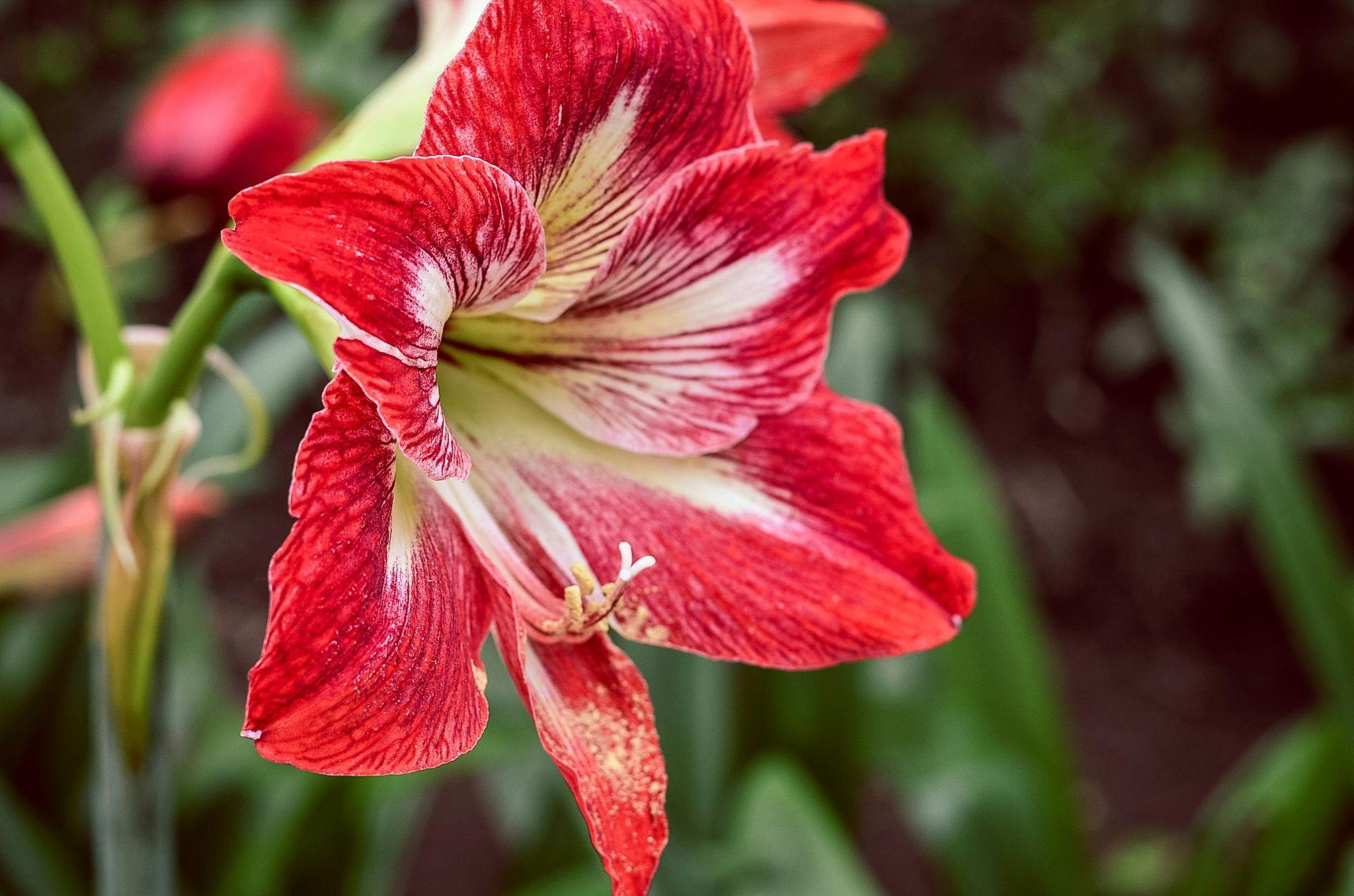
- Amaryllis
- Norfolk Island pine
Outdoor-friendly options (depending on your climate) include:
- Winterberry holly
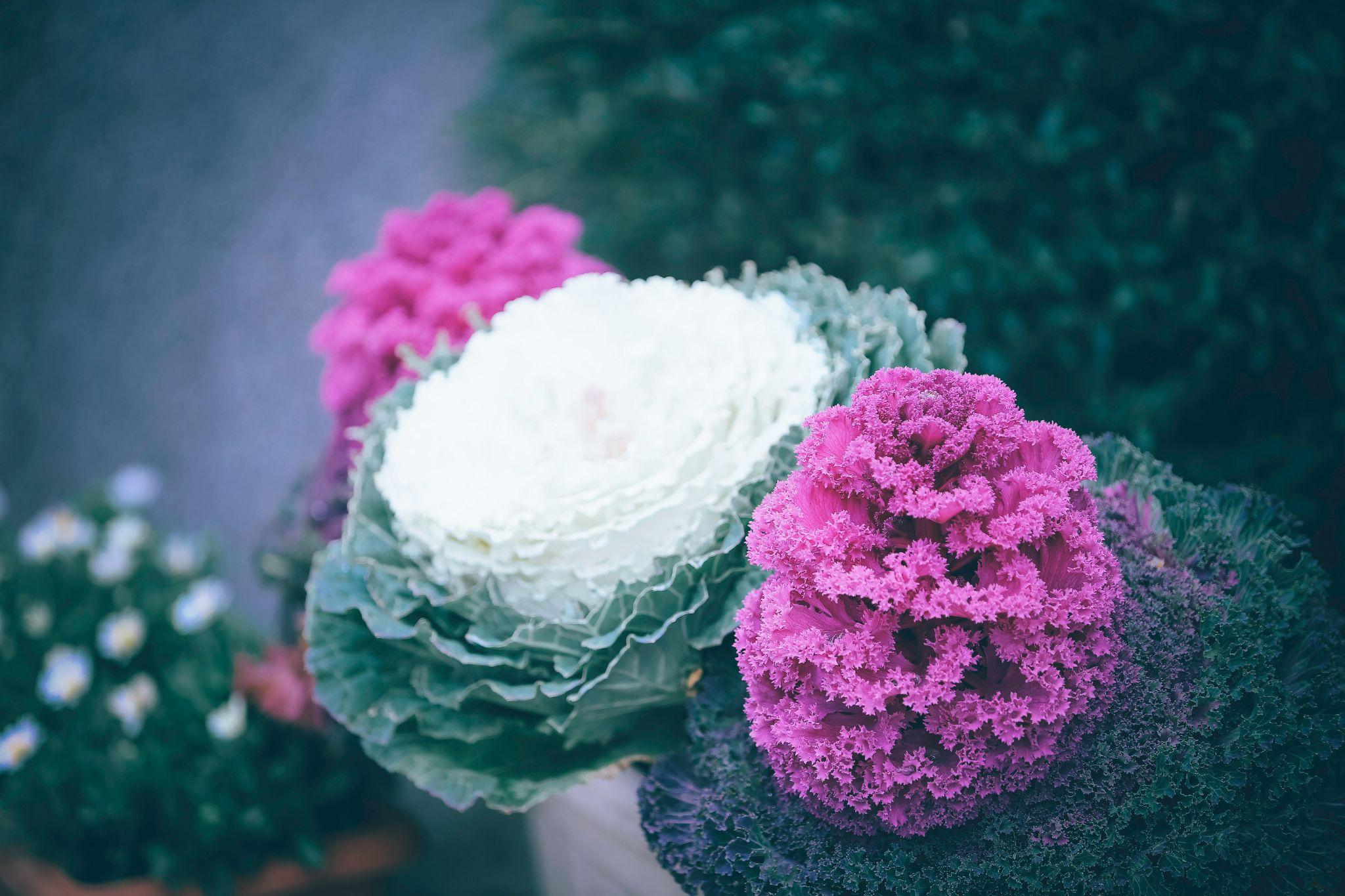
- Ornamental cabbages and kale
- Evergreen shrubs like boxwood and juniper
- Potted poinsettias in frost-free zones or protected areas
Choosing the right location and environment can prevent many common mistakes, like leaf drop, sunburn, or frost damage.
Spotlight on Poinsettias: Indoors and Out
Poinsettias are one of the most popular holiday plants, but many people aren’t sure how long they can last outside. An expert from JC’s Landscaping tells us:
“Poinsettias can last a few days to several months outdoors, depending entirely on temperature, sun exposure, and frost risk. I’ve personally tested poinsettias outdoors multiple times—on patios, by front doors, and even planted in the ground ‘just to see what would happen.’ Some survived far longer than expected. Others collapsed overnight after one cold snap. The difference always came down to temperature and timing, not luck.”
Read more about outdoor poinsettia care here.
Real-World Tips for Outdoor Poinsettias
If you’re in a mild winter climate, like North Texas, you can keep poinsettias outside temporarily—but you must protect them from cold and frost. Here’s what to consider:
- Temperature: Keep poinsettias outdoors only when temps stay above 55°F. Even a single night below 50°F can cause irreversible damage.
- Sunlight: Avoid full sun; bright shade or filtered morning sun is best.
- Watering: Ensure pots have drainage and let the soil dry slightly between waterings to prevent root rot.
- Placement: Covered patios, porches, or near warm walls offer extra protection.
By following these steps, you can enjoy your poinsettias and other tropical holiday plants outdoors safely.
Quick Tips for Holiday Plant Survival
Whether indoors or out, here are practical tips for keeping all your holiday plants healthy:
- Monitor Temperature: Sensitive plants like poinsettias need warmth; bring them inside when it gets cold.
- Choose the Right Light: Some plants prefer indirect light indoors, while others need filtered sun outside.
- Water Wisely: Avoid overwatering; check soil moisture regularly.
- Protect from Weather: Wind, frost, and heavy rain can damage delicate plants.
- Know Your Zone: Certain plants only thrive in frost-free areas.
Pros and Cons of Outdoor Holiday Plants
Pros:
- Extended daylight exposure for growth
- Better air circulation reduces indoor stress
- Potential for slower leaf drop in mild conditions
Cons:
- Risk of frost and cold damage
- Sunburn potential on delicate foliage
- Quick decline if environmental conditions shift suddenly
Winter Wonderland Plants: Placement, Care, and Tips
| Holiday Plant Type | Best Location | Temperature | Sunlight | Watering | Notes / Tips |
| Poinsettias | Indoors or protected outdoors | Above 55°F | Bright, indirect light or filtered sun | Let soil dry slightly between watering | Sensitive to frost; bring inside if temps drop below 55°F. Can last 2–4+ months outdoors under ideal conditions. |
| Christmas Cactus | Indoors | 60–70°F | Indirect light | Keep soil lightly moist | Thrives indoors; avoid direct sun and cold drafts. |
| Amaryllis | Indoors | 60–70°F | Bright light | Water when top inch of soil is dry | Bulb plants; can rebloom indoors yearly. |
| Norfolk Island Pine | Indoors | 60–75°F | Indirect light | Keep soil evenly moist | Tropical plant; not frost-hardy. |
| Winterberry Holly | Outdoors | Hardy to zone 3 | Full to partial sun | Moderate water | Can handle cold; requires pollination for berries. |
| Ornamental Kale / Cabbage | Outdoors | Hardy to 20°F | Full sun | Keep soil moist | Cold-tolerant, adds color to winter gardens. |
| Evergreen Shrubs (Boxwood, Juniper) | Outdoors | Hardy to zone 4+ | Full to partial sun | Moderate water | Great for structure; mulch for winter protection. |
Final Thoughts
Holiday plants can bring joy to both indoor spaces and outdoor gardens. Poinsettias, in particular, are not disposable seasonal decor—they’re climate-sensitive tropical plants. With the right care, placement, and attention to temperature, you can enjoy vibrant, long-lasting holiday greenery both inside and outside your home.
For more guidance on keeping poinsettias alive outdoors, check out our detailed article: How Long Do Poinsettias Last Outside?
JC’s Landscaping – Your Holiday Plant Experts
8105 Rasor Blvd, Suite #121
Plano, TX 75024
📞 (972) 347-4924
🌐 https://www.jclandscapingllc.com/