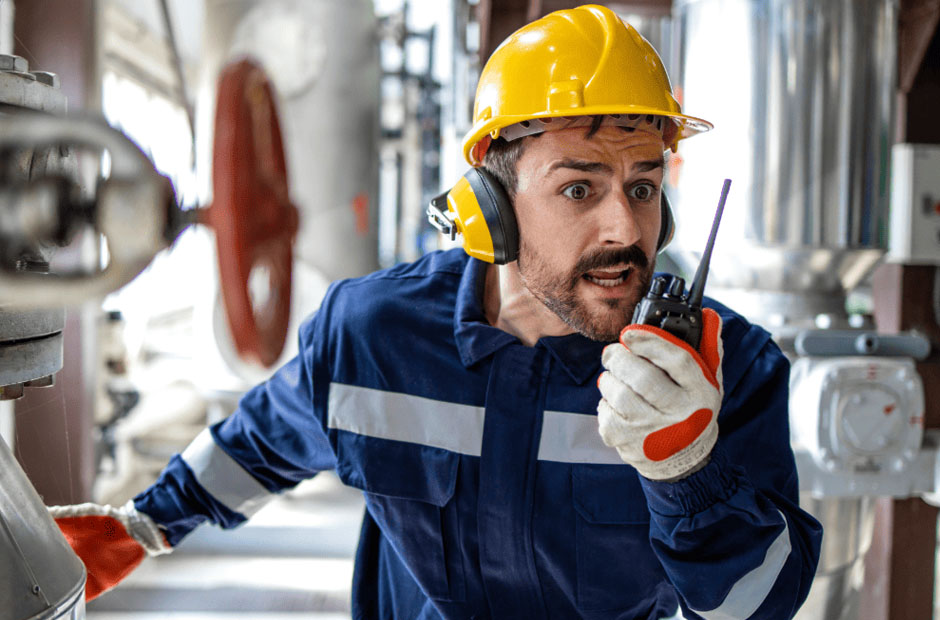
Emergencies don’t wait for convenient moments. A burst pipe, an electrical failure, an accidental sprinkler activation, a leaking appliance,these events can escalate quickly if your maintenance team isn’t equipped to respond. Buildings today are more complex than ever, and ensuring that staff know how to address issues calmly and efficiently is essential for preventing widespread damage. Having the right tools, such as a reliable Sprinkler Stopper Tool, is one part of preparedness, but the foundation is always training, communication, and clear procedures.
Maintenance teams are the first line of defense during unexpected incidents. The way they respond in the first few minutes can drastically reduce damage, downtime, and safety risks. Yet many teams lack structured emergency preparation or don’t revisit protocols often enough, highlights Whole Property Management team. True readiness isn’t just about having tools,it’s about building confidence, awareness, and predictable responses.
Here are practical, effective tips to ensure your building maintenance team is prepared for emergencies of all kinds.
1. Create a Clear, Accessible Emergency Response Plan
An emergency plan should not live in a binder no one reads. It must be simple, visible, and easy to follow, even under pressure.
Your Plan Should Include:
- step-by-step procedures for common emergencies
- locations of shut-off valves, electrical panels, and emergency tools
- protocols for reporting, escalation, and documentation
- contact lists for after-hours support
- specific responsibilities for each team member
Why This Matters
In the confusion of an emergency, people need clarity,not guesswork. A written plan becomes the anchor that keeps actions coordinated and calm.
2. Train Your Team Regularly,Not Just Once
One of the biggest mistakes property owners make is assuming training sticks forever. Emergency procedures must be reinforced to stay effective.
Effective Training Strategies
- quarterly refreshers
- simulations or drills
- video walkthroughs of equipment
- scenario-based learning
- peer-led demonstrations
The Psychology of Training
Repetition builds familiarity,and familiarity builds confidence. When a real emergency occurs, your team will rely on what they’ve practiced, not what they read months ago.
3. Ensure Everyone Knows Where Critical Shut-Off Points Are Located
Every building is filled with potential emergency touchpoints:
- main water shut-offs
- zone valves
- breaker panels
- HVAC cut-off switches
- sprinkler risers
- gas shut-offs
Why Location Awareness Is Crucial
Seconds matter. If your team has to search for the right shut-off point during an emergency, damage increases.
Helpful Strategies
- post clear signage
- color-code key valves
- map locations digitally and physically
- include photos of each shut-off point in your emergency manual
A team that knows where everything is can act without hesitation.
4. Provide the Right Tools,And Make Sure They’re Accessible
Equipment is only helpful if it’s available quickly. During emergencies, your team must be able to reach the necessary tools without delay.
Essential Tools May Include:
- adjustable wrenches
- specialty valve keys
- lockout/tagout equipment
- flashlights and headlamps
- water extraction tools
- wet/dry vacuums
- first aid kits
- a Sprinkler Stopper Tool for accidental sprinkler activations
Placement Matters
Store emergency tools:
- near high-risk areas
- on each floor of larger buildings
- clearly labeled and visible
- in unlocked but secure locations
Preparedness is as much about access as equipment.
5. Train Staff Specifically on Sprinkler Emergencies
Accidental sprinkler activations are one of the most overlooked risks in commercial buildings. They happen quickly and can cause extensive water damage before anyone reaches the controls.
Your Team Should Understand:
- how sprinkler heads function
- the difference between system-wide shut-offs and head-level tools
- when to use a shut-off tool
- how to access riser rooms
- how to reset or request inspection after activation
Why Specialized Training Helps
Sprinkler emergencies often create panic. A team trained in step-by-step response can act quickly, confidently, and safely.
6. Encourage Calm, Clear Communication Under Pressure
A well-prepared maintenance team communicates clearly during emergencies. This prevents confusion and keeps everyone aligned.
Teach Staff to Communicate Using:
- brief, direct instructions
- location updates (“I’m at the riser room now”)
- clear acknowledgment (“Shut-off complete”)
- escalation when needed
Why It Works
Calm communication reduces emotional escalation. When people speak clearly, they think clearly.
7. Assign Roles for Different Types of Emergencies
A predictable chain of action prevents overlap, hesitation, or conflict.
Examples of Assigned Roles
- Water leak lead
- Electrical emergency lead
- Documentation and reporting
- Communication with tenants or staff
- Equipment and tool retrieval
- Emergency shut-off team
Why Role Assignments Reduce Stress
Everyone knows what they’re responsible for,and what they’re not.
Clarity reduces chaos.
8. Make Emergency Walkthroughs a Regular Routine
A physical walkthrough helps your team visualize:
- evacuation routes
- shut-off points
- tool storage
- high-risk areas
- maintenance access pathways
Why Walkthroughs Are Effective
People remember what they’ve physically practiced better than what they’ve read.
Regular tours keep new hires and long-term staff equally prepared.