Key Takeaways
- Modern roadside assistance covers a broad range of services, far beyond simple towing.
- Innovative technology is streamlining response times and improving driver experience.
- Proactive strategies and awareness are critical for safer travel and fewer interruptions.
Understanding Modern Roadside Assistance
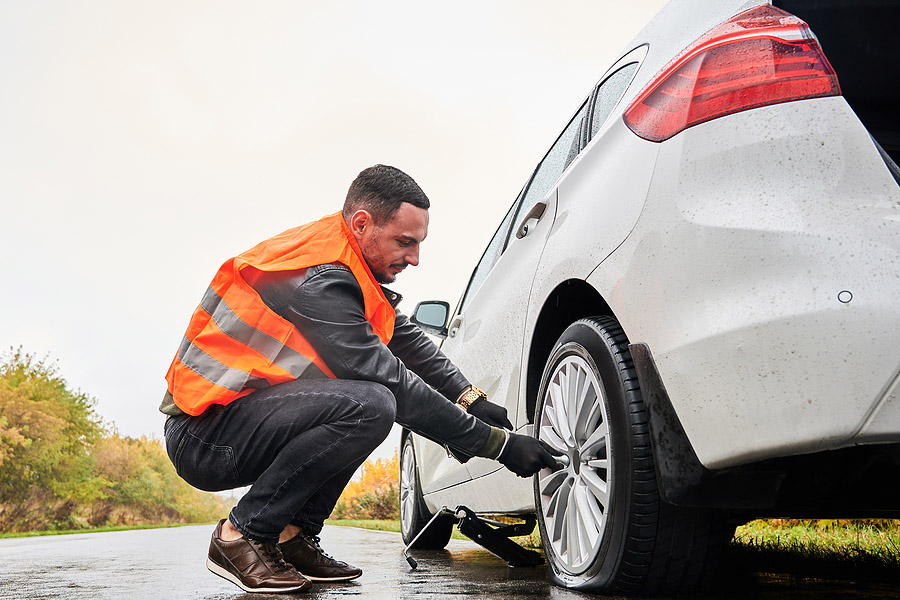
The landscape of roadside support has transformed remarkably over the past decade. No longer is help on the road limited to being towed to a distant mechanic. Today, drivers have access to a suite of essential services, including on-site battery jumpstarts, emergency fuel delivery, flat tire changes, lockout assistance, and minor mechanical fixes—all designed to help you get back on the road faster. Increasingly, choosing professional roadside help is about far more than convenience; it’s a safety net tailored for modern mobility.
These expanded offerings mean roadside assistance is more responsive and better aligned with contemporary challenges. Service providers now focus on minimizing driver downtime and offering peace of mind, regardless of your location or the type of vehicle you’re operating.
As roadside services evolve, drivers are empowered to resolve common automotive issues on the spot. Comprehensive support networks and trained technicians provide a lifeline not only on highways but also in urban, suburban, and rural settings, boosting driver confidence and travel safety.
Technological advances have enabled seamless digital integration into roadside assistance. If you’re stranded, a digital request through a mobile app or a call to your provider can quickly summon help, track the provider’s arrival, and even allow you to communicate directly with technicians for better preparation.
The Role of Technology in Roadside Services
Technology is redefining when, where, and how roadside assistance is deployed. GPS tracking enables providers to locate vehicles accurately, reducing both wait times and driver anxiety. Integrated mobile platforms allow drivers to request, monitor, and confirm assistance directly from their smartphones. Some modern vehicles can even transmit fault data or diagnostic information to the provider instantly, ensuring the right equipment and expertise arrive at your location.
The adoption of artificial intelligence and real-time analytics is improving predictions of breakdown trends and optimizing the deployment of assistance vehicles. This data-driven approach yields more responsive, efficient service, with dispatchers having up-to-the-minute knowledge of local traffic, weather conditions, and technician availability.
Preparing for Roadside Emergencies
While technology and skilled assistance bridge many gaps, personal preparedness remains fundamental. Assembling an emergency kit—including a flashlight, bottled water, first-aid supplies, a multimeter, tools, jumper cables, and non-perishable snacks—can significantly improve your safety and comfort during an emergency.
Performing regular vehicle maintenance, such as checking fluid levels, tire condition, battery health, and brake systems, also dramatically reduces the likelihood of breakdowns. Informed drivers should familiarize themselves with their vehicle’s key emergency features and the coverage details of their chosen roadside plan.
Safety Tips While Waiting for Assistance
The moments after a breakdown demand focus on safety above all else. When possible, move your vehicle off the road to a secure spot away from traffic. Once stopped, activate your hazard lights to increase visibility to other motorists. If you have reflective triangles or road flares, set them up in accordance with local safety guidelines. Unless it is unsafe or necessary to exit (such as a fire hazard or dangerous traffic conditions), remain inside your vehicle for protection from the elements and passing vehicles.
Choosing the Right Roadside Assistance Provider
Selecting a roadside assistance provider calls for thoughtful consideration. Evaluate the coverage area, ensuring preferred providers are available in the locations you travel frequently. It’s also important to compare response times and ask for current data or reviews to gauge provider reliability. Review the menu of services offered and confirm that they include all critical needs—whether that’s mobile battery replacement, flat tire service for specialty wheels, or support for electric vehicles.
The Future of Roadside Assistance
The industry’s next generation will likely feature even tighter digital integration. In-vehicle alert systems and real-time data sharing are already improving coordination between motorists and responders, enhancing safety for both drivers and service personnel. Connected vehicle technology can autonomously notify emergency services of a breakdown, expediting rescue and further streamlining the entire process. These innovations ensure that roadside help becomes safer, faster, and more effective, ultimately benefiting all drivers.
Conclusion
Modern roadside assistance offers dynamic, comprehensive support that reflects the realities of today’s roads and vehicles. The blend of preventative strategies, instant digital access, and highly trained responders ensures that drivers can face unexpected setbacks with confidence. By staying informed, prepared, and selective in the services you choose, you can turn travel challenges into manageable interruptions, ensuring every journey is safer and more seamless.