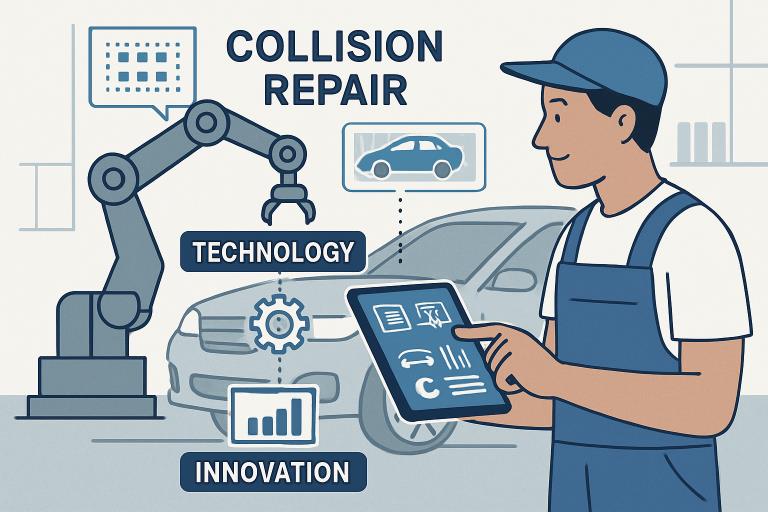
The collision repair industry is experiencing an unprecedented era of change, fueled by cutting-edge technologies that are transforming every aspect of the repair process. From digital diagnostics to advanced manufacturing techniques, today’s advancements are making auto repairs faster, safer, and more precise than ever before. Whether you’re a vehicle owner or a shop manager, learning how innovations are impacting the sector will help you appreciate the benefits of modern collision repair services in Sun Valley.
Innovations such as artificial intelligence, robotics, and augmented reality are bridging the gap between traditional craftsmanship and future-forward efficiency. As consumer expectations rise and the complexity of modern vehicles increases, the collision repair industry must adapt continually to stay ahead. Technology doesn’t just improve shop productivity—it also enhances customer experiences by improving transparency, reducing turnaround times, and ensuring higher-quality repairs.
AI in Damage Assessment
Artificial Intelligence is quickly becoming an industry standard for initial vehicle damage evaluations. AI solutions analyze high-resolution images of accidents, recognize damage zones with razor-sharp accuracy, and deliver instant estimates. This eliminates the need for manual inspections that can result in delays or inaccuracies, ensuring repairs start sooner and are more precise. AI technology can even detect problems beneath the surface, revealing hidden damage that traditional assessments might miss. This streamlined assessment results in happier customers and lower operational costs, as noted in a Forbes article on automotive AI.
3D Imaging and Laser Scanning
Advanced 3D imaging and laser scanning technologies allow technicians to create detailed digital models of damaged vehicles, enabling them to map out dents, scrapes, and structural deformities with millimeter-level precision. These scans—a process far beyond traditional manual measurements—not only guide the repair strategy but also assist with achieving perfect paint finishes and proper structural alignment. By utilizing this technology, shops can ensure consistent results and increase customer trust in the finished product.
Robotics in Repair Processes
Robotic arms and automated tools are making their mark on collision repair by handling repetitive or physically demanding tasks, such as sanding, welding, and part replacement. The benefits are twofold: technicians are relieved of monotonous activities that can lead to fatigue or injury, and repairs are carried out with repeatable precision, minimizing errors. For businesses servicing large fleets, automation maximizes efficiency by enabling simultaneous repairs across multiple vehicles, resulting in less downtime and scalable operations.
Augmented Reality for Technician Training
As vehicle systems become increasingly complex, training for collision repair professionals must evolve accordingly. Augmented reality (AR) devices display step-by-step instructions directly onto the vehicle, overlaid in real time, which accelerates learning and boosts repair accuracy. This immersive training is particularly valuable for advanced collision repair and paint jobs, helping technicians gain confidence and competence while reducing on-the-job errors. For new hires and seasoned experts alike, AR expedites knowledge transfer and raises industry-wide repair standards.
Electric and Hybrid Vehicle Repairs
More electric and hybrid vehicles are hitting the road each year, challenging collision repair shops to upskill and retool their operations. Servicing these high-voltage vehicles requires special training, advanced equipment, and above all, strict safety protocols. Technologies like AI-powered diagnostics and robotics streamline the safe handling, disassembly, and refitting of batteries and sensitive electronics, helping shops future-proof their services for the evolving auto market. According to Consumer Reports, the ability to repair EVs safely and efficiently is now a key differentiator in the industry.
Data-Driven Quality Control
Modern collision centers are embracing a data-driven approach to quality control by deploying sensors, cameras, and robust software to monitor every step of the repair process. These tools collect performance metrics and identify inconsistencies, alerting managers to potential issues before vehicles are returned to owners. For operations managing multiple repairs or fleet vehicles, centralized analytics help pinpoint training opportunities, optimize workflow, and set benchmarks for long-term service reliability.
3D Printing for Part Fabrication
3D printing is transforming the automotive repair industry by enabling custom repairs, rapid prototyping, and on-demand part production. With this advanced technology, shops can manufacture complex, discontinued, or hard-to-find components right on-site, eliminating long wait times for specialty parts. This capability allows technicians to create precise, tailored solutions that traditional suppliers often cannot provide. It is especially valuable for shops that deal with supply chain delays or service rare and unique vehicle models. By producing parts quickly and efficiently, 3D printing helps reduce overall turnaround time and significantly enhances client satisfaction.
Conclusion
Technology’s impact on collision repair is both undeniable and continuously evolving, reshaping how modern shops diagnose, plan, and execute repairs. Facilities that adopt AI-driven estimating tools, robotic systems, 3D printing for custom parts, and advanced digital platforms gain a significant advantage in precision, speed, and consistency. These innovations help ensure repairs are more accurate, efficient, and transparent for customers who increasingly expect seamless service experiences. As vehicles become increasingly complex, with integrated sensors and advanced materials, embracing cutting-edge technology is no longer optional—it is essential for repair shops to remain competitive and thrive in the future automotive industry.