What Makes a Fabric Worth Choosing
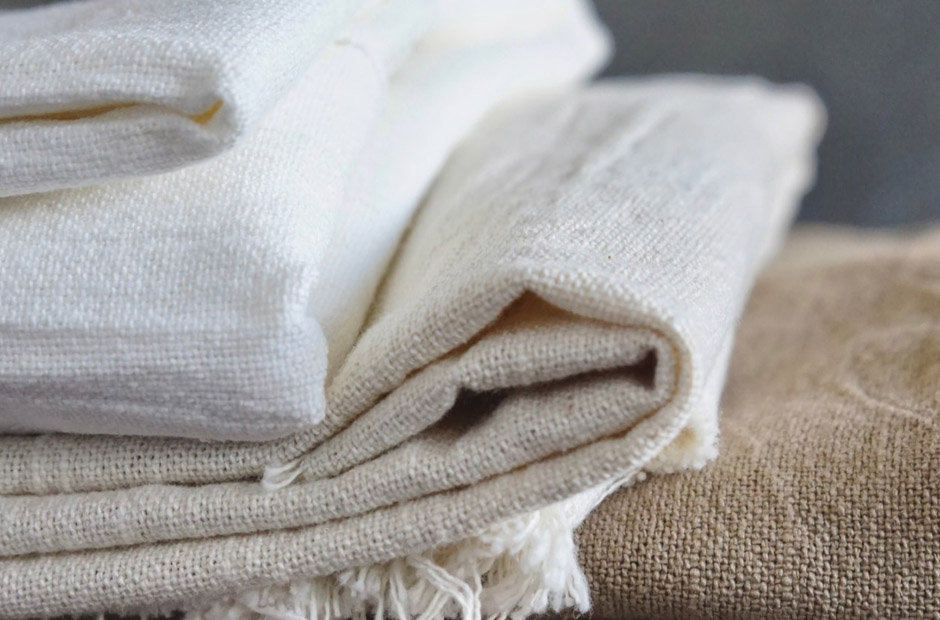
Whenever I pick up a new fabric, the first thing I do is simply touch it. After years of working with textiles, you start trusting your hands more than anything else. A good fabric tells you who it is right away – whether it has life, structure, softness, or that quiet confidence that it’ll survive more than one season.
I always look at the weave first. If the threads sit evenly and the surface feels balanced, that’s usually a sign of care at the mill. Natural fibers like cotton, linen, wool, and silk still feel the most honest to me – they breathe, age well, and soften along the way. But modern blends can surprise you too. I once worked with a cotton‑silk blend from Albini that felt light as air yet held stitches perfectly.
And color retention? If a fabric fades after two washes, it never stood a chance. Gently stretching a swatch and checking if the shade stays even is a quick trick I rely on.
In the end, the “right” fabric is the one that feels like it wants to work with you – not against you.
Another small thing I’ve learned over time is to listen to how a fabric reacts when you fold or pinch it. Some materials spring back immediately, which often means they’ll hold shape well in garments that need structure. Others fall softly with no resistance, making them perfect for flowing silhouettes. These tiny reactions tell you more than any label ever could. And when a material both feels good in the hand and behaves consistently during small tests, that’s usually a sign you’ve found something worth working with.
Why Sustainable Fabrics Matter Today
Sustainability isn’t a buzzword for me. It’s something you start thinking about naturally when you see how many fabrics get thrown out because they weren’t made to last. I’ve seen fast‑fashion textiles crumble in months, while a well‑woven cotton from Liberty London can look almost untouched years later.
Quality is sustainability – that’s the part many people overlook. A durable fabric means fewer replacements, fewer discarded garments, and less waste overall. And sustainability doesn’t have to look rustic. Tencel and Modal, for example, feel incredibly smooth and refined. Patagonia and Eileen Fisher use them not because they’re trendy, but because they perform.
Then there’s recycled wool from Italian mills like Manteco – one of my favorite examples of circular design done right. Soft, dependable, and genuinely luxurious.
In my own studio, high‑quality sustainable fabrics practically eliminate production stress. They cut cleaner, behave predictably, and create fewer offcuts. Less waste, less frustration.
Choosing sustainable fabrics isn’t about being perfect – it’s about choosing pieces you’ll actually wear and keep.
I’ve also noticed that people connect more deeply with garments made from sustainable materials. There’s a sense of pride in knowing where the fiber came from or how the mill reduced its water use. When a client tries on a piece made from organic linen or recycled wool, they often comment not just on the comfort, but on the story behind it. That emotional connection is powerful, and it’s part of why sustainability has become such a natural part of modern design conversations.
Jacquard as a Great Example of Quality and Longevity
Jacquard is one of those fabrics that just stays with you. I still remember the first time I unrolled a bolt from a small Italian mill – the pattern wasn’t printed, it was alive inside the weave. You see the depth before you even lift the cloth.
What I admire most about jacquard is how steady it is during sewing. Some fabrics wiggle, stretch, or shift the moment you try to shape them, but jacquard listens. Whether I used it for structured jackets, evening dresses, or even home décor, it always held the design exactly the way I imagined.
One of my favorite pieces is a jacquard skirt I made six years ago. I’ve worn it endlessly, and it still looks new – no pilling, no thinning, the pattern as crisp as day one.
Good jacquard – like the curated options at Beglarian Fabrics – is surprisingly low‑maintenance. Since the design is woven in, not printed on, it doesn’t rub off or fade with time.
In a world where fabrics often aim for quick trends rather than longevity, jacquard feels grounding. It’s sturdy, expressive, and made to stay.
What often surprises people is how versatile jacquard can be. While many imagine it only for formalwear, lighter jacquard works beautifully for everyday tops, skirts, and even accessories. I’ve made simple tote bags out of leftover jacquard scraps, and they’ve held up better than most heavy canvas bags I’ve owned. The fabric’s integrity gives even the simplest project a sense of intention and artistry.
How to Pick the Right Fabric for Your Project
Every project begins with understanding what you want the final piece to feel like. A breezy summer dress needs a fabric that moves; a coat needs structure. Before anything else, I hold the fabric up and watch how it drapes – it’s the simplest and most reliable test.
For everyday garments, durability matters. Tighter weaves or blends built for strength will outlast lighter options. For delicate clothing like blouses or skirts, fine cottons, silks, or light jacquards create that effortless elegance.
I also always check color fastness. A quick rub with a damp cloth or slight stretch can tell you a lot.
And finally – sourcing. Buying from trusted suppliers makes a world of difference. Stores like Beglarian Fabrics curate their collections, which means you’re choosing from materials that have already passed someone else’s quality filter.
The right fabric should make your project feel exciting, not intimidating – something that inspires you the moment you touch it.
If you’re ever unsure, I recommend starting with small swatches. Lay them next to each other, drape them over your arm, or pin them to your dress form. Fabrics reveal their personality when you interact with them, and sometimes the one you least expect becomes the perfect match. Taking your time in this stage not only leads to better results but also makes the creative process more enjoyable.