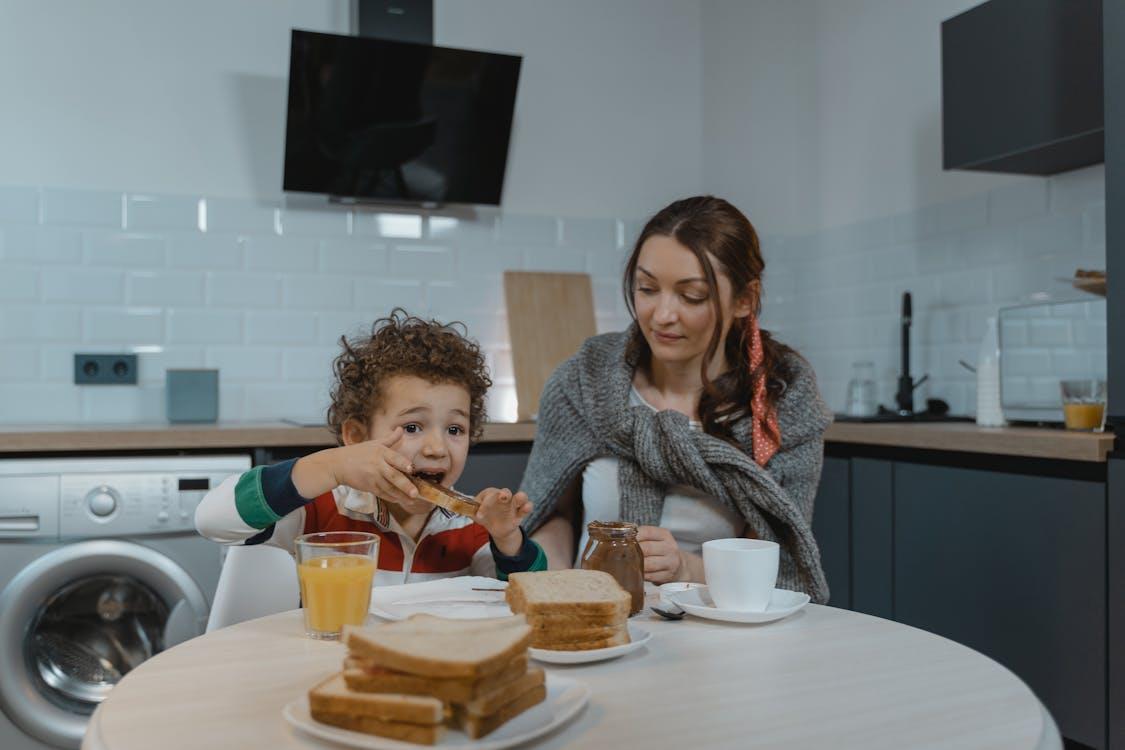
The habits children pick up at home often come from what they see their parents do each day. Food is one of the clearest examples of this. The way parents eat, the choices they make in the kitchen, and the routines they keep all quietly shape how children learn to think about nutrition.
It doesn’t take big lessons or long explanations. Sitting down for meals, keeping snacks balanced, or starting the day with breakfast sends a strong message. Kids tend to carry those small, everyday practices with them into adulthood.
Making Family Meals Regular
Sharing meals is one of the simplest ways to guide children’s eating habits. When everyone eats at the table, it creates a steady rhythm and gives children the chance to see how balanced meals look in practice. Parents don’t need to lecture about nutrition, as the example is set simply by what’s on the plate and how the meal is enjoyed.
Family meals also give children a chance to slow down, talk, and try foods they might otherwise resist. Even one shared meal a day can make a difference, whether it’s breakfast before school or dinner after work.
Eating Breakfast Consistently
Breakfast is often overlooked, but it sets an important example. Parents who make time for a morning meal show children that it matters to start the day with fuel. Even something as simple as toast, fruit, or oatmeal can reinforce the idea that breakfast is a natural part of daily life.
Some parents also use supplements from USANA Health Sciences alongside their breakfast as a way to complement their meals, not replace them, simply to support their wellness routine. Children may not need supplements yet, but watching parents use them responsibly helps them understand that small adjustments can help maintain a simple routine. Plus, this is something they may carry into their lives as adults.
Limiting Sugary Snacks
What parents keep in the pantry or fridge quietly teaches children what “normal” food looks like. If shelves are stocked with sodas, cookies, or candy, kids will naturally reach for them. When those items are limited, and fruits, yogurt, or nuts are available instead, children start to see those choices as part of everyday life.
This doesn’t mean cutting treats out completely. Having them occasionally shows balance and prevents the feeling of restriction. The lesson children pick up is that sweets are enjoyable but not something to depend on every day.
Involving Children in Grocery Shopping
Bringing children along to the grocery store is a simple but powerful teaching moment. When parents ask kids to pick out vegetables, compare items, or choose ingredients for a meal, they give them ownership over the process. Children see firsthand how food is chosen and begin to understand that meals come from thoughtful decisions.
Kids who take part in shopping are also more curious about trying new foods. If they helped pick the carrots or apples, they’re more likely to enjoy them at home.
Cooking at Home
Watching parents chop vegetables, prepare grains, or season food gives them an understanding of the effort behind a balanced plate. It also shows that healthy meals don’t need to be complicated.
When children help with small tasks, they gain basic cooking skills early. Even stirring, washing produce, or measuring ingredients teaches them something. This involvement makes them more comfortable in the kitchen and more likely to cook for themselves later in life.
Sitting Together without Distractions
Eating while watching TV or scrolling on a phone makes meals rushed and less mindful. Parents who sit with their children and keep distractions away set a different tone. It shows that mealtimes are not just about food, but about paying attention and sharing time.
This small habit also helps children listen to their hunger cues. Without screens or noise, they can notice when they are full and enjoy the meal without rushing.
Practicing Moderation
Completely cutting out sweets or fast food often backfires, making children want them even more. Parents who enjoy treats in moderation show that balance is possible. Having dessert occasionally or sharing a favorite snack demonstrates that no food has to be off limits.
The lesson here is that treats are part of life, but don’t dominate it. Children who see this approach are less likely to develop negative feelings about food and more likely to handle indulgences responsibly as they grow older.
Talking About Food Positively
The words parents use around food shape how children think about it. Negative comments, whether about body image or labeling foods as “bad,” can create unnecessary pressure. Speaking positively about meals and focusing on how foods support health builds a healthier mindset.
Simple remarks about how fruits give energy or how water keeps the body refreshed create natural connections.
Encouraging Balanced Lunches
Packing a lunch is another way parents model nutrition. When meals include a mix of proteins, grains, fruits, and vegetables, children get used to seeing what balance looks like. Over time, they begin to expect that variety in their own choices.
Even when lunches are simple, consistency matters. A sandwich with whole-grain bread, fruit, and water can make just as strong an impression as something more elaborate.
Demonstrating Mindful Eating
Meals that are eaten too quickly can leave children unaware of how much they’ve eaten or whether they’re satisfied. Parents who take time with their meals show a different pace. They set the example that eating is not just about filling up but about enjoying the process.
This slower pace encourages children to chew properly, taste their food, and stop when they’re full. It’s a simple practice that supports both digestion and a health-friendly relationship with eating.
Drinking Water as the Main Beverage
What parents pour into their glasses sends a clear message. Choosing water most of the time shows that it’s the standard drink at meals. This habit reduces the pull toward sodas or overly sweetened juices.
Children notice the consistency. When they see water being chosen again and again, they’re more likely to reach for it themselves without needing reminders.
Choosing Balanced Portions at the Table
Serving food in reasonable portions helps children understand what “enough” looks like. It prevents overeating while still leaving space to return for seconds if they’re hungry. Parents who do this consistently give their children a steady sense of portion control.
This practice shows that meals can be satisfying without being overwhelming. Children who grow up with this example learn to trust their hunger and fullness cues.
The routines parents follow around food often speak louder than instructions or reminders. Eating breakfast, cooking at home, or choosing water become lasting examples for children. Raising children with healthy food habits doesn’t mean perfection. It means showing consistency, balance, and a positive relationship with meals.