
Embarking on a career in the culinary arts can be an exciting journey, infused with passion and punctuated by the promise of creative fulfillment. Prospective chefs recognize the importance of finding the right educational foundation to hone their skills and enrich their culinary expertise. Selecting a suitable culinary school requires careful consideration of various factors, including the institute’s prestige, the specifics of its program offerings, and the culinary school cost. Below, we delve into these critical aspects to guide you on your path to gastronomic mastery.
Accreditation and Reputation of Culinary Schools
Destined to be the launching pad for a successful career, a culinary school’s accreditation is a prime indicator of its quality and commitment to educational excellence. Accredited institutions have met stringent standards, ensuring that their culinary programs deliver the requisite knowledge and competencies. While accreditation doesn’t guarantee success, it does provide a measure of security, signaling that the school’s curriculum is respected within the industry.
Apart from formal accreditation, the reputation of a culinary school is built on its history, the prominence of its faculty, and the achievements of its alumni. Esteemed culinary schools often boast experienced instructors who are leaders in their field, providing students with insight into the industry and connections that are vital for their professional network.
Curriculum and Specialization Options in Culinary Education
The heart of any culinary school is its curriculum, which should match your interests and career aspirations. Fundamental courses are critical, but specialization options can help refine your skills in a particular area of the culinary arts. Whether you’re drawn to patisserie and baking, avant-garde cuisine, or sustainable cooking practices, the availability of specialized courses is crucial.
Investigating the curriculum further, it’s important to discern the balance between theoretical knowledge and practical skill-building. Theory is vital for understanding the science and history behind culinary practices. However, the ability to translate this knowledge into actual cooking expertise is paramount, and the curriculum should reflect this balance.
Additionally, consider the opportunity to experience real-world culinary challenges within the confines of the educational environment. Some schools offer programs that simulate restaurant operations or provide catering services, offering invaluable exposure to the pace and pressures of the culinary industry.
A varied curriculum can also facilitate exposure to international cuisines and avant-garde culinary techniques. This global perspective is invaluable for chefs who aspire to innovate and lead in the kitchen. For those interested in the business side of gastronomy, courses in restaurant management, finance, and entrepreneurship are equally significant.
Hands-On Experience and Kitchen Facilities
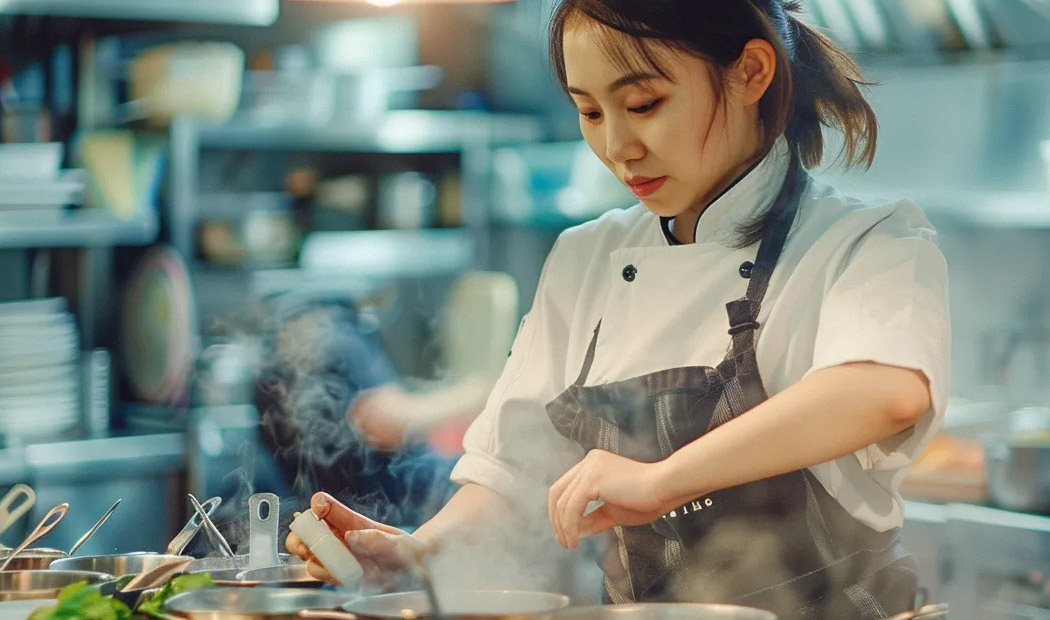
For aspiring chefs, the availability of hands-on training is non-negotiable. Top-notch culinary schools feature state-of-the-art kitchen facilities that simulate professional environments, enabling students to cultivate their culinary artistry with the appropriate tools and equipment. These facilities should be well-maintained and spacious, fostering a conducive learning atmosphere.
Experiential learning is further enhanced by the extent to which students can engage in practical training. The best programs offer extensive hours of direct kitchen experience under the tutelage of experienced chefs. This immersive approach is invaluable in instilling confidence and proficiency in future culinary professionals.
Location and Cultural Influence on Culinary Training
The location of a culinary school can greatly affect the style and substance of its educational offerings. Proximity to vibrant food scenes in cosmopolitan cities provides students with exposure to a medley of culinary traditions and trends. It’s beneficial to be where gastronomy thrives, soaking up the dynamic energy of a city teeming with culinary innovation.
Alternatively, schools located in regions known for specific culinary traditions or ingredients expose students to unique cooking practices and local cuisines. Such an environment can be particularly enriching for those wishing to specialize in regional dishes or sustainable cooking, with fresh, locally sourced ingredients at their fingertips.

Alumni Success Stories and Career Support Services
When assessing culinary schools, it’s insightful to look at the achievements of their graduates. Alumni success stories serve as inspiration and a testament to the efficacy of the school’s training programs. A history of producing accomplished chefs who make their mark in the culinary world speaks volumes about the institution.
Career support services are critical in assisting graduates as they transition from the educational setting to the professional kitchen. Schools that offer robust career planning, job placement assistance, and networking opportunities actively contribute to their students’ success. Additionally, continuous education and professional development resources for alumni can be incredibly advantageous.
Altogether, choosing the right culinary school is a multifaceted decision that hinges on a myriad of factors. Acknowledging the accreditation and reputation of the institution, the depth and breadth of its curriculum, the hands-on experience it facilitates, the cultural richness of its location, and the success of its alumni can significantly influence your culinary career trajectory.