If you’ve ever caught your reflection in golden-hour light and wished your skin looked that radiant all day, you’re not alone. Uneven tone, dullness, and stubborn discoloration have a way of stealing the spotlight. The good news: modern med spa treatments can tilt the scene back in your favor—safely, strategically, and with results that build over time. Think of it as set design for your skin: precise tools, thoughtful sequencing, and a little patience for the reveal.
Below, we break down six tried-and-true treatments for tone, brightness, and clarity, plus how they differ, who they suit best, and what to expect on the road to your own camera-ready glow.
Chemical Peels
Peels are popular because controlled exfoliation is one of the best ways to restore texture and tone. Chemical peels use alpha or beta hydroxy acids, trichloroacetic acid (TCA), or blended formulae to dissolve the “glue” binding dull, damaged surface cells. Fresher, more even skin emerges as that layer lifts.
Light peels are the weekday warriors: minimal downtime, consistent brightening, and refinements in fine texture. Medium-depth peels push deeper into pigment and wrinkles, softening brown spots and stubborn blotchiness with a few days of visible peeling. Deep peels are power players for significant sun damage and etched-in discoloration, but they come with serious downtime and strict aftercare. The art is in the match: your provider will align peel depth and ingredients with your skin tone, history of sensitivity, and goals—aiming for measurable change while protecting your skin barrier.
Microdermabrasion
Quick polish before the big scene is microdermabrasion. It softly buffs away the outermost layer of dead cells with a crystal spray or diamond-tipped wand to smooth roughness and soften superficial discolouration. The outcome is a fresh, exfoliated radiance without flakes or recovery time.
This approach also boosts circulation and collagen activity, brightening your skin and aiding skincare work. Although it doesn’t lift deep hyperpigmentation, it’s a lovely supporting act, especially between more targeted treatments or as an on-ramp for reactive or fresh skin.
Laser Skin Resurfacing
Laser resurfacing is precise and powerful for deep-seated discolouration and texture such sun spots, tone abnormalities, and acne scars. Lasers modify collagen and order cell turnover by directing focused light into specific skin layers. New collagen softens dark spots, evens mottling, tightens pores, and blurs scars.
Ablative lasers (like CO2 or erbium) remove micro-thin layers of skin, delivering dramatic improvements with noticeable downtime. Non-ablative lasers keep the surface intact while heating deeper layers to stimulate change more gradually and with less interruption to your schedule. The best part is customization: energy, density, and passes can be tuned to your skin type and goals—and combined with staged sessions for elegant, natural-looking progress.
Microneedling
Microneedling is the minimalist’s secret weapon—simple mechanics, major payoff. A device creates micro-channels in the skin with ultra-fine needles, kickstarting a repair cascade that boosts collagen and elastin. Over several visits, tone looks more even, fine lines ease, and shallow scars and post-acne marks step into the background.
Due to the open micro-channels, microneedling with specific serums (such brightening actives or growth factors) or platelet-rich plasma can boost results. This option is suitable for various skin types, with a day or two of pinkness and a velvety-smooth feel after the initial glow. Series consistency is the quiet hero: most people want refinement.
Intense Pulsed Light (IPL) Therapy
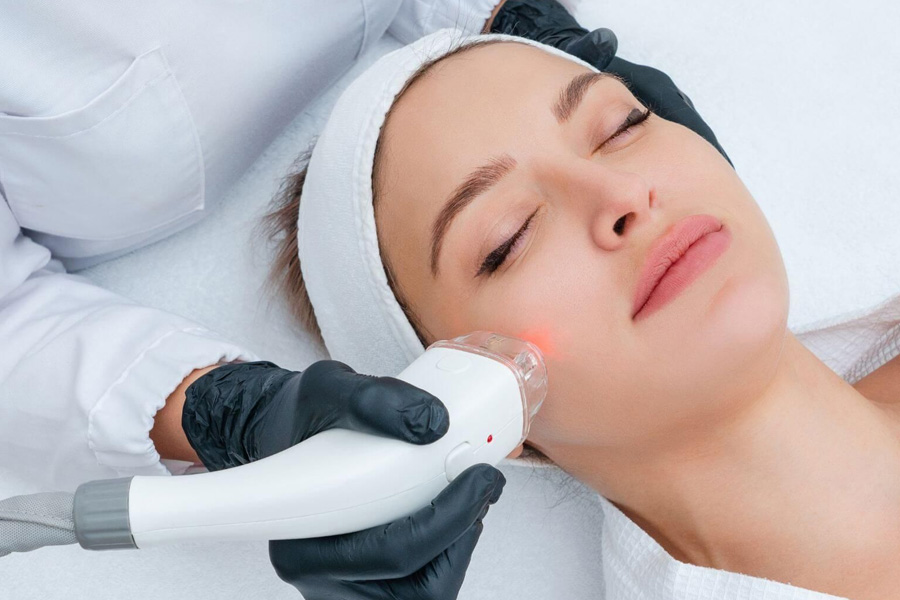
Think of IPL as your kit’s colour corrector. Broad-spectrum light filtered to target brown and red pigment breaks up sun spots, freckles, and visible blood vessels while reducing blotchiness. After a session, brown spots may develop briefly before lifting naturally over a week.
Because IPL isn’t a true laser and doesn’t resurface like ablative treatments, downtime is usually minimal—perfect if you’re balancing a busy calendar with a desire for gradual, noticeable brightening. A series, set a few weeks apart, typically moves the needle most effectively. It’s especially satisfying on sun damage across the face, chest, and hands.
HydraFacial
HydraFacial combines smart skin approach with rapid delight. A sleek, glass-skin finish is achieved after this three-step treatment cleanses and gently exfoliates, conducts gentle vacuum-assisted extractions, and fills the face with nourishing, antioxidant-rich serums.
While it won’t eradicate deep pigment, HydraFacial helps preserve clarity, control pores, and support a healthy barrier so other tone-correcting treatments perform better and recover faster. Due to its no-downtime and customisable boosters that target dullness, redness, or fine wrinkles, it’s a popular pre-event selection that pays off when scheduled frequently.
Personalizing for Your Skin Tone and Type
Magic is in the match. Fair, freckle-prone skin responds well to IPL and light-to-medium peels, whereas deeper skin tones benefit from lower energy settings, pigment-safe lasers, and peels that reduce post-inflammatory hyperpigmentation. Heat and forceful exfoliation can backfire when treating melasma, but a gentler, multi-visit method that lowers pigment activity and strengthens the barrier works best.
A thoughtful consultation should cover your Fitzpatrick skin type, history of sensitivity, hormonal influences, topical routines, and sun habits. Expect your provider to map a sequence rather than a single showstopper: maybe a peel to reset, microneedling to rebuild, then focused laser work to finesse dark spots—paced so your skin has time to respond.
Downtime, Results, and Maintenance
Your calendar matters as much as your goals. Microdermabrasion and HydraFacial are lunch-break-friendly. IPL usually delivers a week of “peppery” darkened spots. Microneedling leaves a day or two of flush and a few days of micro-flaking. Ablative laser and deeper peels demand real downtime but can leapfrog your progress in one go.
Most tone concerns are a series story, not a single-episode fix. For many people, three to five sessions—spaced three to six weeks apart—strike the right cadence, followed by maintenance a few times a year. Daily sunscreen (truly non-negotiable), pigment-safe actives, and barrier-friendly hydration keep results crisp between visits and help prevent new discoloration from creeping in.
Safety, Comfort, and What It Feels Like
Comfort levels vary, but modern numbing creams, cooling devices, and precise settings keep most treatments manageable. You might feel a spicy tingle during a peel, a rubber-band snap with IPL, a sunburned warmth after some lasers, or a prickle-and-pulse sensation during microneedling. Post-care is straightforward: gentle cleansers, bland moisturizers, strict sun protection, and a temporary pause on strong actives until your provider gives the green light.
Honest intake forms and open communication improve safety. Please list your skincare products (particularly retinoids and exfoliating acids), sun exposure, and pigment changes or keloids. A skilled supplier starts slowly; the goal is steady growth, not sudden diversions.
Stacking and Sequencing for Better Results
Treatments often shine brighter in combination. A light peel a week or two before microneedling can prime the surface for smoother glide and more uniform results. IPL can be alternated with non-ablative lasers to chip away at reds and browns while nudging collagen. HydraFacial slots in between to keep pores clear and hydration topped up so your skin handles the bigger moves with grace. The throughline: spacing. Your skin needs recovery windows to bank the gains.
Who Sees the Biggest Change
If your main complaints are sun spots, post-acne marks, dullness, and the general “why do I look tired?” effect, you’re in the sweet spot for these modalities. Textural roughness, fine lines, and early laxity often improve alongside tone—because many of these treatments increase collagen and refine the surface as they quiet pigment. Even long-term skincare aficionados are surprised by how strategic in-office work can amplify the products they already love.
FAQ
How many sessions will I need to see results?
Most people see meaningful change after 3–5 sessions, spaced a few weeks apart, with maintenance a few times per year.
Which treatment is best for uneven skin tone?
It depends on your skin type and concern: peels and IPL target pigment; lasers address deeper discoloration and texture; HydraFacial and microdermabrasion boost clarity and glow.
Is IPL safe for darker skin tones?
It can be used cautiously with the right filters and settings, but alternative devices or pigment-safe lasers are often preferred for deeper complexions.
What’s the difference between IPL and laser resurfacing?
IPL uses broad-spectrum light to target red and brown pigment with minimal downtime, while lasers deliver focused energy for deeper remodeling and more dramatic change.
Will I need downtime?
HydraFacial and microdermabrasion have no downtime, IPL and microneedling have mild, short recovery, and ablative lasers or deep peels require more significant downtime.
Can these treatments help with acne scars?
Yes—microneedling and laser resurfacing are particularly effective for softening acne scars and improving overall texture.
Are results permanent?
Improvements are long-lasting with maintenance and daily sun protection, but new discoloration can develop from UV exposure and inflammation.
What should I avoid before treatment?
Typically sun exposure, self-tanning, and strong actives like retinoids or acids for several days; your provider will give a tailored prep plan.