As dawn breaks over the job site, steel shines and the first delivery truck arrives. A cascading effect of jobs follows crew stretching and radio crackling. The lift often determines the day’s success in California, where permitting windows, union shifts, and weather can tighten the clock. Crane errors cause delays. Correct it, and the operation runs smoothly.
Why the Right Crane Matters
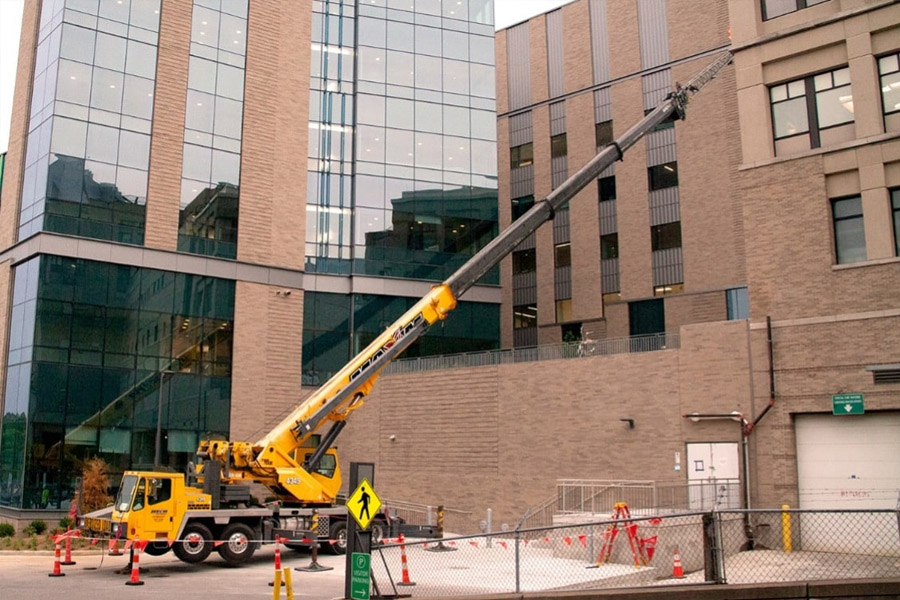
Not all cranes tell the same story. A hydraulic truck crane can thread through city streets and be set up fast. A rough-terrain crane rules uneven ground. Crawler cranes deliver massive capacity with uncompromised stability. Tower cranes turn vertical work into a ballet of reach and repetition. Spider cranes squeeze into courtyards where no truck can go.
The improper machine requires extra repositioning, insufficient radius, unanticipated ground prep, or creative rigging that slows the crew. The correct machine reduces setup, increases working windows, and predicts lifts. It’s also safer. Correct capacity, boom length, and counterweight balance reduce tipping, swing, and load sway. When the crane works, confidence rises.
A solid California rental partner will dig into your plans, site constraints, and lift sequence, then match equipment to your technical needs and your budget. That alignment is how schedules stick.
Choosing the Perfect Fit
Start with the lift, not the crane. What does the load weigh? How big is it? How far out is the pick radius, and how high do you need to fly it? What obstructions lurk—power lines, parapets, trees, signage? What does the ground look like—compacted, slab-on-grade, soft fill? How tight is access?
Good teams create lift plans from there. Set limits with load charts. Sling angles and hardware are defined by rigging diagrams. Crane matting and outrigger pads are sized for ground pressure. Trial placements on a site model prevent surprises behind fences and overhangs. Think lane widths, weekend closures, and noise curfews in urban areas like LA and SF. On the coast, salt air and wind speed matter more than you realise.
It’s details like these—decided days or weeks before the crane rolls—that keep the timeline clean.
Scheduling Without Stumbles
Timing is everything. Oversize transport doesn’t move when it wants; it moves when the permit says. City streets close within narrow windows. Union start times are fixed, and inspection slots don’t bend easily. The rental provider who lives inside this reality becomes a scheduling ally, not just a vendor.
That means staged deliveries for counterweights, a pre-rig day if needed, and operators who are there before sunrise to do walk-arounds. It means contingency lifts queued up when a truck runs late, and demobilization planned so the site isn’t held hostage by a parked crane. Done right, the crane arrives ready, sets up without drama, lifts on cue, and disappears before traffic cones come down.
Safety and Compliance in California
California raises the bar—and for good reason. Certified operators, qualified riggers, and documented lift plans aren’t “nice to have,” they’re the ground rules. Wind limits aren’t guesses; they’re posted numbers. The signal person is a named role, not whoever waves the biggest.
Emissions matter too. In large metro regions and districts with tight emission limits, modern fleets with cleaner engines meet air quality criteria. Site safety includes public interface flags, swing radius exclusion zones, boom anemometers, and ground stabilisation where mud or fill could betray you. Compliance in the leasing process means less firefighting and more building.
Cost and Flexibility
Buying cranes puts you in one story. Renting allows you accommodate script changes. A small rough-terrain for the foundation, an all-terrain with longer reach for the façade, and a truck crane to set rooftop mechanicals in a weekend are tactical choices, not sunk costs.
Storage, maintenance, licensing, inspections, and service intervals are avoided. You may control standby charges with transparent pricing (bare rental vs. operated-and-maintained). New cranes save fuel, cut emissions, and expedite lifts. Flexibility protects against scope creep.
Operators and Lift Planning
A seasoned operator is a time machine. They shave seconds off each pick, read wind like a sailor, and communicate with your crew in a rhythm that feels almost choreographed. Add skilled riggers, and miscommunication evaporates.
A pre-lift huddle—who speaks, signals, stops the lift—prevents misunderstanding on the ground. Detailed blueprints with rigging gear lists, pick points, and taglines prevent load spins. On narrow sites, ground alignment saves minutes aloft, which can make or break the day.
Logistics: Delivery, Set-Up, and Demobilization
Think beyond “truck arrives.” You’ll need room to stage counterweights, a clear path to position the crane, and stable ground for outriggers or tracks. If you’re curbside, plan traffic control, barricades, and flaggers. If you’re inside a live facility, plan for escorts, access badges, and off-hours moves.
Demobilization should be choreographed, too. Tear-down without chewing up the site, haul-out that doesn’t collide with your concrete pour, and a clean handoff to the next trade. A rental team that runs logistics like clockwork keeps your Gantt chart breathing easy.
Weather and Site Conditions
California’s microclimates can turn a calm morning into a windy afternoon. Gusts at 200 feet don’t always match wind at ground. A well-set threshold with live monitoring makes the go/no-go call clear. Rain changes friction and ground bearing; mats and outrigger cribbing may need a bump. Heat impacts hydraulics and crew endurance; shade and planned breaks keep performance steady. In the mountains, snow and freeze-thaw cycles beg for extra caution. The rental partner with flexible windows and quick rescheduling protects your critical path.
Tech and Fleet Modernization
Cranes today are smart. Load moment indicators, anti-collision devices, boom tip cameras, and computerised charts help operators avoid problems. Telemetry can detect maintenance issues before downtime. Auto idle and eco modes reduce fuel usage and noise on calm streets and sensitive campuses. Tech becomes invisible schedule support when you rent from a modern fleet.
FAQ
How far in advance should I book a crane in California?
Book as early as possible—two to four weeks is typical, longer for oversize or street closures—to align permits, delivery windows, and crew availability.
Do rentals provide operators and riggers, or is that on us?
Most providers offer operated-and-maintained packages with certified operators and riggers; bare rentals are available if you have qualified personnel.
What permits do I need for a street or sidewalk crane setup?
Expect traffic control plans and encroachment permits, plus oversize transport permits for delivery; your rental partner can coordinate the paperwork.
What happens if wind exceeds limits on lift day?
Lifts pause until conditions are within the crane’s posted limits, and the schedule shifts to the next workable window without compromising safety.
Can I switch crane types mid-project if scope changes?
Yes—renting makes it simple to swap to a model with different capacity or reach, minimizing downtime when needs evolve.
How is crane capacity determined for my specific lift?
Capacity depends on radius, boom length, configuration, and setup; the lift plan uses load charts to match those variables to your load.
What’s the difference between rough-terrain and all-terrain cranes?
Rough-terrain cranes excel off-road with big tires and compact frames, while all-terrain cranes combine highway speed with higher capacities and longer booms.
Are California emissions rules going to affect my rental options?
Modern rental fleets typically meet stringent emissions standards, and choosing newer Tier-compliant models helps you stay in step with local requirements.
Do I need a formal lift plan for smaller loads?
Even simple lifts benefit from basic planning—weight verification, rigging selection, and clear communication keep small tasks just as safe and quick.