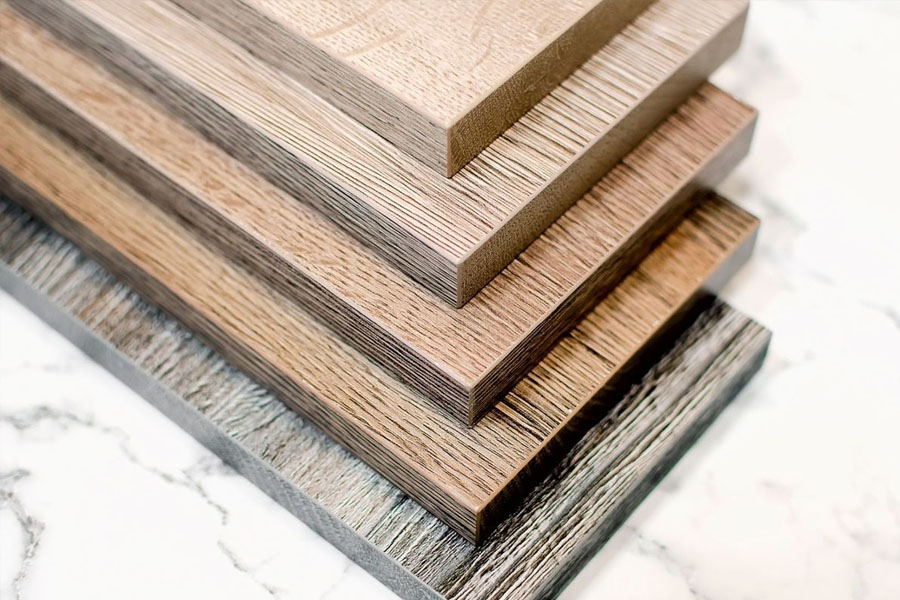
What Sets Engineered Wood Apart
At a glance, engineered wood looks every bit like the oak, walnut, or ash you fell in love with in a boutique showroom. The difference lives beneath the surface. Instead of one thick piece of hardwood, you get a real-wood wear layer bonded to a stable core—usually layers of plywood or high-density fiberboard—arranged so the grains crisscross for strength. The result is the warmth and texture of true timber, with a calmer, smarter backbone.
This layered approach is more than clever carpentry. It’s a quiet design revolution that treats precious hardwood as a surface you see and touch, while relying on fast-growing or recycled wood fibers for the unseen core. You still get natural grain, knots, and character—just delivered with less strain on forests and a lot more stability underfoot.
Sustainability, Layer by Layer
Sustainability isn’t a tagline here; it’s baked into the build.
- Maximized hardwood use: A thin wear layer stretches one tree much further than solid planks ever could, covering more rooms with the same amount of timber.
- Responsible sourcing: Look for wood from responsibly managed forests, signaled by third-party certifications that support biodiversity, replanting, and traceability.
- Smarter manufacturing: The core makes use of smaller offcuts and fibers that might otherwise be wasted, reducing material loss and, in many cases, energy input.
Because the wear layer is real wood, you keep the authentic look and feel, while the engineered core helps lower the product’s overall material footprint. Add modern curing methods and efficient milling, and the embodied carbon per square foot can be noticeably lower than many solid floors—especially when you factor in longer service life.
Built for Real Life
Homes shift with the seasons: dry in winter, humid in summer, bursts of heat from radiant systems, blasts of cold air from doors flung open. Engineered wood takes it all in stride. The cross-laminated core greatly reduces expansion and contraction, so boards stay flatter, seams tighter, and squeaks rarer.
- Underfloor heating’s best friend: Engineered planks are widely approved for radiant heat; most brands set surface temperatures below about 27°C and recommend slow heat-up cycles to keep movement gentle.
- Busy-household tough: Kids, pets, and dinner parties? Choose a balanced finish—hardwax oils highlight patina, while durable UV-cured coatings shrug off scuffs. If life leaves a mark, you can refinish many engineered floors to reset the clock.
- Climate-savvy: Typical indoor humidity targets—think roughly 40–60%—keep boards content, but the engineered core is simply less fussy than solid wood when life isn’t perfect.
Longevity is the heart of sustainability. A floor that looks good, behaves well, and can be refreshed instead of replaced is a floor that stays out of the landfill.
Style Without Compromise
You don’t have to choose between eco-smarts and character. Engineered wood arrives in a spectrum of looks—airy Scandinavian oaks, moody smoked tones, hand-scraped textures that catch morning light, and sleek, matte finishes that make a minimalist living room purr. Each plank carries its own topography of grain and knots, so your space never feels stamped out or synthetic.
Board formats make a difference, too. Wider, longer planks visually calm a space; herringbone and chevron patterns add movement and heritage charm. Because the surface is real wood, it ages with grace, gaining a subtle story of use rather than a tired look.
Healthier Indoor Air
Low-VOC adhesives and coatings improve indoor air quality and decrease chemical smells in modern engineered wood flooring. Many items must satisfy tight emission limitations, including composite core resin formaldehyde requirements. These things important if you’re sensitive to odours or designing a tight, energy-efficient home: experience that new-floor shine without a haze.
Installation and Everyday Care
Engineered floors are practical from the start. Traditional tongue-and-groove provides precise glue-down or staple-down installation, while click-fit systems install faster and cleaner with less adhesives. A good underlay reduces noise and smooths subfloor irregularities.
Maintenance is refreshingly simple:
- Sweep or vacuum with a soft head to nab grit before it scratches.
- Damp-mop with a pH-neutral, wood-safe cleaner—no soaking, no steam.
- Felt pads and rugs in high-traffic zones keep the finish looking fresh.
If scuffs eventually outpace the finish, refinish rather than replace. The number of potential sandings depends on the wear layer: a 2–3 mm veneer usually allows a light refinishing, while 4–6 mm can handle more robust sanding over its lifetime.
End-of-Life and Circular Thinking
Good floors tell long stories, and engineered wood is built for chapters. Offcuts can be repurposed for shelving or trims, and whole planks can be lifted and re-laid in new rooms. When a floor truly reaches the end, components may be reclaimed for panel projects or energy recovery, depending on local facilities. The most sustainable outcome, though, is always longevity—install once, live well, refinish as needed, and pass the beauty on.
Smart Specs to Know
A few insider details help you choose confidently:
- Wear layer thickness: Thicker veneers (4 mm and up) allow multiple refinishes for decades of life; thinner layers suit lighter-traffic spaces or lower budgets.
- Core construction: Multi-ply birch cores excel at stability; HDF cores deliver density and smoothness. Both can perform beautifully when engineered right.
- Finish type: Matte UV finishes hide micro-scratches; hardwax oils invite an organic, hand-rubbed feel and easier spot repair.
- Edge treatment: Micro-bevels soften lines and disguise tiny height variations; square edges make a tighter, monolithic look on ultra-flat subfloors.
- Moisture strategy: Kitchens and hallways are fair game; bathrooms demand careful sealing, bath mats, and quick spill cleanup. Full wet rooms still favor tile.
- Acclimation: Let planks rest in the space before installation so moisture equalizes and your first day with the floor is a good day.
Engineered wood is designed for real homes where coffee occasionally spills, pets skid around corners, and winter boots thump in from the cold. It’s the quiet confidence of a material that doesn’t just look stunning on move-in day—it keeps its composure in the years that follow.
FAQ
What exactly is engineered wood flooring?
It’s real hardwood on top of a layered, dimensionally stable core, giving you authentic wood aesthetics with improved stability.
Is engineered wood more sustainable than solid wood?
Often yes, because a thin wear layer stretches valuable hardwood farther while the core uses fast-growing or recycled fibers.
Can engineered wood be refinished?
Many products can be refinished; how many times depends on the wear layer thickness, typically ranging from one light refresh to several sandings.
Is it compatible with underfloor heating?
Yes, most engineered floors are ideal for radiant heat when you follow the manufacturer’s temperature and ramp-up guidelines.
Can I install it in a bathroom?
It can work in half-baths and careful primary baths with good ventilation and sealing, but it’s not for true wet-room conditions.
What should I look for in certifications?
Seek third-party forest and emissions certifications that indicate responsible sourcing and low indoor emissions.
How long does engineered wood flooring last?
With proper care and occasional refinishing, quality products can last several decades.
How do I clean it day to day?
Use a soft broom or vacuum and a damp (not wet) mop with a pH-neutral wood cleaner.
What’s the difference between engineered wood and laminate?
Engineered wood has a real wood surface; laminate uses a printed image layer over composite material.
Will pets ruin an engineered wood floor?
No floor is scratch-proof, but a tough finish, rugs in play zones, and trimmed nails make engineered wood a pet-friendly choice.
Do I need to acclimate the planks?
Yes, letting flooring sit in the space before installation helps stabilize moisture and minimize post-install movement.
What thickness should I choose?
Thicker wear layers (4–6 mm) offer more refinishing potential, while overall plank thickness affects feel, transitions, and sound.
Are the adhesives safe?
Many manufacturers use low-VOC, low-formaldehyde adhesives; check emissions ratings for peace of mind.
Can engineered wood be recycled?
Whole boards can often be reclaimed or repurposed; end-of-life recycling depends on local facilities and the product’s construction.