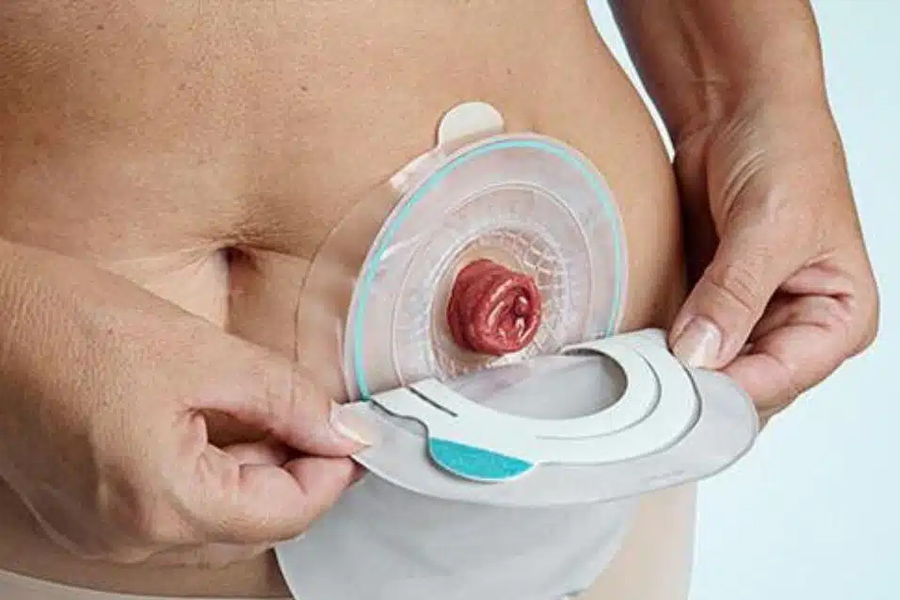
What a Colostomy Really Is
A colostomy is a surgical reroute, a clever detour that brings part of the large intestine to the surface of the abdomen to create a stoma. Through this opening, stool leaves the body into a discreet, purpose-built pouch.
Colostomies can result from colon cancer, diverticulitis, inflammatory bowel disease, accident, or congenital disorders. Sometimes it’s a healing break. When reconnecting the bowel, it can be permanent and unsafe. Both aim to safeguard health, restore function, and move you ahead.
Longevity: Does a Colostomy Change the Clock?
Short answer: no. A colostomy itself doesn’t shorten life expectancy. It’s not a disease; it’s a solution. Once the stoma heals and you’re comfortable with daily care, most people find their health stabilizes and their routines resume—with newfound confidence and fewer complications than before surgery.
What Actually Influences Life Expectancy
What determines longevity is the reason behind the colostomy and how that condition is managed.
- Cancer: Outcomes hinge on stage, treatment, and follow-up, not whether there’s a stoma.
- Trauma: After healing, most patients return to full, active lives.
- IBD: For many, a colostomy reduces flares and improves overall wellbeing.
- Older adults: Age and coexisting conditions shape prognosis far more than a stoma ever will.
In many cases, the colostomy extends life because it solves a problem that was putting life at risk.
Everyday Life, Reimagined
After the initial recovery, life begins to feel familiar again—work, gatherings, travel, workouts. People swim, hike, practice yoga, lift (with care), and socialize. Modern pouches are slim, odor-proof, and designed to vanish under clothes. Confidence grows as routine becomes second nature.
The Body Learns a New Rhythm
Activity gradually rises during six to eight weeks of healing. Your stoma’s timing, output, and calmness will be explained. With the correct pouching system and a few basic practices, leaks are infrequent, skin is pleasant, and your day is about everything but your ostomy.
Skin and Stoma Care, Simplified
Peristomal skin (stoma region) likes uniformity. The essentials include gentle washing, a properly fitted wafer or barrier ring, and no-sting protective coatings. Redness or itching is usually a fit issue, and a small adjustment or product swap can help. Consider it like finding the correct running shoe: once it fits, you forget it.
Food, Fluids, and Finding Your Balance
Most can consume a varied, satisfying diet. Chew well, gradually introduce high-fiber foods, and monitor your body’s response to gas-producing beans and fizzy drinks. Drink water throughout the day, especially if output is excessive. Reintroduce rich or spicy foods cautiously and understand your “green lights.”
Movement, Core Support, and Hernia Awareness
A parastomal hernia is a possible complication, but simple precautions go a long way. Avoid heavy lifting early on, focus on gentle, low-impact movement, and consider a supportive ostomy belt when you’re ready to push your workouts. Building core strength carefully—guided by a clinician if possible—lets you move freely and confidently without overtaxing the abdominal wall.
Work, Travel, and Play
Returning to work depends on the job and your pace of recovery, but many people restart within weeks or months. Travel is surprisingly easy: supplies pack down small, and security personnel are familiar with medical devices. For swimming, waterproof and low-profile pouches make beach days or laps at the pool feel effortless. Runners and gym-goers often wear supportive belts—not because they have to, but because it feels good.
Age, Stage, and Outlook
Younger patients have a normal lifespan and several exercise options. Well-being, fitness, and comorbidities drive longevity in middle-aged and older persons. Consistent care, sensible habits, and resilience when fear gives way to mastery endure across ages.
Emotional Terrain: From Uncertainty to Ease
The hardest aspect early on is emotional, not physical. Body image issues, leak fears, and feeling “different” are normal. Support from a stoma nurse, counsellor, or ostomate community helps most people learn. Once intimidating, the stoma becomes routine and vanishes into normal life.
Gear That Quietly Does Its Job
Today’s ostomy systems are engineered to be comfortable, discreet, and dependable. Finding your best fit may take a few tries: flat vs. convex wafers, barrier rings vs. paste, drainable vs. closed pouches. When the setup is right, you trust it—and that trust is everything. It’s the difference between planning life around your ostomy and letting your ostomy follow along, quietly.
Common Myths, Gently Debunked
- “A colostomy shortens life.” It doesn’t; the underlying condition and overall health do.
- “You can’t live normally.” You can—and most people do—returning to their full routines.
- “You’ll always need constant supervision.” Once you’ve learned your system, you’re independent.
- “Exercise and swimming are off-limits.” With modern gear and sensible precautions, they’re absolutely on the table.
Real-Life Portraits
You’ll find triathletes with stomas crossing finish lines, parents chasing toddlers at the park, travelers mapping new cities, and cancer survivors celebrating anniversaries decades after surgery. The thread that ties these stories together isn’t just survival—it’s vitality. A colostomy doesn’t cap potential; it removes the obstacles that kept it at bay.
FAQ
Does a colostomy reduce life expectancy?
No; the stoma itself doesn’t shorten lifespan, and outcomes hinge more on the underlying condition and overall health.
How long does healing take after surgery?
Most people feel significantly better within six to eight weeks, with strength and stamina continuing to build.
Can I swim with a colostomy?
Yes; modern pouches are waterproof and secure, so pools, beaches, and lakes are fair game.
Is travel safe and practical?
Absolutely; supplies pack easily, and airport security is accustomed to medical devices.
Will people notice the bag?
Pouches are low-profile and odor-proof; with the right clothing and setup, they’re virtually invisible.
Can I eat normally?
In most cases, yes; chew well, reintroduce fiber gradually, and note any personal trigger foods.
Do I need constant medical supervision?
No; periodic check-ins are helpful, but daily care becomes routine and independent.
Is a parastomal hernia inevitable?
No; mindful lifting, core support, and a healthy weight reduce risk significantly.
Can I return to my job?
Most people do, timing their return based on recovery, job demands, and comfort with their routine.
Will my colostomy be permanent?
It depends on why it was created; some are temporary for healing, while others are permanent for safety.