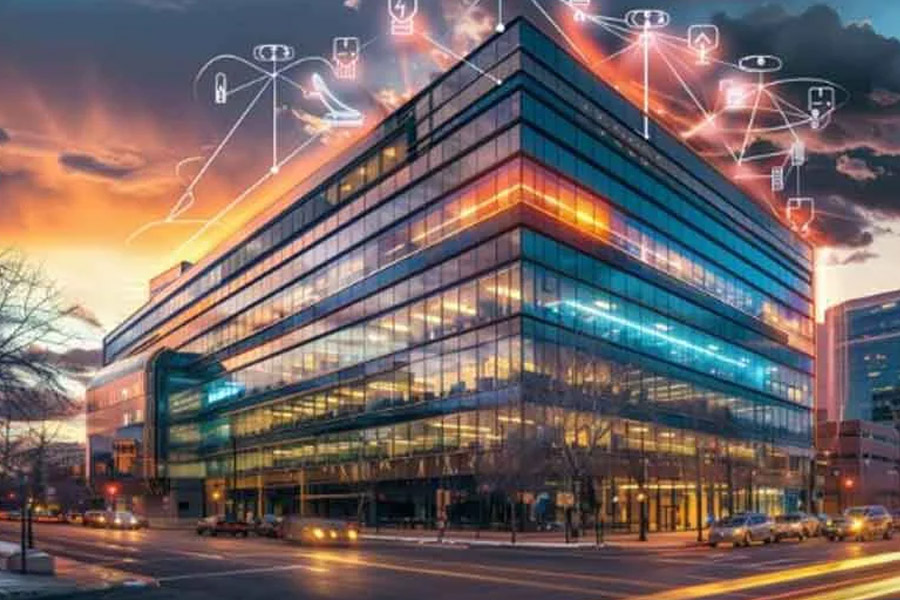
The Pulse Behind Modern Commercial Spaces
Step into a freshly minted office tower or a reinvented hotel lobby in Denver and you can feel it—air, light, and temperature settling into an effortless balance. It’s not luck or a happy accident. It’s design with a deep affection for systems, a behind-the-walls choreography where controls guide every watt and whisper of air with a steady, unseen hand. In one mid-rise, a maintenance supervisor once told me his new control setup trimmed power costs by nearly a third in under a year. That was the day I understood how a thoughtful energy map doesn’t just manage a building—it changes its daily rhythm.
If you’re starting from scratch, a reputable commercial electrician in Denver is often the best opening move. You need the electrical backbone to tie HVAC, lighting, and automation together. Without a solid foundation, even the smartest programming remains a beautiful theory.
Why Denver’s Climate and Codes Make Control a Must
Denver isn’t a “typical” city when it comes to sustainability and energy use. The mile-high elevation and swing-season climate make the HVAC grind real: brisk winters, sun-drenched summers, and shoulder months that can flip from chilly mornings to warm afternoons. Layer in local performance requirements and rising energy costs, and it’s no surprise building controls have become essential. Many commercial properties bleed value through small inefficiencies—fans that don’t need to run, lights that forget to dim, heat that fights sunlit glass at noon. The result is waste you can’t see until a smarter system points a spotlight at it.
What Building Controls Actually Do
Think of building controls—your building automation system—as the all-seeing eye at the center of your property. They knit HVAC, lighting, and security into one brain that watches, adjusts, and reports around the clock. They’re more conductor than cop, ushering machines into harmony with occupancy and weather. Sensors in a conference room notice when the crowd thins and trim the lights so power use drops without anyone lifting a finger. Minute tweaks, multiplied across hours and floors, become meaningful savings.
The bigger win? Real-time visibility. You see energy behavior as it happens, so you can manage it instead of reacting after the utility bill lands with a thud.
How the System Talks: Sensors, Controllers, and Software
Behind the scenes, sensors, controls, and software talk. Controllers use data from thermostats, humidity probes, occupancy, and air-quality sensors to adjust equipment to optimal settings. The platform tracks patterns, compares zones, and learns building cadences. Suites without guests have a softer temperature. After hours, hallway lights dim. In a packed training room, fresh air rises. No longer futuristic; it’s how well-run environments behave.
And because it all rides on a network, the orchestration happens fast. Heat pumps don’t overshoot, fans don’t hammer at full volume, and lighting feels intentional instead of blunt.
Benefits That Stack Up Over Time
Energy savings are the headline, but the supporting cast matters just as much. When equipment runs at its sweet spot, it lasts longer. Controls soften the mechanical stress that eats compressors and belts for breakfast. Repairs drop, uptime rises, and the lifecycle math finally favors the owner. Comfort takes a leap too—steadier temperatures, cleaner air, kinder light. People feel better, and productivity follows right behind.
For the spreadsheet folks: many retrofits see double-digit reductions in energy use, with paybacks measured in years, not decades. The returns grow when you pair efficient hardware with smart control logic and keep everything tuned.
Stories From the Field
A Cherry Creek property manager inherited a ’80s workplace with a goods train heat system. Even when few people were around, the burners raged. Gas use reduced nearly half after smart sensors and contemporary controls regulated it. The owner laughed: “It’s the first time this place felt alive.” When your building adjusts to the situation, every fan cycle and dimmed fixture resonates.
A centralised control dashboard changed a local university’s week. Staff started reviewing phone energy readouts after three months of falling electricity and gas numbers. They discovered lost night loads, tightened schedules, and made the university a self-learning lab.
A downtown mid-rise swapped fragmented thermostats for zone-level controls and stitched lighting into the same platform. The maintenance team watched demand spikes flatten and got alerts before comfort dipped. Energy spend moved down; complaints fell off a cliff.
Planning an Upgrade Without the Headaches
Start with an audit—walk the building, follow the air, listen for the giveaways. Where does heat fight sunlight? Which zones are always “too hot” or “too cold”? Are fans loud at odd hours? A knowledgeable contractor who speaks both automation and electrical is worth their weight in uptime. The wiring matters as much as the software. Get the backbone right and the controls can sing.
Don’t skip maintenance. Even the most elegant system drifts if left alone. Keep sensors calibrated, refresh schedules as tenants come and go, and apply software updates so algorithms don’t fall behind reality. The buildings that hold their savings over years are the ones that treat controls as living systems, not one-time installs.
The Next Wave: Predictive, Grid-Ready, and Human-Centered
The future is “anticipate and adapt.” Machine intelligence is already helping buildings predict occupancy trends, pre-cool before hot fronts, and quietly shave peaks. Controls are talking to utility grids to smooth demand using real-time load shifting. In Denver’s growing, weather-challenged energy sector, split-second decisions matter.
Picture your building as a good neighbor—using less when the city needs a breather, storing or shifting when it helps everyone. The tech is close, and the best platforms are already warming up to that future. Through it all, human comfort stays at the center: spaces that feel good, systems that don’t shout, dashboards that tell clear stories.
FAQ
What is a building automation system?
It’s the central control platform that connects HVAC, lighting, and other building systems to monitor, adjust, and optimize performance in real time.
How do controls save energy without sacrificing comfort?
They use sensors and smart logic to deliver just enough heating, cooling, and light based on actual occupancy and conditions, trimming waste while keeping spaces steady.
Are upgrades disruptive to daily operations?
Most retrofits can be phased floor by floor or zone by zone, with after-hours work to minimize downtime for tenants and staff.
How much can a typical commercial property save?
Many projects see double-digit percentage reductions in energy use, with payback periods commonly falling within a few years.
Do these systems improve occupant comfort?
Yes—controls reduce temperature swings, improve air quality, and tune lighting, which tends to boost satisfaction and productivity.
Who should install and commission the system?
A qualified commercial electrician and controls contractor working together ensures the electrical backbone and software logic align cleanly.
What kind of maintenance do controls need?
Regular sensor calibration, schedule updates, and software patches keep performance tight and prevent savings from eroding over time.
Can automation work with older buildings?
Absolutely—retrofits can add smart sensors and controllers to existing equipment, often unlocking significant efficiency gains without full replacements.