When a cold snap rolls in and you finally flip the thermostat from Cool to Heat, your furnace wakes from its long summer nap like an old movie projector—warm glow, a little dust, and sometimes an unexpected hiccup. Beyond the usual filter swap or thermostat nudge, a handful of uncommon, early-season problems love to surface in the first few weeks. Think heat exchanger stress cracks from thermal shock, control boards sulking after a humid summer, sticky gas valves, condensate drains gummed up by algae, tired blower capacitors, and flame sensors wearing a thin coat of oxidation. Know the tells, act early, and you’ll sidestep the “no heat tonight” drama.
Why Dormancy Breeds Odd Failures
Your furnace idles all summer. Dust settles. Electronics absorb moisture. Attic heat and basement air expand and contract metal parts, creating microscopic stress points. Bearings resist after relaxing. Autumn brings your system from idle to marathon—long first runs, greater temps, frequent cycling—revealing its weaker connections.
Heat Exchanger Stress Cracks
The heat exchanger is the beating heart of a gas furnace, and the first cold nights hit it like a sprint after months on the couch. Rapid temperature swings can widen hairline cracks left over from past seasons.
- What it looks like: Sharp metallic pops at startup, a harsh or chemical-like odor, or a carbon monoxide alarm that chirps at low levels.
- Why it matters: A cracked heat exchanger can leak combustion gases—including carbon monoxide—into the airstream.
If you suspect exchanger damage, shut the system down and call a pro immediately. This is not a wait-and-see problem.
Control Board Glitches After Humid Summers
Control boards are the conductor of the whole operation—ignition timing, blower speeds, safety checks. High humidity and temperature swings oxidize terminals and micro-components over summer, leading to maddeningly intermittent behavior once heating season begins.
- What it looks like: Random shutdowns, fan running without heat, non-responsive thermostat calls, odd or inconsistent error codes.
- The kicker: It might behave during a service visit, then fail that evening.
A seasoned tech can test connections, scan for bridged solder points or corrosion, and confirm if repair or replacement makes sense.
Sticking Gas Valves
Gas valves need to move precisely and reliably. After months of inactivity, a film of corrosion or dust can make them hesitate or stick.
- What it looks like: Repeated clicking from the furnace, delayed ignition, brief light-off then shutdown, or a faint gas smell if the valve stalls mid-cycle.
- Safety note: If you smell gas, cut power to the furnace, don’t cycle it on and off, and call for service.
Gas trains are not DIY territory; they’re calibrated for safety and require proper testing equipment.
Condensate Drain Blockages in High-Efficiency Furnaces
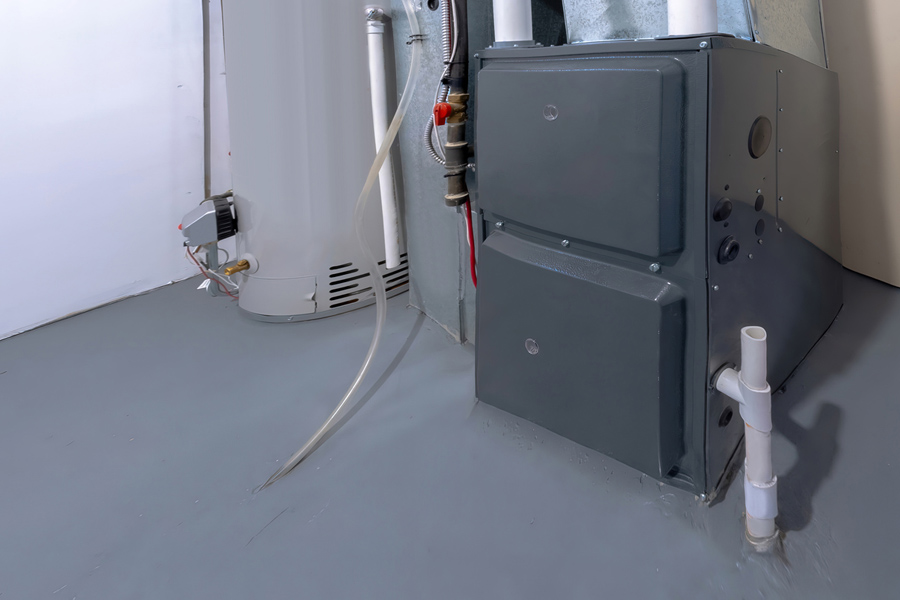
High-efficiency (condensing) furnaces wring extra heat from exhaust, which creates water. That water runs through a small drain system that can foster algae in warm months, then plug under heavy use.
- What it looks like: Water around the furnace, gurgling sounds, sudden shutdowns with drain or pressure switch error codes, or heat that cuts out after a few minutes.
- Quick DIY check: If you can safely access the drain line, a wet/dry vacuum on the outside termination can pull out sludge; a gentle flush with warm water or diluted vinegar helps discourage algae.
Always kill power before opening panels. If you see sensors, pumps, or float switches you’re unsure about, it’s time for a technician.
Tired Blower Capacitors
Capacitors are the jump-start for your blower motor. Heat and age wear them down, and the higher static pressure of heating mode can expose a capacitor that seemed “fine” during AC season.
- What it looks like: Motor hums but doesn’t start, sluggish spin-up, weaker-than-usual airflow, or a blower that overheats and trips off.
- Why it’s tricky: A failing capacitor can also stress the blower motor, turning a small problem into a bigger one.
Replacing capacitors is routine for pros and often restores crisp, reliable airflow.
Flame Sensor Oxidation
The flame sensor’s job is simple: verify flame or shut off gas. Oxidation insulates the sensor, making it blind to a perfectly good flame.
- What it looks like: Burner lights, runs a few seconds, then shuts off—repeating two or three times before lockout.
- Light DIY: With gas and power off, a careful cleaning of the sensor’s metal rod using a non-abrasive pad can restore function. Avoid sandpaper that gouges the surface.
If short cycling persists, look beyond the sensor—weak ground, low microamp signal, or dirty burners can mimic the same symptom.
Early-Season Red Flags You Shouldn’t Ignore
- New metallic pops, bangs, or grinding that wasn’t there last year
- Odd odors: chemical, acrid, or persistent burnt dust beyond the first hour of use
- Intermittent heating that appears “random,” especially after long run times
- Water near the furnace cabinet or dampness around electrical components
- CO detector alarms or unexplained headaches, nausea, or fatigue during furnace operation
A Quick Pre-Season Playbook
- Run two or three test cycles on a mild day before you truly need heat.
- Replace or clean the filter, open supply registers, and clear return grills.
- Peek at the condensate line if you have a high-efficiency unit; ensure the tubing isn’t kinked and the trap has no obvious buildup.
- Keep the furnace area dry and uncluttered to limit corrosion and airflow restrictions.
- Note any weird behavior and when it happens—startup, mid-cycle, long runs—so a tech can zero in fast.
When to Call a Professional
- You smell gas or hear repeated, unsuccessful ignition attempts.
- Your carbon monoxide alarm goes off, even once.
- You see water near electrical components or suspect a blocked condensate system you can’t clear.
- The system short cycles, locks out, or throws persistent error codes.
- You suspect a cracked heat exchanger or have new, sharp popping/banging linked to burner operation.
Time matters here: early fixes prevent cascade failures, and documentation (photos, error codes, timing) helps technicians diagnose intermittent gremlins quickly.
FAQ
Why does my furnace behave fine one day and fail the next in early season?
Borderline parts—like control boards, sensors, and capacitors—can work until temperature, humidity, or run time pushes them over the edge.
Will frequent filter changes prevent these odd early-season issues?
Filters help airflow and efficiency, but they won’t stop heat exchanger cracks, board corrosion, or valve sticking.
How do I know when to skip DIY and call a pro?
If gas, carbon monoxide, or live electrical parts are involved—or the furnace locks out repeatedly—leave it to a licensed technician.
Should I run the furnace a bit during summer to keep parts limber?
Monthly test runs can reduce sticking, but they won’t prevent humidity-related electronics issues or normal component aging.
Why do these failures show up in the first month specifically?
Dormant components face sudden heat, long cycles, and seasonal humidity shifts, revealing weaknesses that went unnoticed all summer.