Basic Information
| Field | Details |
|---|---|
| Full name | Georgia Ethelia Cohan (also styled as Georgia Ethelia Cohan Southern Rowse) |
| Stage name | Georgette Cohan |
| Born | August 26, 1900 |
| Died | October 26, 1988 |
| Parents | George M. Cohan (father), Ethel Levey (mother) |
| Half-siblings | Mary Cohan, Helen Cohan, George M. Cohan Jr. |
| Close relatives | Aunt: Josephine “Josie” Cohan (later Niblo) |
| Occupation | Stage actress |
| Active years | 1919–1930s |
| Notable roles | Peter Pan (London, 1919); Broadway in the 1920s–1930s |
| Marriages | J. William Souther/Southern (m. 1921; widowed 1925); William Hamilton Rowse (m. 1926; later divorced) |
| Also known as | Georgette Souther/Southern; Georgette Rowse |
| Education/upbringing | Raised in theatrical circles; lived in England; attended boarding school in France |
Early Life and Theatrical Inheritance
American popular theatre was shaped by Georgette Cohan’s family. Her mother, Ethel Levey, was a famous musical-comedy performer, while her father, George M. Cohan, was a Broadway powerhouse composer, lyricist, actor, and producer. Georgette, the daughter of two stage lights, grew up between footlights and family.
Her upbringing was in England and the US, with a French boarding school advancing her global vision. Her aunt Josephine “Josie” Cohan, a member of the Four Cohans and eventually the wife of director Fred Niblo, framed Georgette’s world with show business enchantment at family gatherings, which were both salon and rehearsal room. Georgette saw the family business of theatre as a language to learn, not a legacy.
London Spotlight: Taking Flight as Peter Pan (1919)
Georgette played Peter Pan in London at 19 in 1919, launching her career. It was a promise and an announcement: she could play a title role and lead across the Atlantic. Period reviews and playbills show a poised actor who balanced youth and stage discipline.
Her London time went beyond Neverland. She toured in British shows and worked with prominent actors, such as Leslie Howard in Mr. Pim Passes By. Georgette moved with a Cohan-like professional surety—direct, agile, and audience-focused—in an era when international jobs demanded stamina and ship-bound logistics.
Broadway Chapters: 1922–1930
By the early 1920s, Georgette had returned to the United States, her British credentials burnished and her ambition steady. On Broadway she appeared in plays that reflect both her family lineage and her own taste for classical and contemporary material.
- She appeared in Madeleine and the Movies (1922), a play associated with her father’s prolific dramatic output.
- She featured in Diplomacy (1928), a revival of a tried-and-true property favored by Broadway audiences for its intrigue and elegance.
- In 1930, she played in The Rivals, Richard Brinsley Sheridan’s sparkling 18th-century comedy, bringing a classical accent to a modern stage.
Georgette’s Broadway path was neither an overhyped vanity showcase nor a minor cameo career. It was a steady, visible series of roles that marked her as capable, versatile, and committed—one foot in revival classics, the other in new or retooled works nurtured by the Cohan orbit.
Selected Stage Credits (Highlights)
| Year | Production | Location | Role/Notes |
|---|---|---|---|
| 1919 | Peter Pan | London (New Theatre) | Title role |
| 1919–1921 | Mr. Pim Passes By | U.K. tour | With Leslie Howard |
| 1922 | Madeleine and the Movies | Broadway | Associated with the Cohan repertoire |
| 1928 | Diplomacy | Broadway | Revival |
| 1930 | The Rivals | Broadway | Revival of Sheridan’s comedy |
Marriages, Names, and the Society Pages
Because society columns liked a theatre heiress, Georgette’s private life was as public as her stage bows. Her and J eloped in 1921. William Souther, spelt Southern in records, died in 1925, ending his marriage. The loss was sudden and public. She married New York perfumer and importer William Hamilton Rowse in 1926 and divorced later. These name changes—Georgette Souther/Southern and Georgette Rowse—marked different stages of her life.
A Family Constellation
Georgette’s family tree traces early 20th-century entertainment. Her mother, Ethel Levey, was a famous performer who married pioneering aviator Claude Grahame-White. Her father, George M. Cohan, was known as “the man who owned Broadway.” Her half-siblings—Mary, Helen, and George M. Cohan Jr., children of her father and his second wife, Agnes Nolan—kept the Cohan name on marquees when the family act ended, with Mary managing and revising her father’s musicals. Aunt Josie Cohan, a vaudeville star married to Fred Niblo, connected the family to stage and film.
It’s impossible to narrate Georgette’s life without that orbit: she is both daughter and artist, both beneficiary and bearer of a legacy. Yet her credits reveal a performer who sought to be measured by roles, not only by lineage.
Images, Archives, and Afterglow
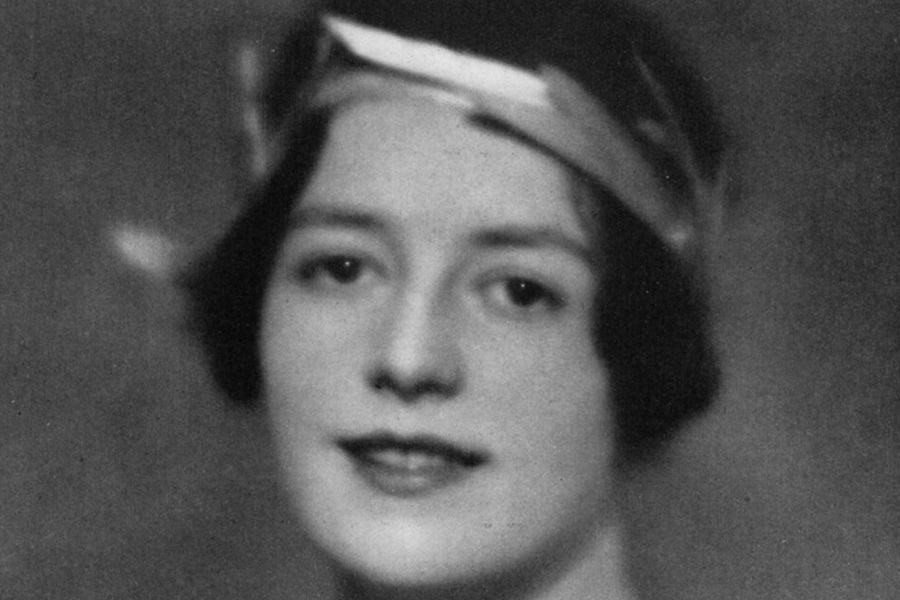
Studio photos by famous photographers, production images from Georgette Cohan’s Peter Pan success, and albums of family and theatre ephemera reflect her career. Modern eyes first see her proud chin, young gravity, and weightless elegance like a Peter Pan who convinces you she can fly without wires.
Georgette retired to a peaceful life in the 20th century, with occasional public reports of reunions, revivals, and family milestones. In 1988, she died. The stage’s exquisite silhouette is bright, disciplined, and theatrical.
Selected Timeline
| Date | Age | Event |
|---|---|---|
| Aug 26, 1900 | 0 | Born Georgia Ethelia Cohan |
| 1910s | 10–18 | Lives in England; boarding school in France; theatrical training and portraits |
| 1919 | 19 | London debut; stars as Peter Pan |
| 1919–1921 | 19–21 | Tours in U.K. productions; appears in Mr. Pim Passes By with Leslie Howard |
| 1921 | 21 | Elopes with J. William Souther/Southern |
| 1922 | 22 | Broadway: Madeleine and the Movies |
| 1925 | 25 | Widowed upon Souther/Southern’s death |
| 1926 | 25–26 | Marries William Hamilton Rowse |
| 1928 | 28 | Broadway: Diplomacy (revival) |
| 1930 | 30 | Broadway: The Rivals (revival) |
| Oct 26, 1988 | 88 | Dies at age 88 |
Why Georgette Cohan Matters
Since she embodied legacy and merit. Georgette created a resume, crossed oceans, and won a title role—theater’s equivalent of tightrope balancing without a net. Many heirs fall into footnotes. Her 1919 London Peter Pan represents a young woman who convinced the city that the sky was her stage.
Because she enriches our Cohan portrait. The public remembers George M. Cohan as a unique force, but his family was a choir and Georgette’s voice was clear and bright. She shows the quiet durability of craft—learning lines, preparing scenes, and carrying the show onstage.
Because she reminds us that preservation is a performance. The photographs, playbills, and scrapbooks do not merely document—they reanimate a working life. In those images, she is perpetually seventeen and nineteen and twenty-two, perpetually taking the stage, perpetually just about to fly.
FAQ
Who were Georgette Cohan’s parents?
She was the daughter of Broadway legend George M. Cohan and musical-comedy star Ethel Levey.
What was Georgette Cohan best known for?
She was best known for playing Peter Pan in London in 1919 and for acting on Broadway in the 1920s and 1930s.
Did Georgette Cohan perform outside the United States?
Yes, she began her stage career in the United Kingdom, with a notable London run and touring appearances.
Why do some records list her as Souther, Southern, or Rowse?
Those are married names from her unions with J. William Souther/Southern and William Hamilton Rowse.
Did she act in films?
She was primarily a stage actress, with public records and credits centered on theatrical productions.
Are there photographs of her available to the public?
Yes, she appears in numerous portrait and theatrical photo collections by well-known studios and in major archives.
Was her wealth or net worth publicly documented?
No, detailed personal financial information about her has not been publicly documented.