Basic Information
| Field | Details |
|---|---|
| Full Name | Chrodbert I (also Chrodebert, Chrotbert, Radobertus, Robert I) |
| Lifespan | c. 600–695 |
| Origin | Neustria (in modern northern France), with ties to Hesbaye |
| Principal Titles | Referendary (from 630; active 660–695), Mayor of the Palace of Burgundy (642–662), Bishop of Tours (660–695), Count Palatine (recorded 678) |
| Family | Father: Charibert of Hesbaye; Mother: Wulfgurd; Brothers: Erlebert, Aldebert; Spouse: Theodrade; Children: Lambert of Hesbaye; Saint Angadrisma (traditionally, debated); possible additional sons (e.g., Grimbert, debated) |
| Dynasty Links | Associated with the early Robertian ancestry; possible but debated ties to Merovingian royalty |
| Regions of Activity | Neustria, Burgundy, Tours |
| Notable Themes | Blending secular governance with ecclesiastical authority; court factional politics; long tenure in office |
| Death | 695 |
Origins and Lineage
Chrodbert I entered Merovingian Francia as royal and aristocratic authority were merging. He was the eldest son of Charibert of Hesbaye and Wulfgurd, a noble Frankish lineage, and was likely born around 600 in Neustria. Several reconstructions place him among the offspring or near-kin of former Merovingian monarchs, including Charibert I and Chlothar I. In the fog of early mediaeval record-keeping, these statements seem plausible but rarely supported by contemporary data.
His family network was robust. Two brothers, Erlebert and Aldebert, appear as fellow nobles of Neustria, and his marriage to Theodrade (also styled Théoda or Theodora) likely sealed valuable alliances within regional aristocracy. Through his son Lambert of Hesbaye and reputed daughter Saint Angadrisma, later generations traced lines that feed into the Robertian and, ultimately, Capetian story. Whether direct or collateral, Chrodbert sits at a nodal point—an ancestor invoked by genealogists when mapping the slow pivot from Merovingian to Carolingian and Robertian worlds.
Career in the Royal Court
In 630, Chrodbert becomes a referendary in Dagobert I’s court, contributing to royal decision-making. The referendary draughted and authenticated diplomas, advised on law and petitions, and connected the king’s desire to governance. Some documents list him as referendary from 660 to 695, indicating a long service arc that survived Dagobert’s death.
His reach grew. Between 642 to 662, Chrodbert was Mayor of the Palace of Burgundy, which may overshadow a king’s regional authority in the seventh century. The mayor oversaw administration, military duties, and, vitally, monarch access. He opposes the strong mayor Erchinoald at Clovis II’s court in 654, revealing the factional battles between aristocratic houses and court parties. Chrodbert became Count Palatine on October 2, 678, ending his long career as a senior court official, subsequently called chancellor.
His political environment was severe. Ebroin’s harsh rule in Neustria and battles with Leodegar tested loyalties and forged reputations. Chrodbert’s alignment appears to have favoured strong administration, protecting royal and mayoral interests against rivals, and using the court’s tools to stabilise the realm—an unglamorous but vital power.
Ecclesiastical Authority
Chrodbert was bishop of Tours, one of Gaul’s most venerated dioceses, from 660 until his death in 695. Bishops ruled large estates, administered canon courts, and patronaged in the seventh century. The bishopric gave a noble versed in royal service sanctuary and stage to create policy and communities from the pulpit and council chamber.
With the Saint Martin religion and pilgrim traffic, tours brought resources and status. The rare but not exceptional pairing of bishop and high court official in Merovingian circles shows the era’s blurred sacred-secular lines. Chrodbert, bearing two crowns—governance and grace—led the early mediaeval synthesis of power through decades of uncertainty.
Family and Personal Relationships
Complex familial mosaic around Chrodbert. His father, Neustrian noble Charibert of Hesbaye, died before 635, and his mother, Wulfgurd, is unknown, possibly aristocratic. Family fortunes rose with court favour, according to brothers Erlebert and Aldebert.
His wife, Theodrade, symbolises Frankish marriage’s alliance-making. The union produced Lambert of Hesbaye (c. 635–650 to before 741) and Saint Angadrisma (c. 617–695), a noblewoman-turned-abbess with a story of leprosy, vow, and miraculous cure. Various accounts list Grimbert, sometimes Count Palatine, as sons or grandsons; details are debated.
This web of verified and likely links reveals how aristocratic families influenced royal courts and episcopal sees. It also explains why later mediaeval genealogists, seeking fundamental narratives, placed Chrodbert near the root of kingly lines.
Key Roles and Tenures
| Role | Region | Tenure | Notes |
|---|---|---|---|
| Referendary to Dagobert I | Neustria | Appointed 630; active 660–695 | Senior legal-administrative advisor; authenticated royal acts |
| Mayor of the Palace | Burgundy | 642–662 | Oversaw regional administration and access to the king |
| Bishop of Tours | Tours (Neustria) | 660–695 | Managed church lands, patronage, and local justice |
| Count Palatine | Neustria | Noted 2 Oct 678 | High-ranking court official at the palatial center |
Extended Timeline
| Year/Period | Event | Context |
|---|---|---|
| c. 600 | Birth in Neustria | Noble Frankish milieu; probable eldest of three brothers |
| 630 | Referendary to Dagobert I | Entry into royal governance; legal and administrative authority |
| 642–662 | Mayor of the Palace of Burgundy | Regional governance at the height of mayoral power |
| 654 | Opposition to Erchinoald | Factional struggle at Clovis II’s court |
| c. 660 | Bishop of Tours | Assumes ecclesiastical office while retaining court influence |
| 2 Oct 678 | Count Palatine | Peak court status noted in late Merovingian phase |
| 695 | Death | End of a long tenure spanning court and church |
Legacy and Uncertainties
Chrodbert I’s legacy is the power structure he helped maintain, not a single event. He managed fiscal and legal affairs, bridged the palace and pulpit, and provided stability during kingless and mayored periods. He is listed in genealogies for centuries as a Robertian ancestor and occasionally brazenly related to Merovingian nobility.
Uncertainties persist. Direct succession from kings like Chlothar I is plausible but untested; most of what is alleged is based on later collections rather than contemporary charters. No portrait survived, only office and alliance outlines. Memory in the early mediaeval world is a palimpsest of names and relationships, the ink never dry.
FAQ
Who was Chrodbert I?
A seventh-century Frankish noble and court official who also served as Bishop of Tours, active c. 630–695 in Neustria and Burgundy.
What offices did he hold?
He was referendary, Mayor of the Palace of Burgundy (642–662), Bishop of Tours (660–695), and noted as Count Palatine in 678.
Was he related to the Merovingian kings?
Possible ties are often proposed, but direct descent claims are debated due to limited contemporary evidence.
Where was he born?
Likely in Neustria around the year 600, with family connections to Hesbaye.
Who were his parents?
Tradition names Charibert of Hesbaye as his father and Wulfgurd as his mother.
Did he have children?
Lambert of Hesbaye is commonly listed; Saint Angadrisma is traditionally included, though details are debated.
What was a referendary?
A senior court officer who drafted, authenticated, and advised on royal documents and legal matters.
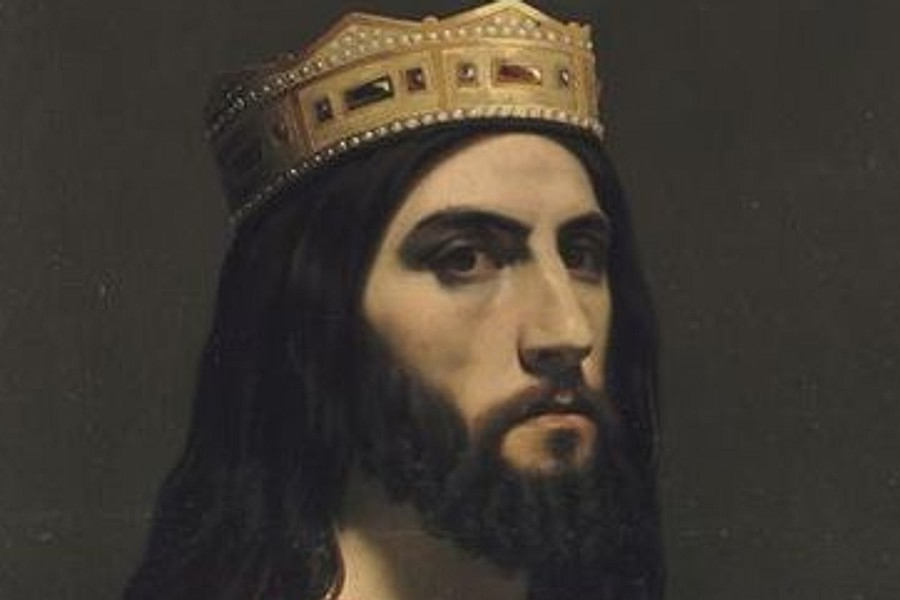
Is there any image of Chrodbert I?
No contemporary image survives; depictions of the era are generic and not personal portraits.
Why is his genealogy contested?
Sparse primary sources and later medieval reconstructions create ambiguity about exact family links.
What made his career unusual?
He straddled both secular and ecclesiastical power, serving long tenures in the palace while holding a major bishopric.