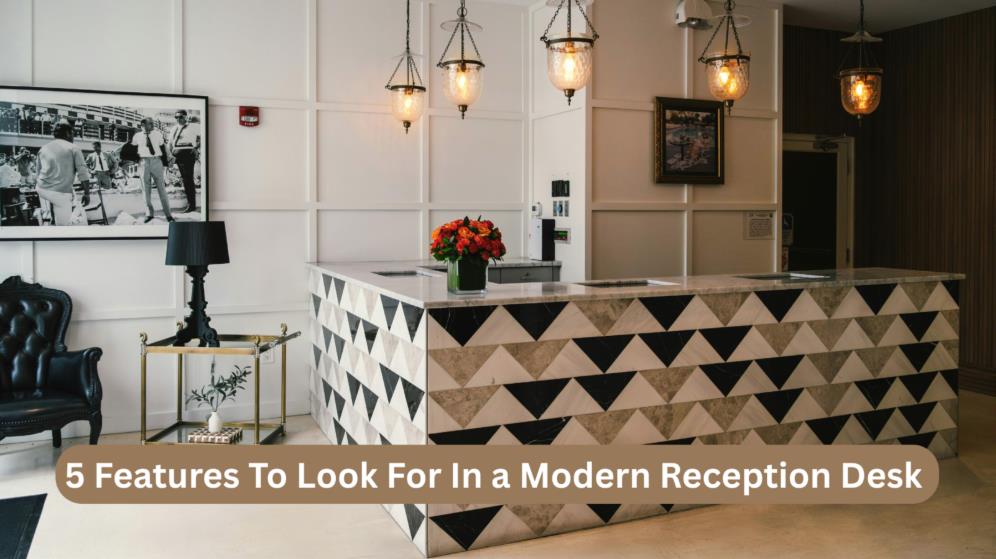
Entering a reception space that is cramped, cluttered, or outdated makes visitors feel uncomfortable and makes the work of front desk personnel more difficult. The reception desk deserves an entrance space that welcomes guests with clarity, comfort, and efficiency. The key to transforming that initial impression of uncertainty into excellence is selecting the correct reception desk. The one that considers both real human needs and workspace science.
In this article, we will take a look at the five key features of a reception desk that meet modern standards. By the end, you will understand how innovative design can balance aesthetics, functionality, and human comfort. The correct knowledge will help you select a desk that works for people and reflects your values.
1. Smart Space Planning
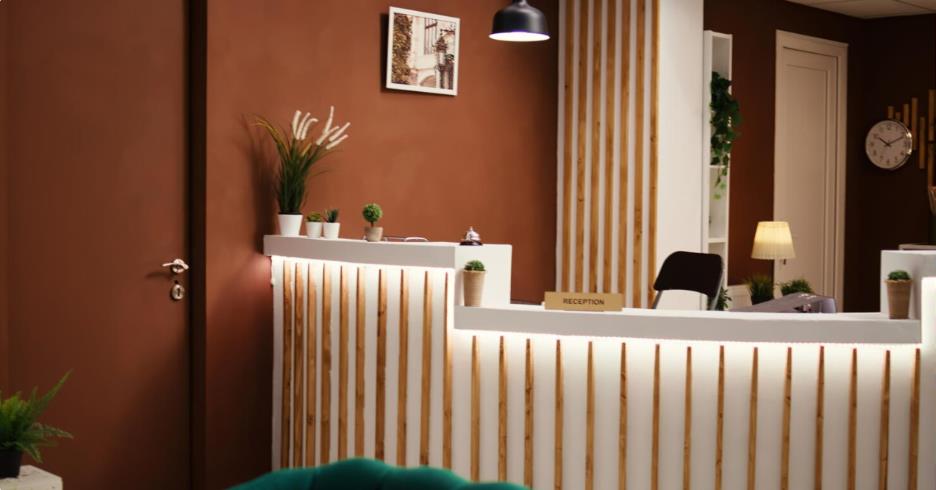
Space planning commences with knowledge of workflow and movement. The modern reception desk must be staff-oriented, allowing for the comfortable use of a computer and some other paperwork. It should also be welcoming to the visitors and provide them with the opportunity to approach the desk without disrupting other routes.
That said, an ergonomically planned desk usually incorporates built-in storage, clear counter areas, and space below the desk to allow staff to have sufficient legroom.
In fact, research on office and workspace ergonomics underscores how layout influences comfort and performance; not only does a well-designed layout reduce physical strain, but it also boosts overall efficiency.
When choosing a reception desk, it is important to note the proportions and storage size to fit the footprint of your space. In addition, make sure there are clear passages around the desk. Planning with intention reduces clutter, supports smooth operations, and improves first impressions.
2. Integrated Technology Support
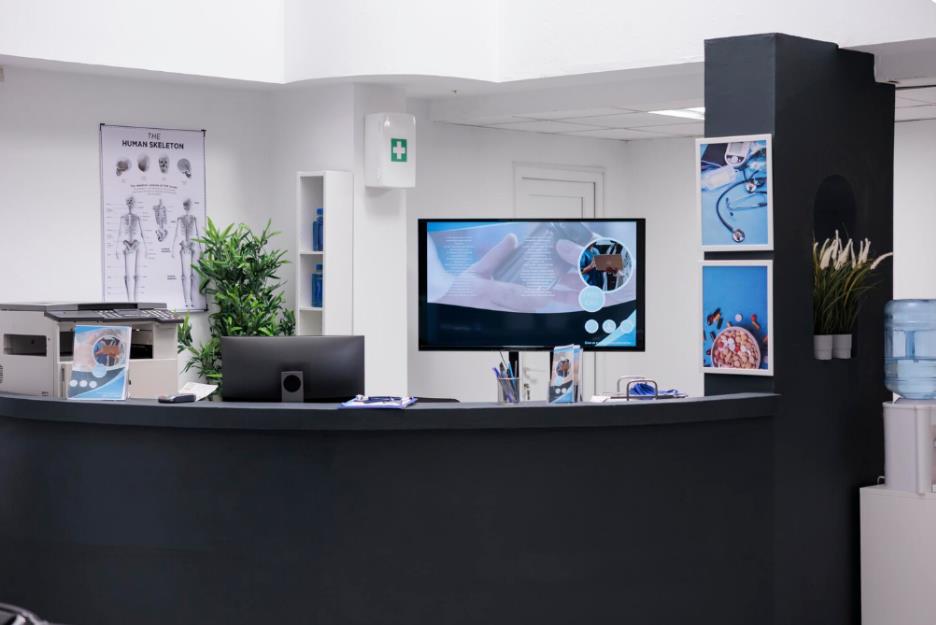
Modern offices are turning more and more digital with computers, visitor-management tablets, chargers, printers, and check-in screens. These are becoming essential parts of the office, and thus, the desks in the reception area should have these digital devices without compromising comfort and appearance.
A desk equipped with an inbuilt cable-management system and power sockets will ensure that the office is clean and will avoid the ergonomic hazards that come with the tangle of cords.
A review of furniture ergonomics found that well-designed desks can improve comfort, support healthier posture, and reduce the risk of musculoskeletal problems. In short, the furniture that serves physical and digital needs assists in developing a more comfortable and productive workspace.
Before you buy a reception desk, list all the technological devices your employees use on a regular basis. Then choose a design that accommodates those devices while preserving sufficient workspace for reception tasks and meaningful interaction with visitors.
3. Durable, High-Quality Materials

Reception desks are high-traffic furniture pieces. They should be able to survive daily use, occasional bumps and spills, and frequent cleaning. This is why material choice is important. Identify high-pressure laminate, engineered wood, metal accents, or composite surface finishes – high-resistance to scratching, staining, and moisture.
In addition to its durability, carefully selected materials help to create a sense of comfort, security, and a professional image. A study of interior design correlates with the quality of materials, lighting, and space with the satisfaction and well-being of occupants in office areas.
Selecting a desk made of robust materials helps ensure long-term value and sustained positive impressions. A sturdy, clean-looking surface signals care and reliability to every visitor.
4. Human-Centered Design & Comfort

A reception desk not only has to look good, but it must feel good to use. The decisions about desk height, depth, legroom, and accessibility should be guided by ergonomics and human-centered design to accommodate both staff and guests. Flexible furniture design, including adjustable surfaces or modular components, allows the desk to adapt to different tasks or users.
Further, occupants are more satisfied and productive when they are physically comfortable. In a service-organization study, it was determined that a carefully designed interior environment, such as layout, materials, lighting, and sensory considerations, has a major impact on the happiness of the employees.
In assessing the desks, seat one of your typical reception staff in front as a test. Check whether their posture feels natural, whether their equipment is within reach, and whether their movement is unobstructed. If possible, include accessibility features to make the desk welcoming for people with different needs.
5.Aesthetic Harmony & Branding Alignment
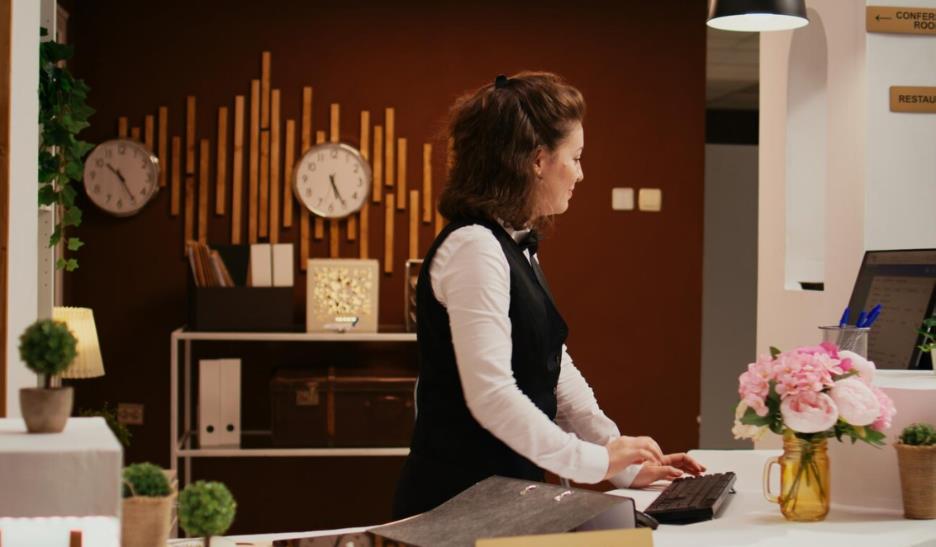
In addition to functionality, the reception desk contributes to the overall vibe of your office and, hence, your brand identity. A well-designed desk that is aligned to your interior design, color palette, and branding sends a cohesive message about your values.
Studies on work climate have indicated that well-designed interiors have brought comfort, satisfaction, and connectedness to occupants.
When selecting a desk, consider the larger context: will it blend with your walls, lighting, signage, and décor? The desk that feels like it belongs in your room makes visitors believe and feel more about your organization.
Conclusion
Reception desks are not just furniture, but they determine the experience of your visitors, the comfort of staff, and your brand’s first impression. By prioritizing careful space planning, built-in technology support, high-quality, long-lasting material, ergonomic human-related, and aesthetic alignment, you have pre-set a reception area that is working as hard as you.
Before selecting or upgrading your desk, run a quick check against these five features: workflow efficiency, tech readiness, material resilience, user comfort, and design harmony. Making a wise decision is not only functional, but also considerate. It will transform everything about the perception of your space.